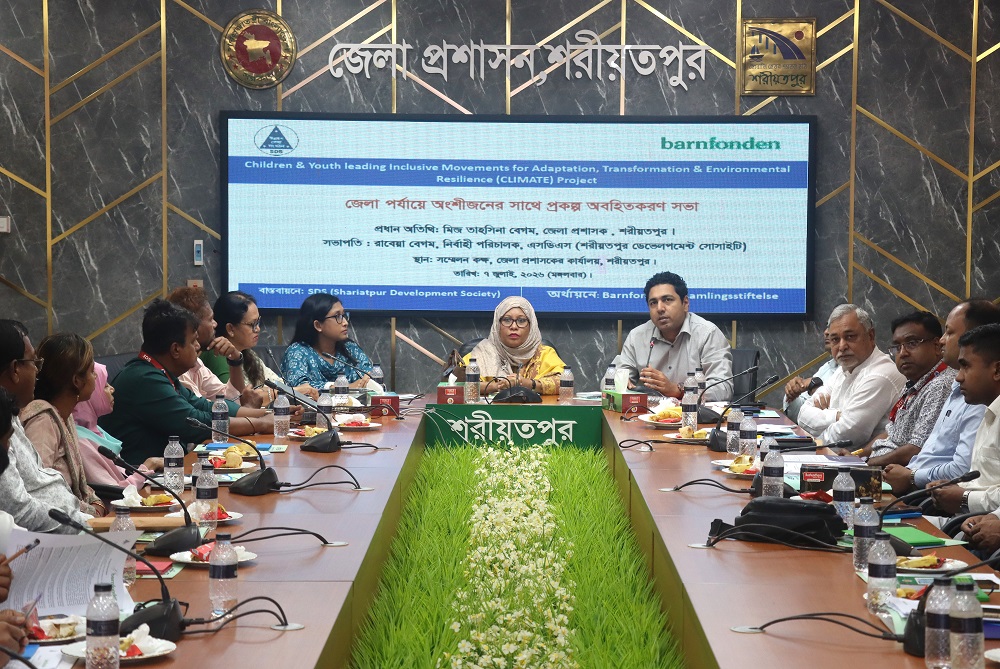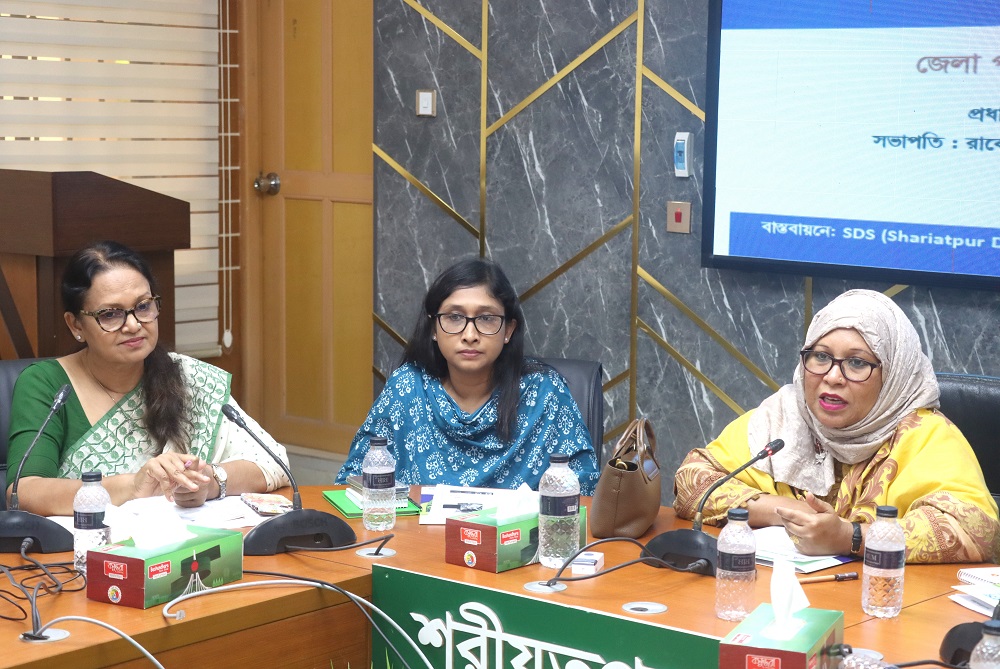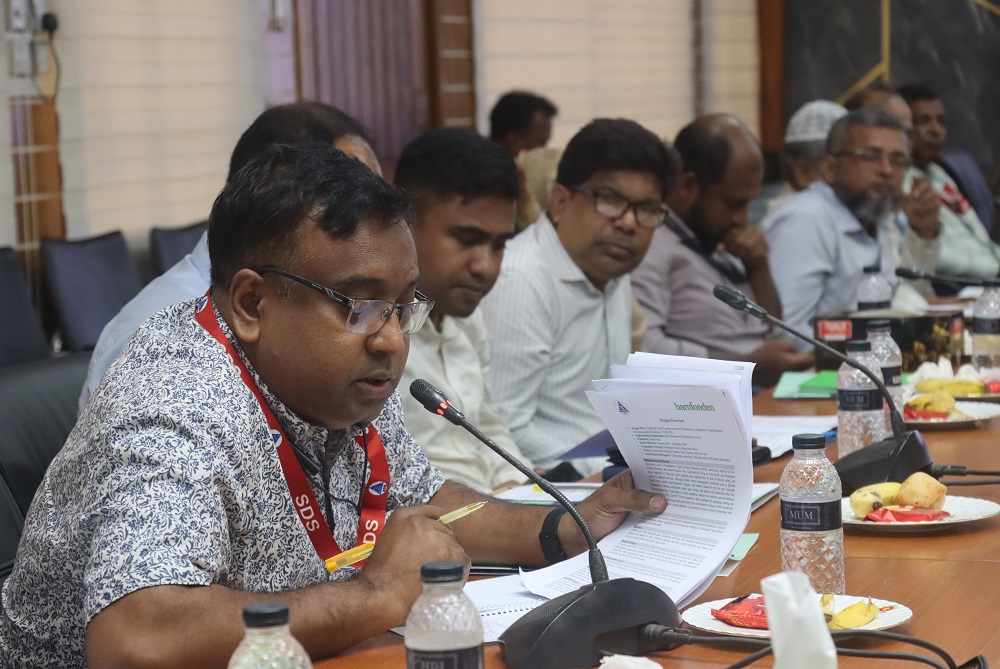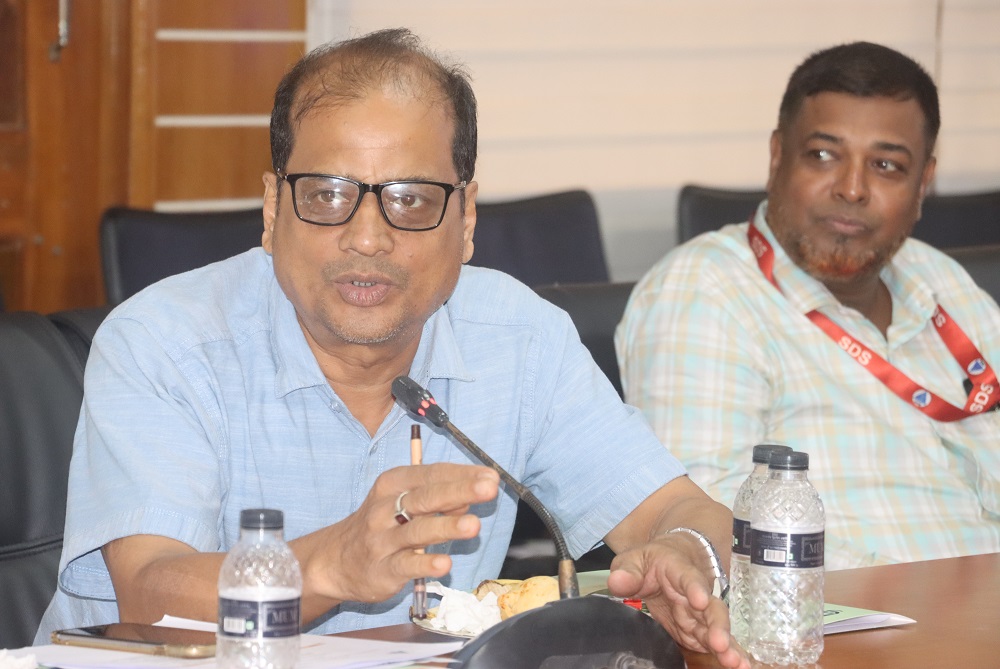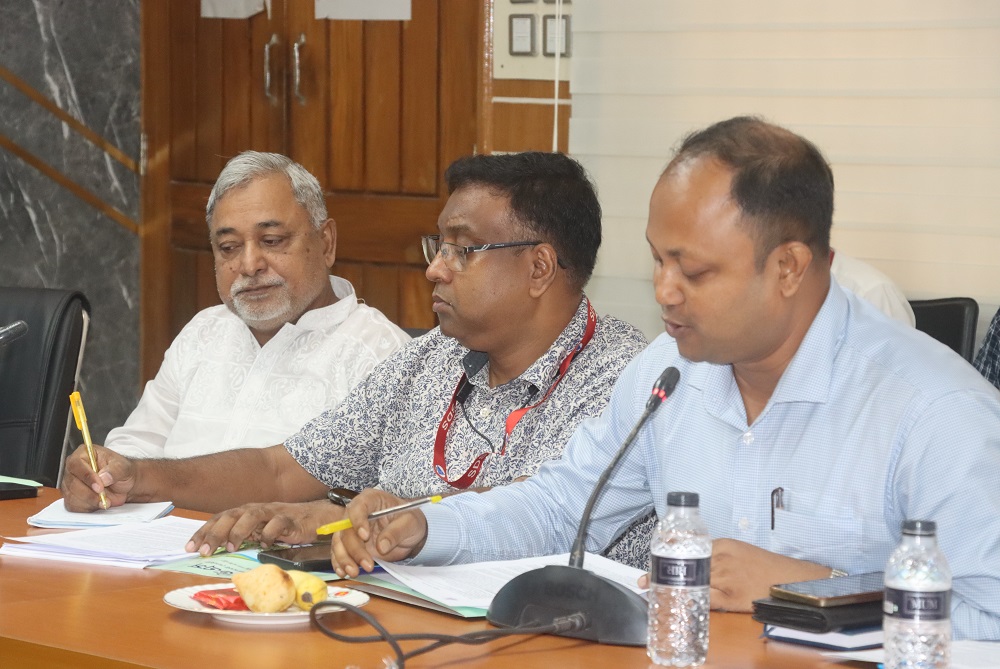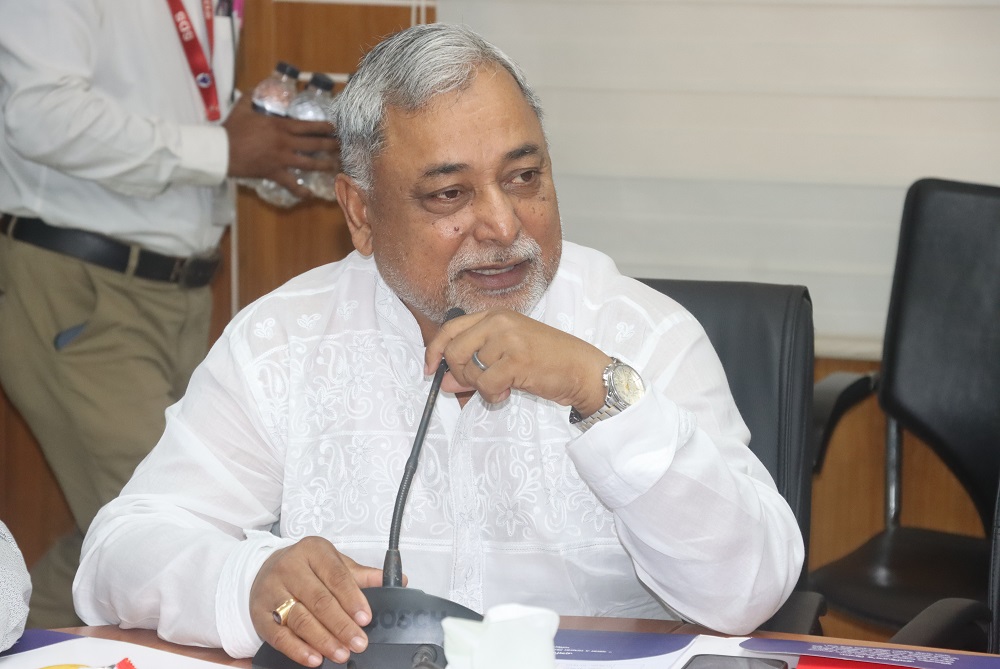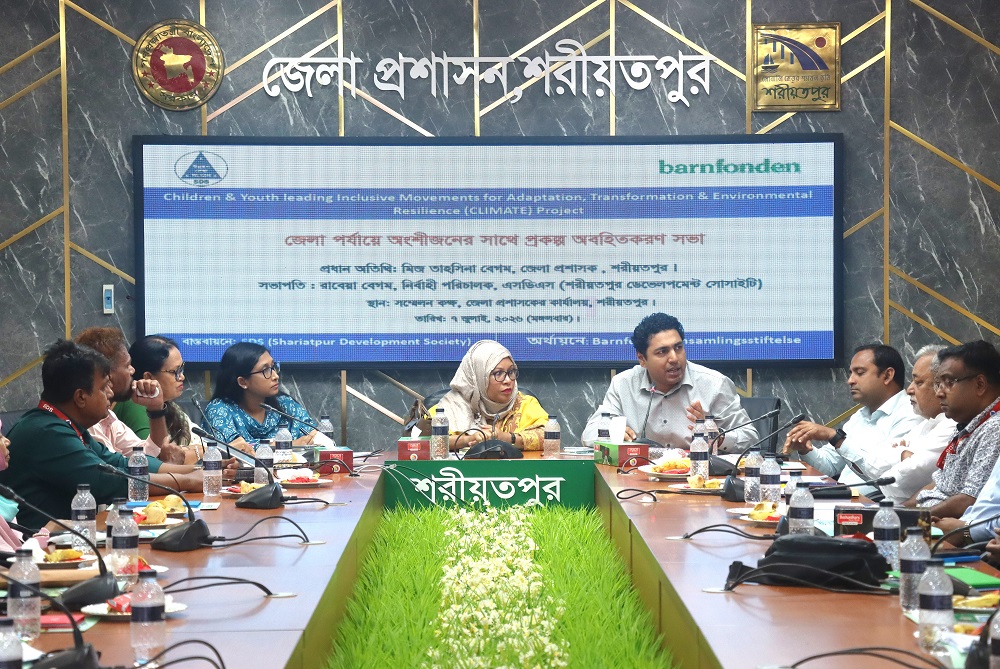
Project Name: Children & Youth Leading Inclusive Movements for Adaptation, Transformation & Environmental Resilience (CLIMATE)
Project Objective: • Children, youth, communities and CSOs have improved knowledge and leadership by accessing high-quality climate, biodiversity, environmental education and disaster management.
• Children, youth, communities and CSOs engage in inclusive, rights-based climate and environmental advocacy and strengthen community-based, child centered and youth-led climate adaptation and DRR systems.
• Communities strengthen their resilience and preparedness by adopting climate-smart livelihoods, green skills, and anticipatory adaptation measures that reduce climate risks.
• SDS has strengthened organizational systems, practices and capacities to effectively plan, implement, safeguard and monitor inclusive, child- and youth-centred climate adaptation and resilience interventions.
Project Goal: To empower youth and children, especially girls, adolescents, and persons with disabilities to become leaders of inclusive climate adaptation and environmental resilience in Shariatpur’s most climate vulnerable river-eroded areas.
Project Brief: The CLIMATE project is designed to address the escalating risks of climate change and disasters in Shariatpur, with a focus on Naria and Zajira upazilas. While disaster management committees exist at the union and ward levels, they are often under-resourced, irregular, and lack strong community linkages. In erosion-prone areas, communities remain unorganized, untrained, and disconnected from these structures, leaving them vulnerable. The project aims to organize, train, and mentor children and young people especially girls and marginalized groups and connect them to local disaster management bodies and civic platforms. This will enable youth to lead efforts in awareness raising, early warning, preparedness, and local planning for climate adaptation and disaster risk reduction. The project is strongly aligned with Bangladesh’s key national priorities on climate, education and youth. It directly supports the Bangladesh Climate Change Strategy and Action Plan (BCCSAP) by promoting community-led adaptation, resilient livelihoods and gender-responsive, child-sensitive DRR in erosion- and flood-prone river belts. By organising youth groups, promoting nature-based solutions, and strengthening local early warning and preparedness, the project also advances the National Adaptation Plan (NAP) 2023–2050, especially its focus on resilient youth livelihoods, locally-led adaptation and child-centred climate action. Additionally, the project will work with communities, schools, and local government institutions to promote inclusive, child-sensitive, and environmentally sustainable practices, transitioning Shariatpur from reactive crisis response to a proactive, locally-led, child-centered approach to climate and disaster governance. By empowering young people as key actors, the initiative seeks to build long-term resilience, uphold their rights, and foster sustainable community development.
Working Area: The project is located in two sub-districts / Upazilas of Shariatpur District: Zajira and Naria sub-districts / Upazilas. Within these two sub-districts / Upazilas, five unions are targeted (Zajira Union, Kunderchar Union and Purba Naodoba Union under Zajira Sub District / Upazila and Char Atra Union and Noapara Union under Naria Sub District / Upazila). In each union, there are 9 Wards.
Beneficiaries:
Children and youth, especially girls, adolescents, and People with disabilities (PwDs).
Major activities:
• Develop/adapt training modules on climate, biodiversity and environmental education.
• Develop youth groups and school-based child groups.
• Observe national and international days to raise awareness.
• Conduct training and refresher for teachers on education resources.
• Conduct youth leadership training to the selected youths and CSO members.
• Identify, train and equip youth volunteers for disaster risk management.
• Training on disaster risk management for formal/informal duty bearers.
• Develop knowledge products, videos, IEC, BCC materials for knowledge management.
• Representing children and youth leaders to national/international advocacy platforms.
• Organize disaster management meetings with Ward Disaster Management Committee, Union Parishad Disaster Management Committee, Upazila Disaster Management Committee and District Disaster Management Committee.
• Conduct Vulnerability Risk Assessment (VRA) and develop community action plans.