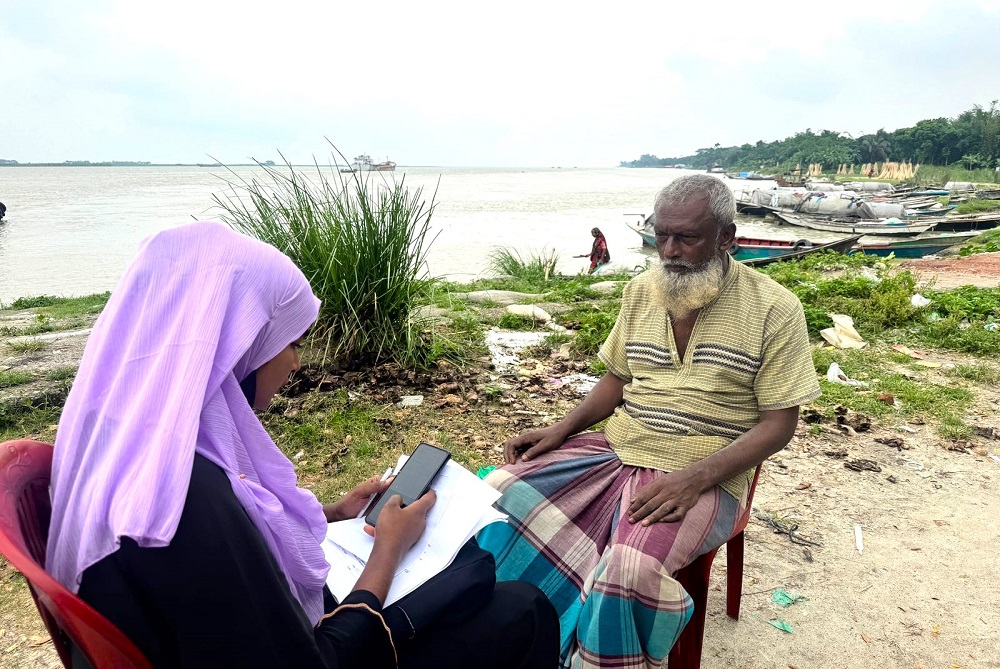
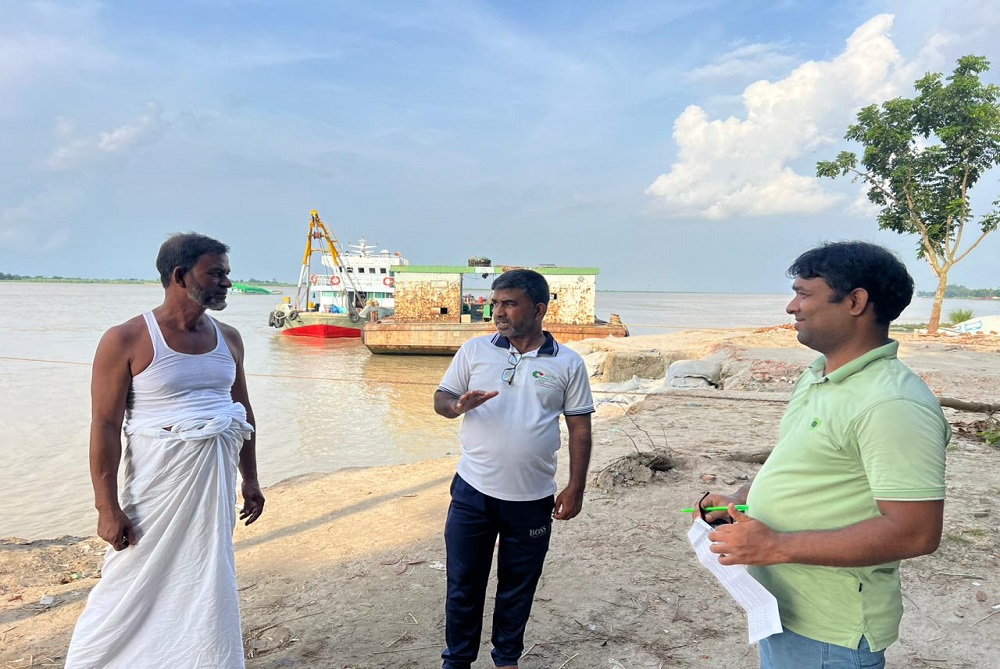
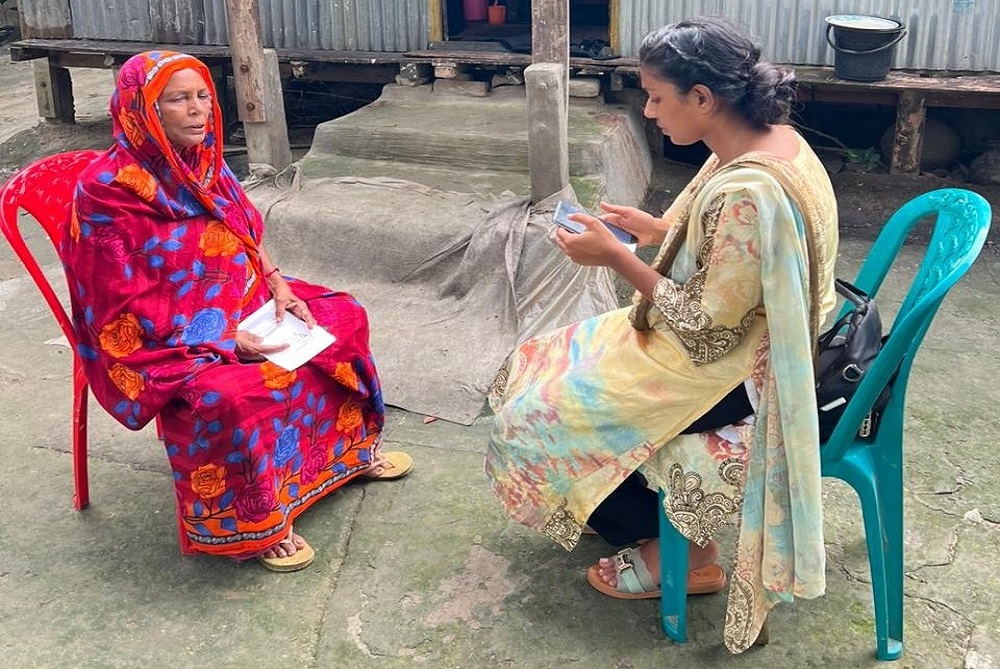
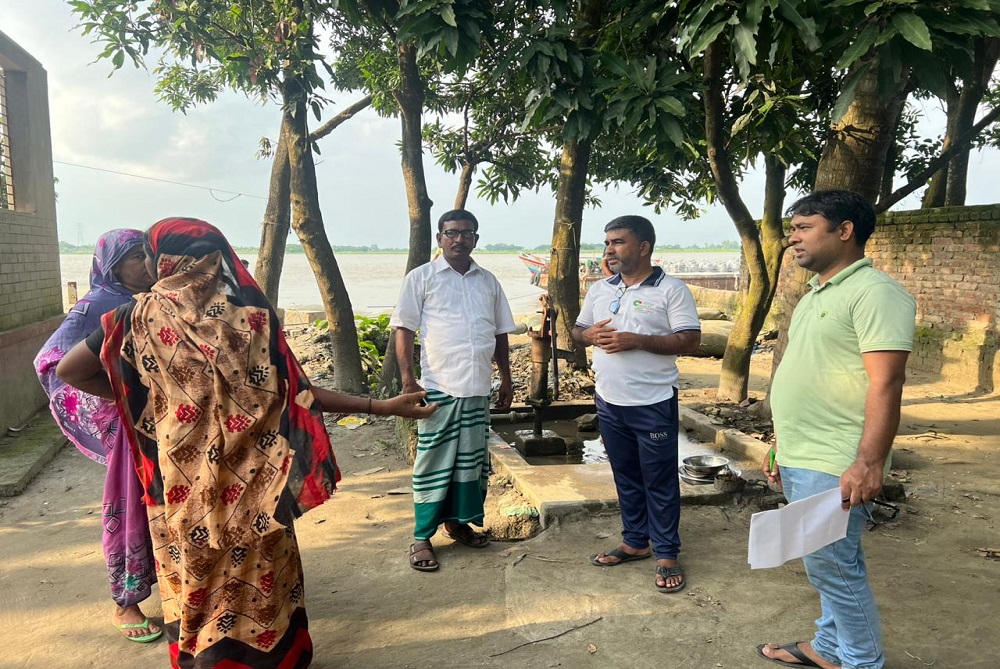
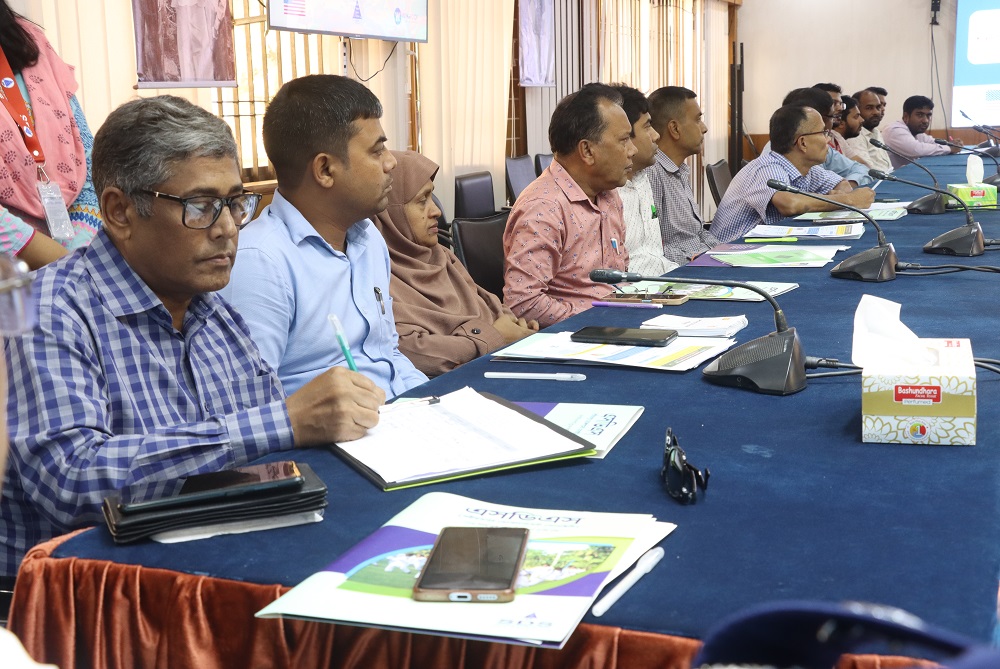
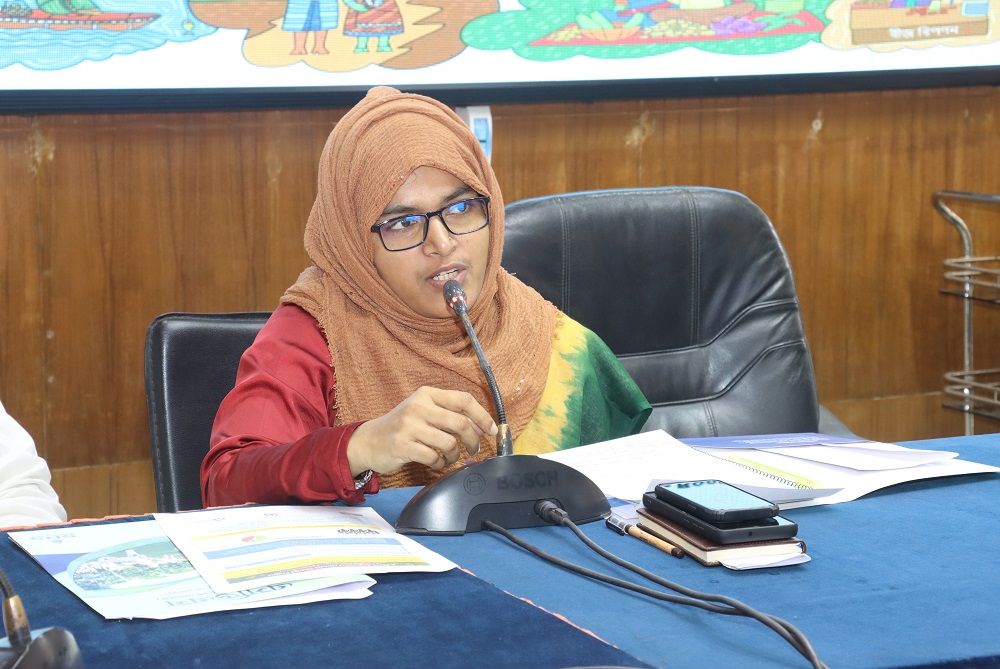
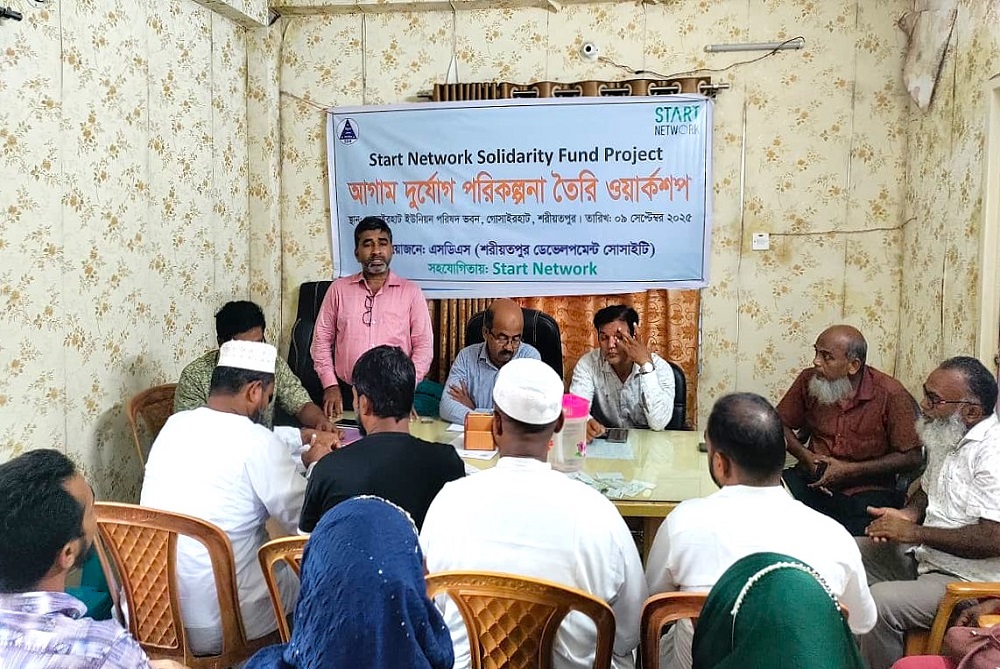
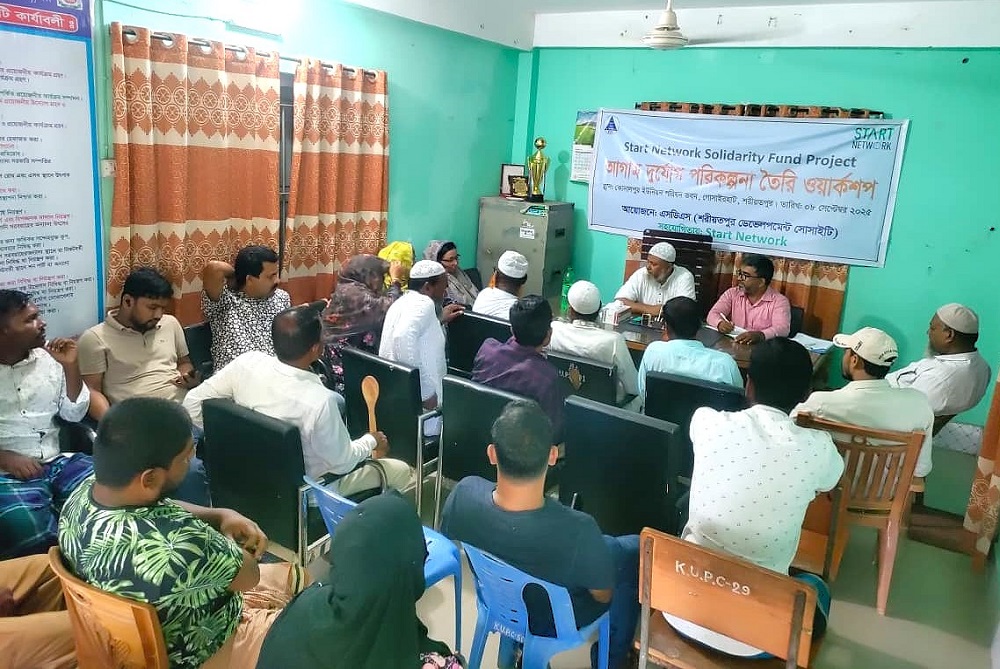
Start Network Solidarity Program

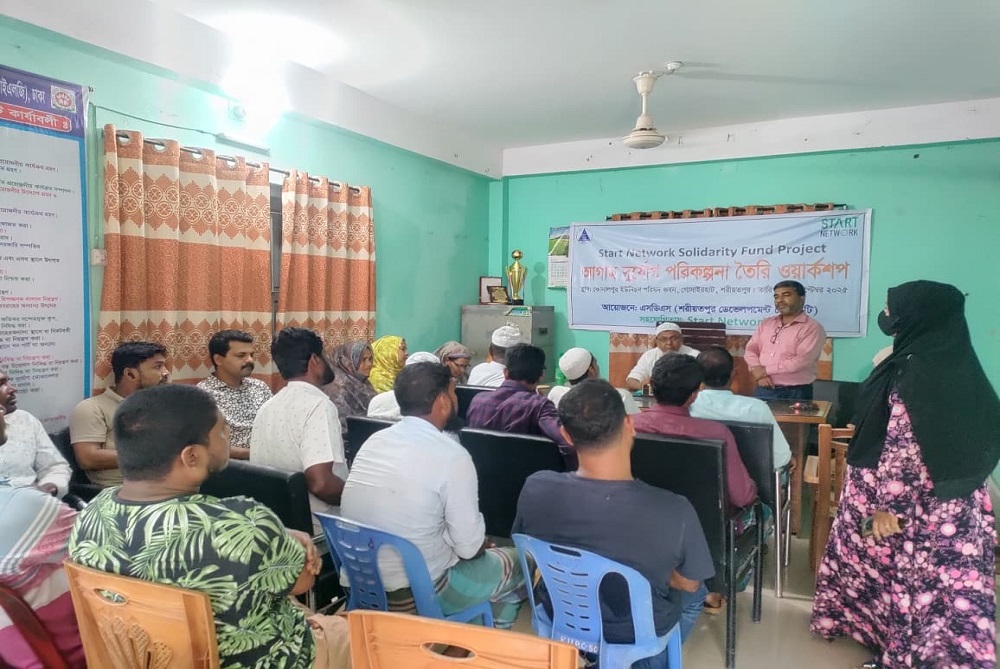
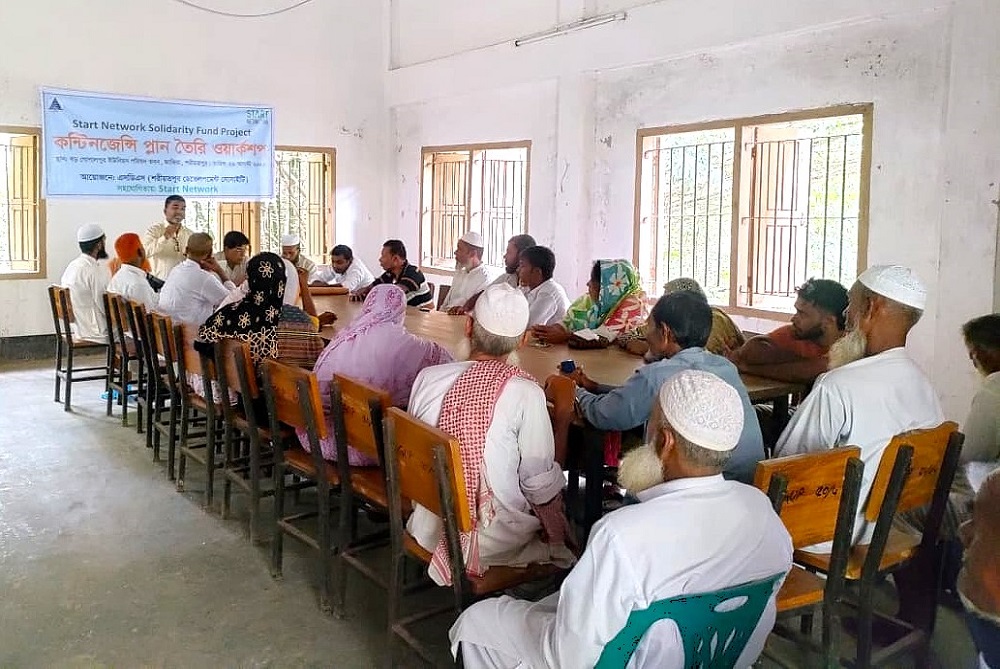
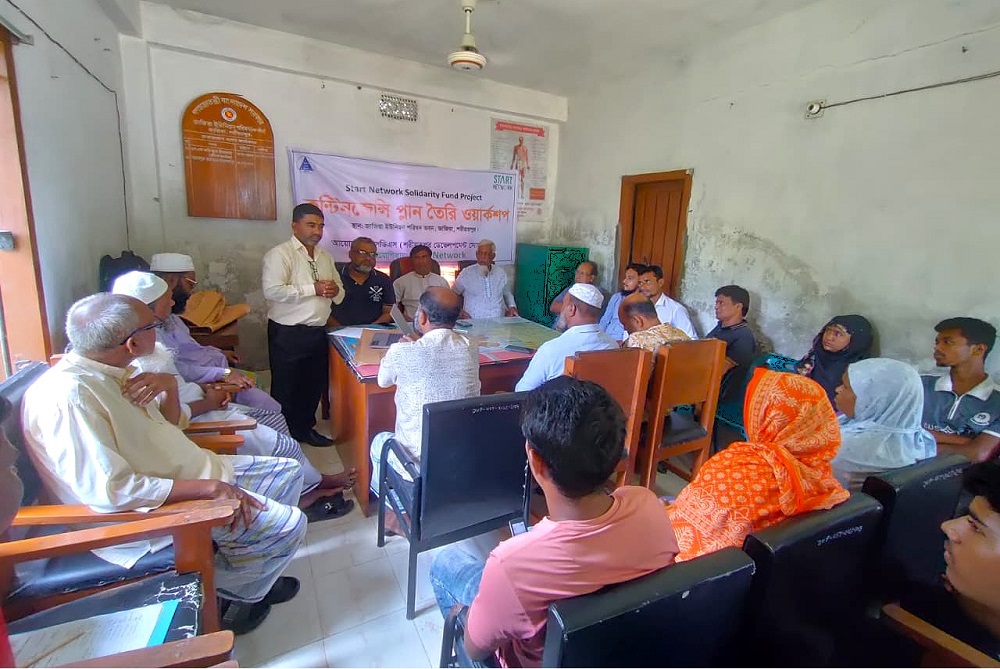
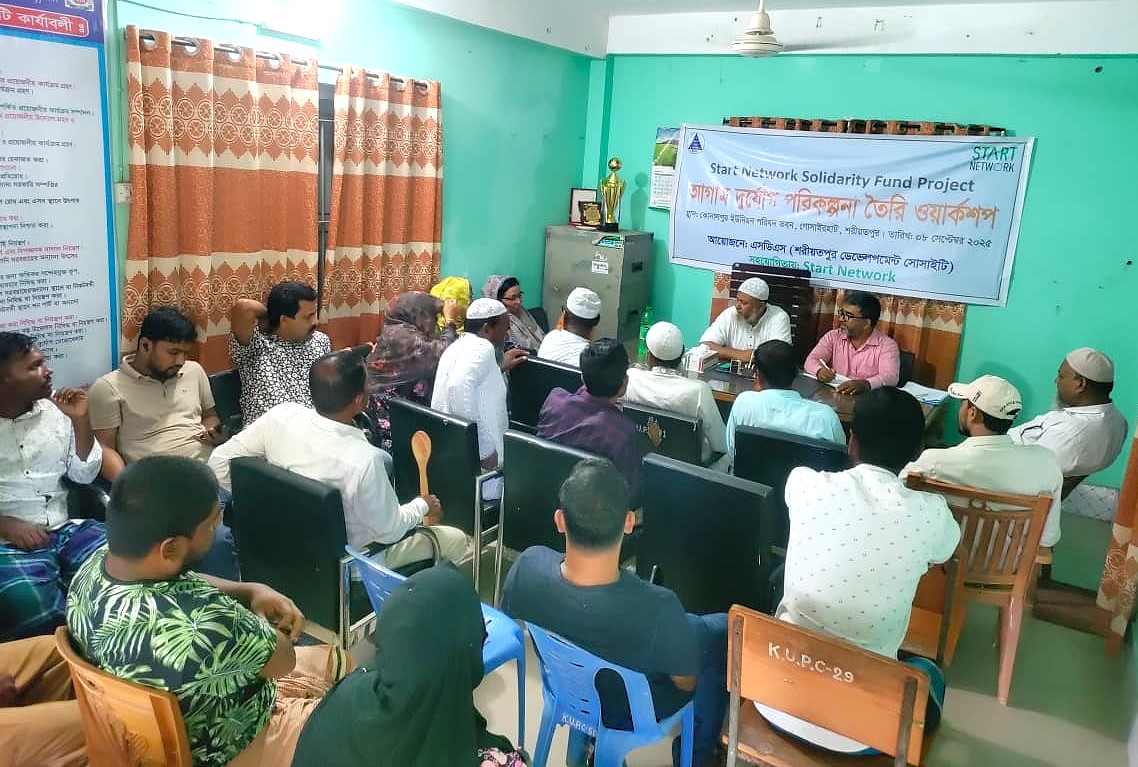
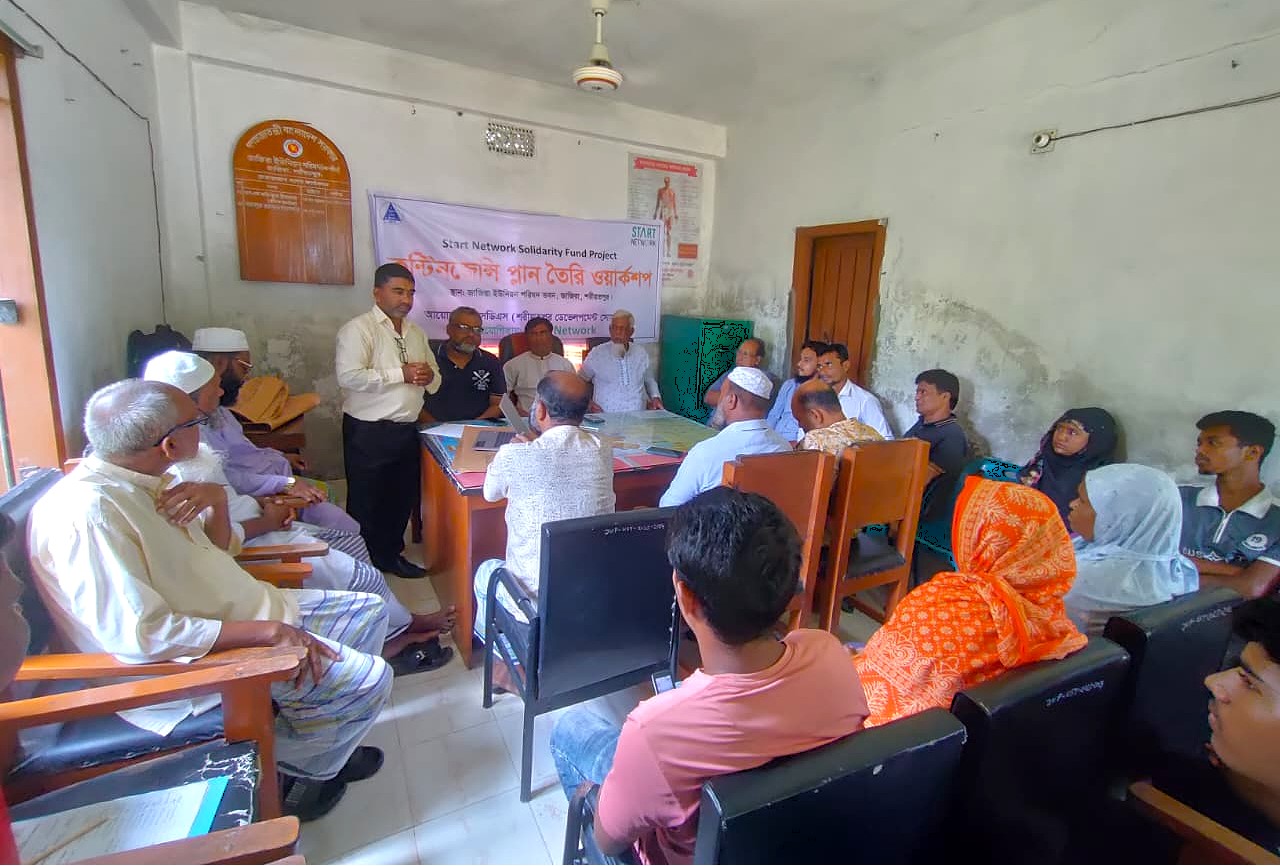
Project Name: Start Network Solidarity Program

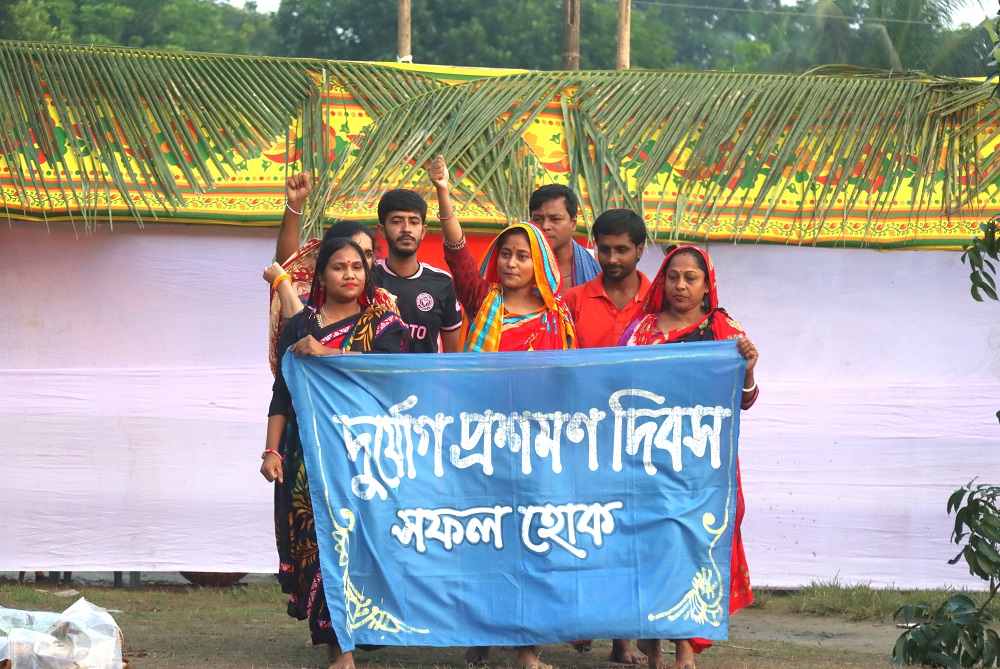
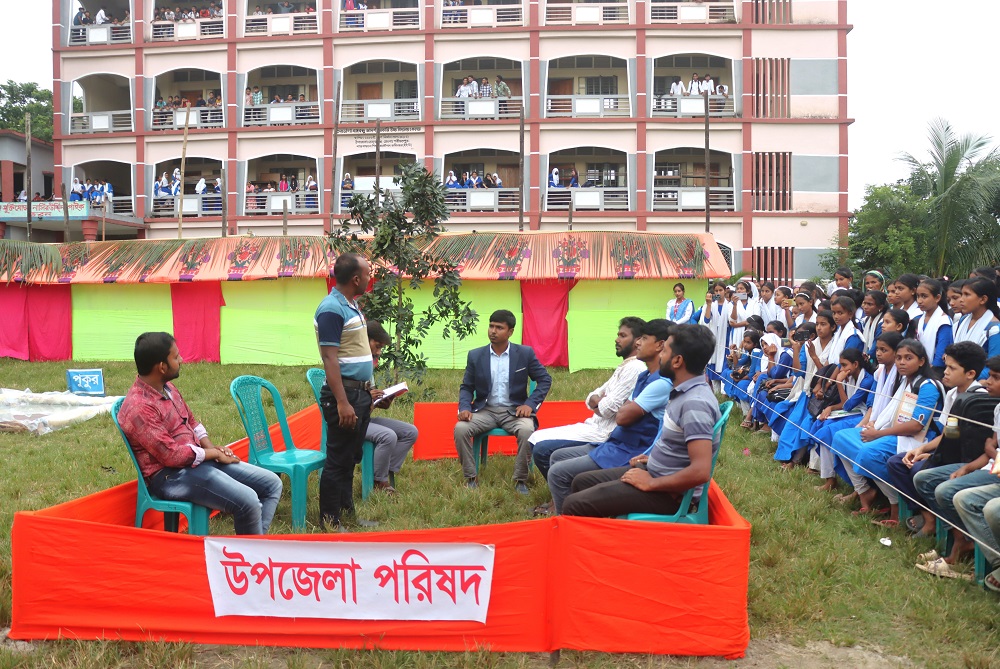
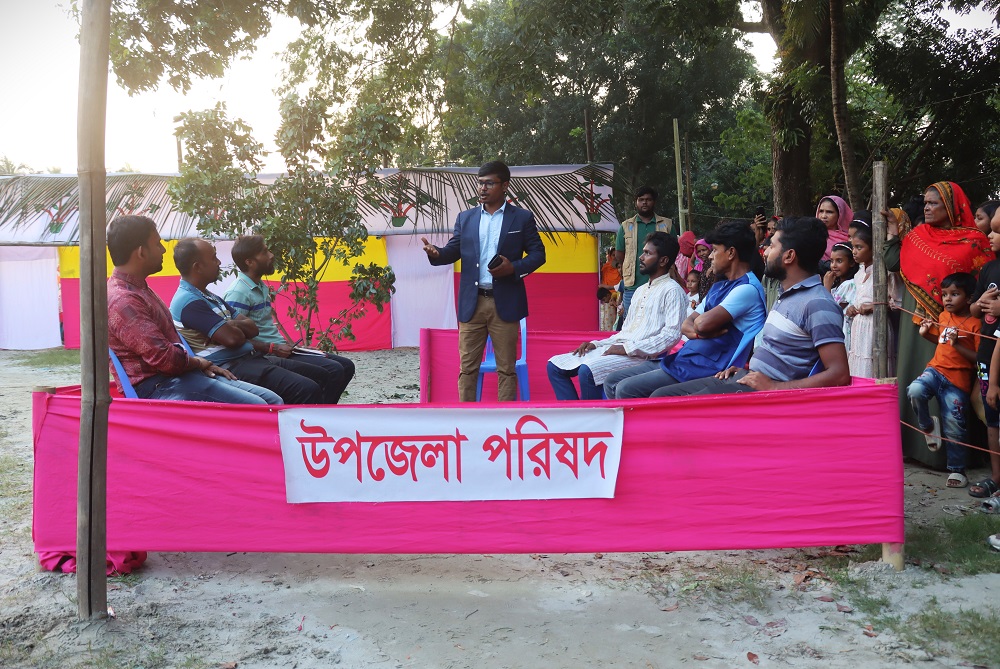
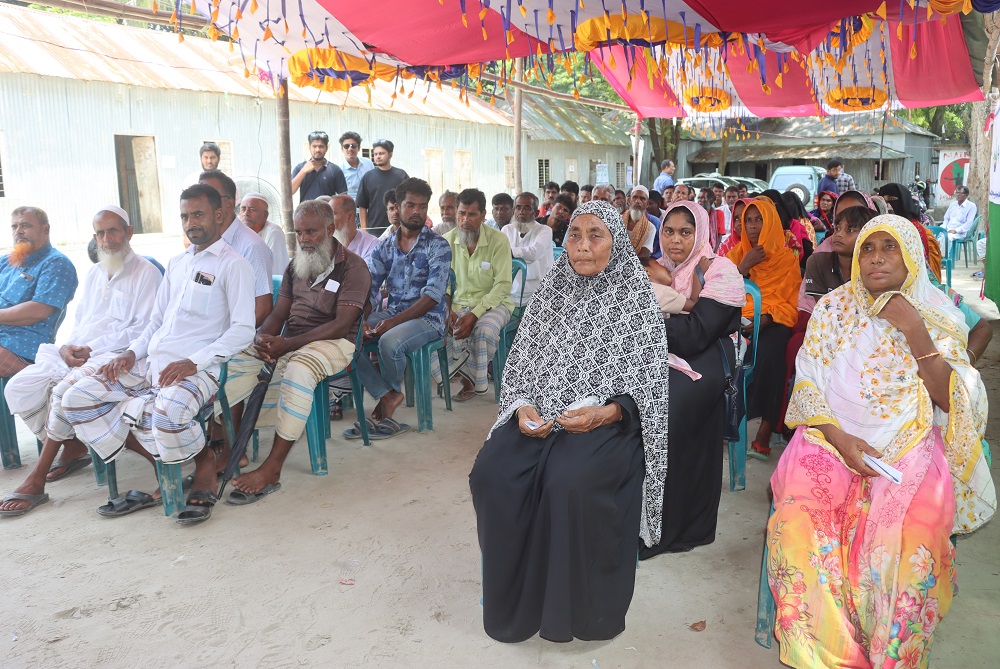
Project Objective: 1. Raising Social Awareness: Increase awareness among vulnerable families through various trainings and publicity campaigns. 2. Enhancing the Capacity of Disaster Management Committees: Strengthen the skills of individuals involved in disaster management at the district, upazila, and local levels, and make them aware of their responsibilities and duties. 3. Planning and Implementation: Develop and implement pre-disaster plans to minimize the extent of losses and damages.

Project Goal: Due to the closure of funding for the BPEMS Agragati Project implemented through SDS, activities will now be carried out through the Solidarity Fund to raise disaster awareness among 1,800 climate-affected families. In addition, the initiative will focus on enhancing the capacity of disaster management committees and raising awareness among them in order to reduce the losses and damages caused by disasters.

Project Brief: SDS (Shariatpur Development Society) has been implementing various development projects in Shariatpur as well as in different districts of the country for a long time. As part of this effort, SDS is going to implement a project through the START NETWORK Solidarity Fund with the aim of providing climate-resilient improved agricultural information to vulnerable farming households affected by climate change, strengthening their capacity to cope with post-disaster situations, and supporting at-risk communities in identifying alternative means of livelihood and employment to improve the condition of vulnerable families.
Through this fund, activities will be implemented in eight unions of three upazilas in Shariatpur district (Shariatpur Sadar, Zajira, and Gosairhat). The unions are: Chikondi, Zajira, Joynagar, BK Nagar, Bara Gopalpur, Gosairhat, Nagerpara, and Kodalpur.
Most of the residents in these areas are marginal farmers, fishermen, and boatmen, whose livelihoods depend on the river. However, river erosion has taken away their land, leaving them not only financially devastated but also facing severe psychological stress and the loss of their community identity. These families live in extreme uncertainty and are deprived of basic services such as healthcare, education, and family planning. In particular, women and children are more vulnerable to violence, exploitation, and health complications both before and after displacement

Working Area: Shariatpur Sadar, Zanjira and Goshirhat Upazila of Shariatpur District.

Major activities:

 Enhanced capacity of local disaster management committees to integrate Disaster Risk Reduction (DRR) and Climate Change Adaptation (CCA) into local planning and response activities.
 Context-specific, actionable contingency plans developed and adopted at multiple administrative levels for improved preparedness and coordinated disaster response.
 Increased awareness and knowledge among key stakeholders on early warning systems, climate-resilient agriculture and aquaculture practices, and TIP (Trafficking in Persons) advisories, leading to informed decision-making and community actions.
 Functional, inclusive early warning systems established and operational at the community level, ensuring timely dissemination of disaster alerts to vulnerable populations
 Tailored Information, Education, and Communication (IEC) materials produced and distributed to promote awareness and understanding of DRR and CCA among community members and local institutions.
 A trained cadre of community-based flood preparedness volunteers capable of supporting local response actions, disseminating early warnings, and assisting during flood events.
 

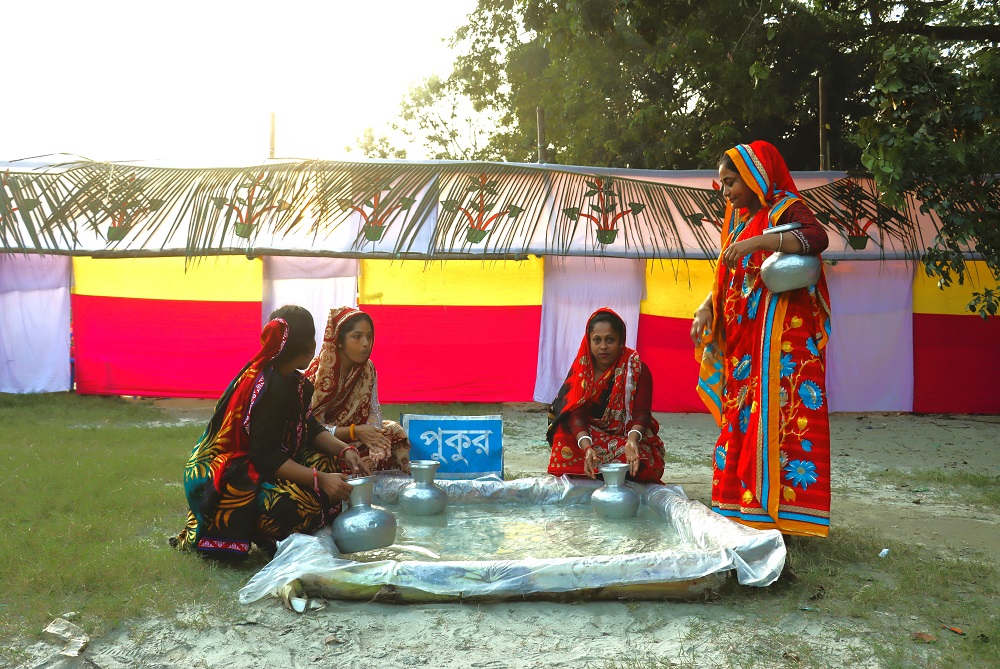
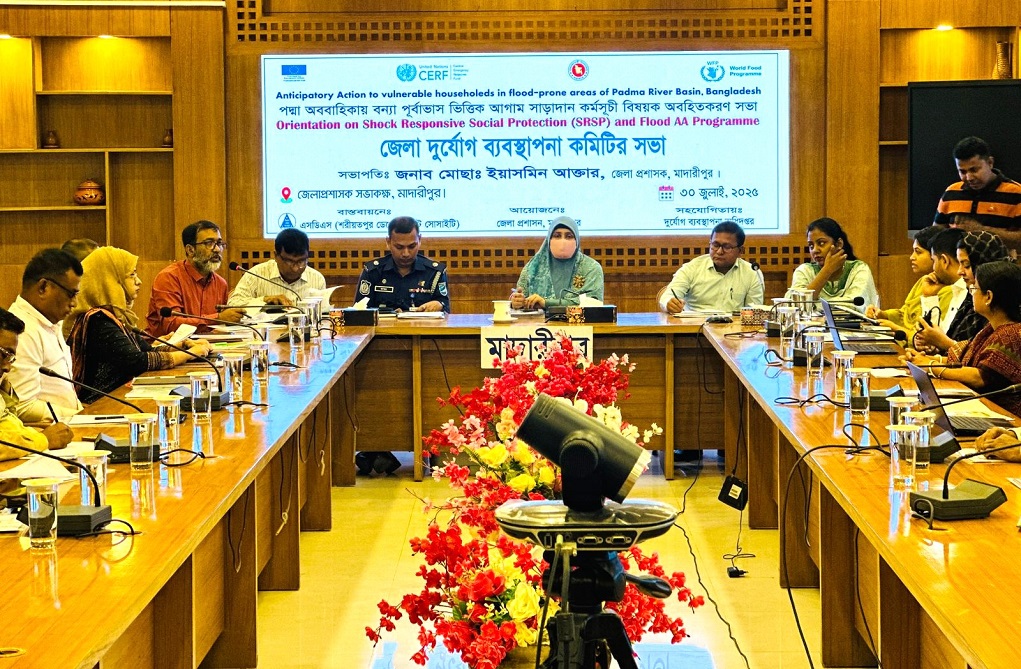
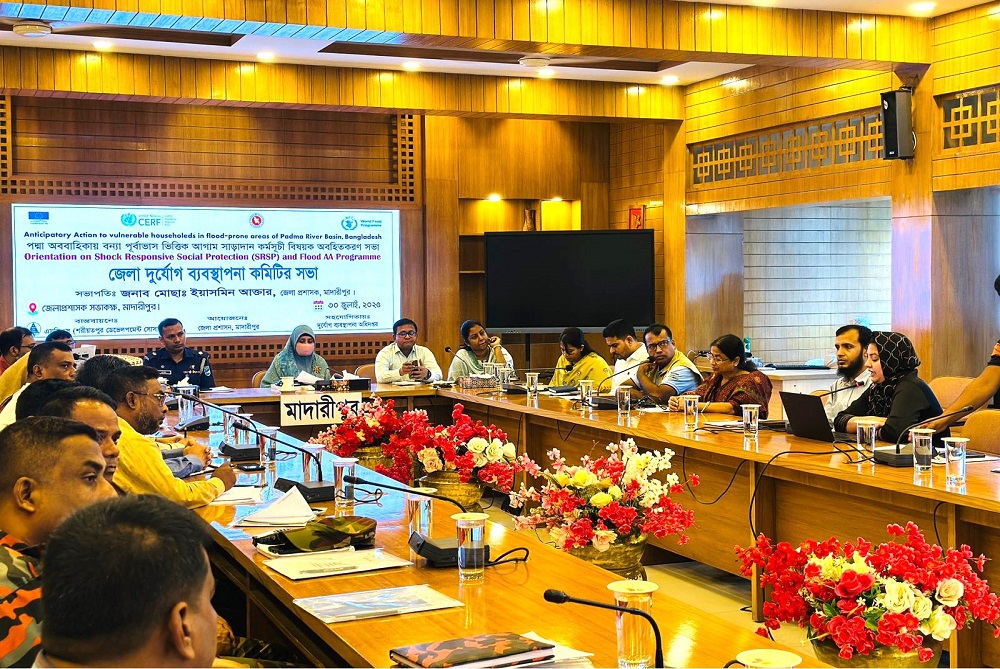
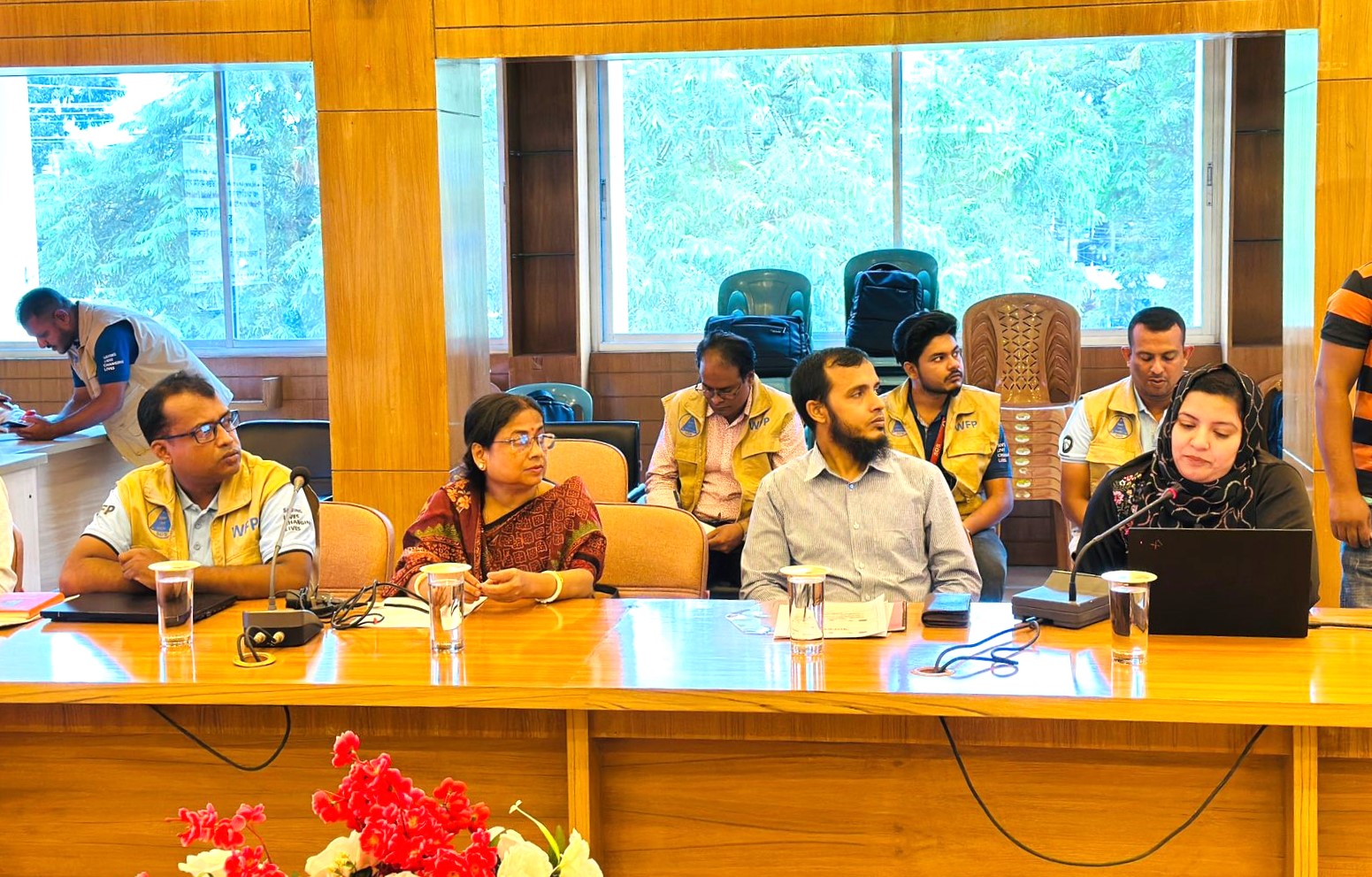
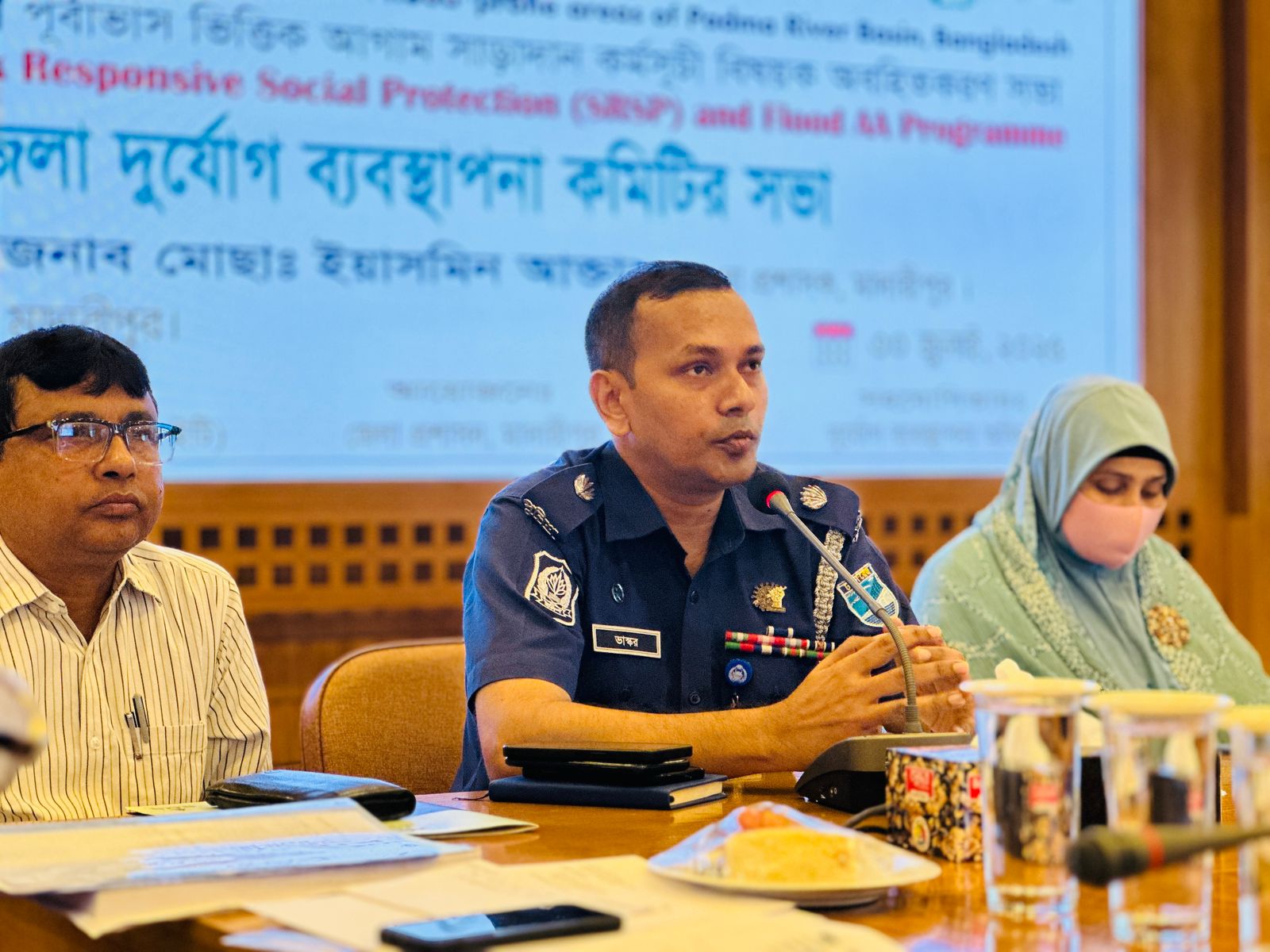
Shock Responsive Social Protection (SRSP) and (AA) Programme

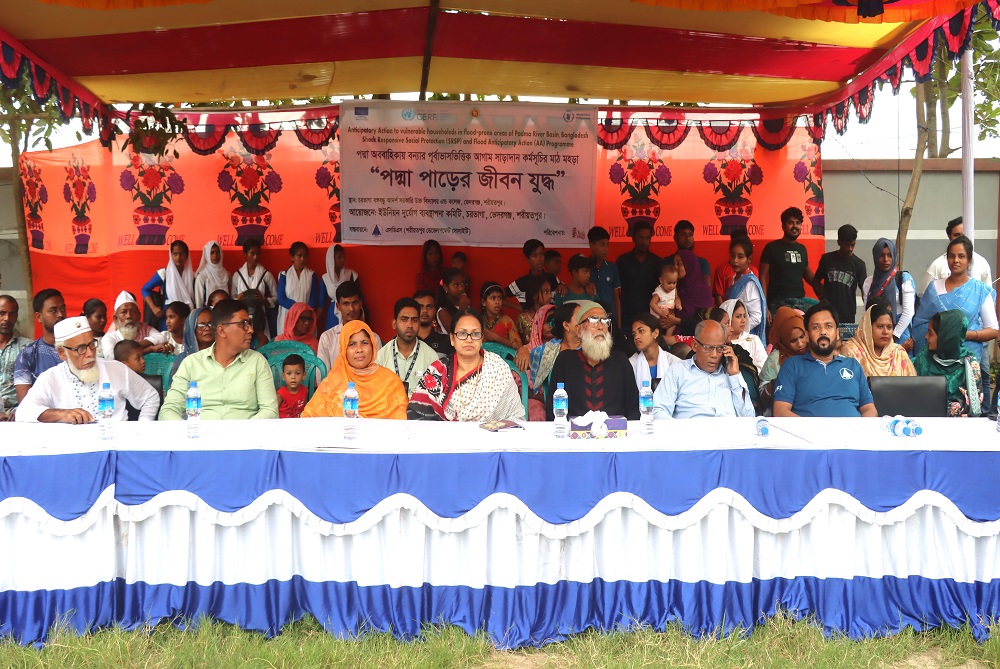
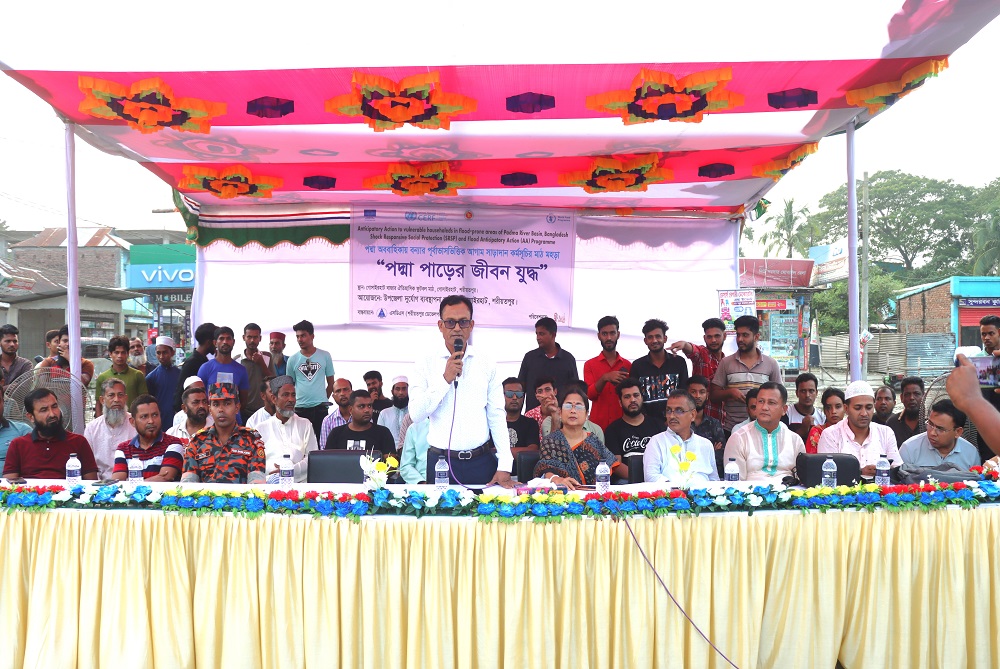
Project Name: Shock Responsive Social Protection (SRSP) and (AA) Programme

Project Objective: The objective of the project is to promote a more effective, timely and dignified humanitarian response for beneficiaries in anticipation of flood to enhance the resilience of the flood-affected households in the southwestern region of Bhedarganj, Zanjira, Naria, Gosairhat and Shibchar District.
Project Goal: 1. 25,522 vulnerable HHs for AA and 3,500 HHs SRSP from the 5 Bhedarganj, Zanjira, Naria, Gosairhat and Shibchar Districts after proper verification and validation. 2. The DMCs are oriented about the AA/SRSP of WFP and the Ministry of Disaster Management and Relief of the Government of Bangladesh. 3. Disseminated Early Warning last-mile message at the community level (23 Unions of 5 Upazilas of Bhedarganj, Zanjira, Naria, Gosairhat and Shibchar Districts (as per cyclone triggered information). 4. Shelter management system has been activated to ensure effective use of shelters in line with the early warning levels. 5. Vulnerable households confirmed receipt of their entitlement of cash / non-cash support/interventions of anticipatory actions.

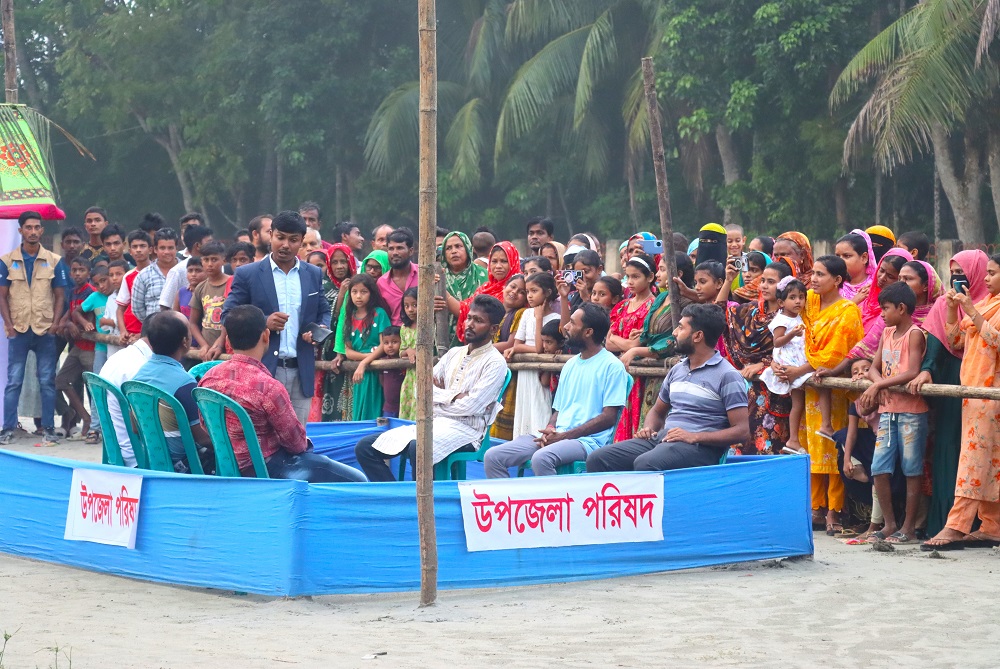
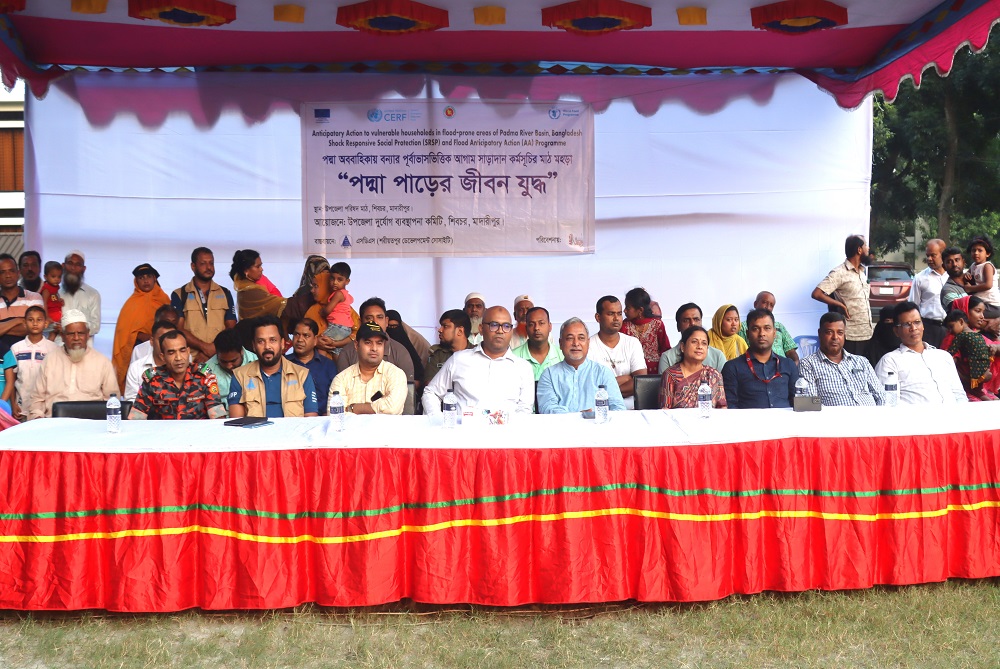
Project Brief: This project aims to proactively support vulnerable communities in the Padma River basin who face recurrent flooding and riverbank erosion. By leveraging early warning systems and predictive flood models, the initiative activates timely interventions—such as cash assistance, hygiene kits, and livelihood protection—before disaster strikes. It targets at-risk households, especially women, children, and persons with disabilities, to reduce displacement, asset loss, and food insecurity. Through coordinated efforts with local authorities and community engagement, the project strengthens resilience and integrates anticipatory action into broader disaster risk management frameworks. Ultimately, it seeks to minimize humanitarian impacts and promote sustainable, climate-adaptive social protection systems.

Working Area: The working area of the Anticipatory Action to Vulnerable Households in Flood-Prone Areas of the Padma River Basin project—implemented by SDS with support from WFP—is primarily focused in the Shariatpur & Madaripur District.
Beneficiaries: Anticipatory Action – 25522 & SRSP 3500 Total.

Major activities:

Anticipatory Action: Pre Activation and SRSP

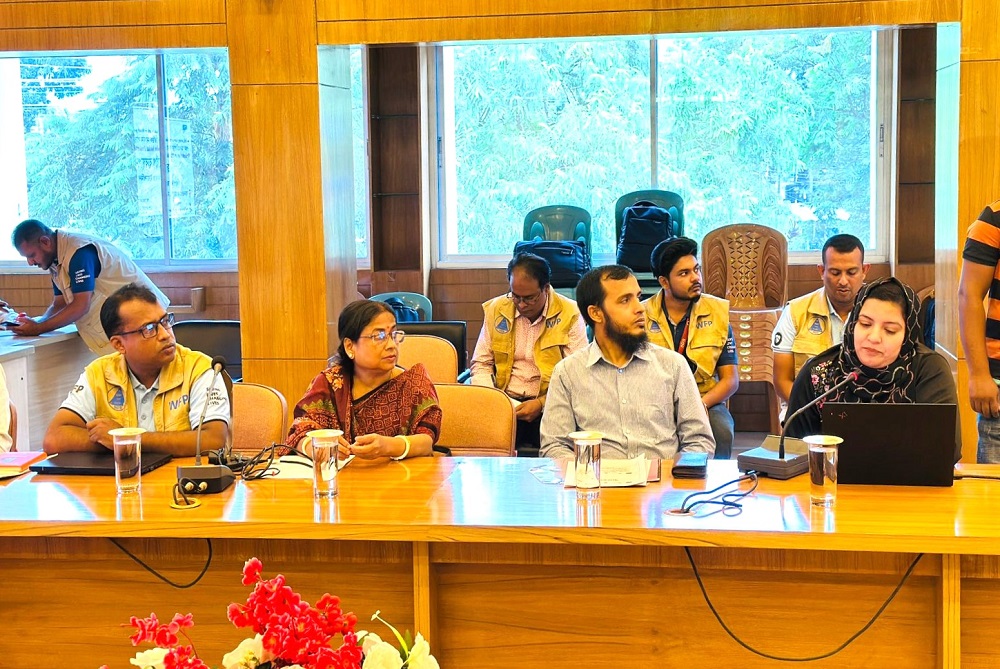
  • AA and SRSP orientation of DDMCs on their roles and responsibilities as per SOD, database and Last Mile Early Warning Message dissemination at selected districts.
  • AA and SRSP orientation on roles and responsibilities as per SOD, Database and Last Mile Early Warning Message Dissemination at UzDMCs.
  • AA and SRSP orientation on roles and responsibilities as per SOD Database and Last Mile Early Warning Message Dissemination of UDMCs of Upazilas.
  • HHs data Collection verification & validation (Physical).
  • Follow up visit for HH level preparedness plan and sensitization.
  • Visibility Items (Bag, Umbrella, rain-coat, Gum boot, signboard, poster, etc as per programme need).
  • Install Information Board (# verified HHs, Preparedness messages, Project Info/ Activities) at Upazila level.

Anticipatory Action: After Activation

  • Volunteer honorarium and Refreshment for Early Warning Message Dissemination at community level (Ward)- 1 volunteers in each ward.
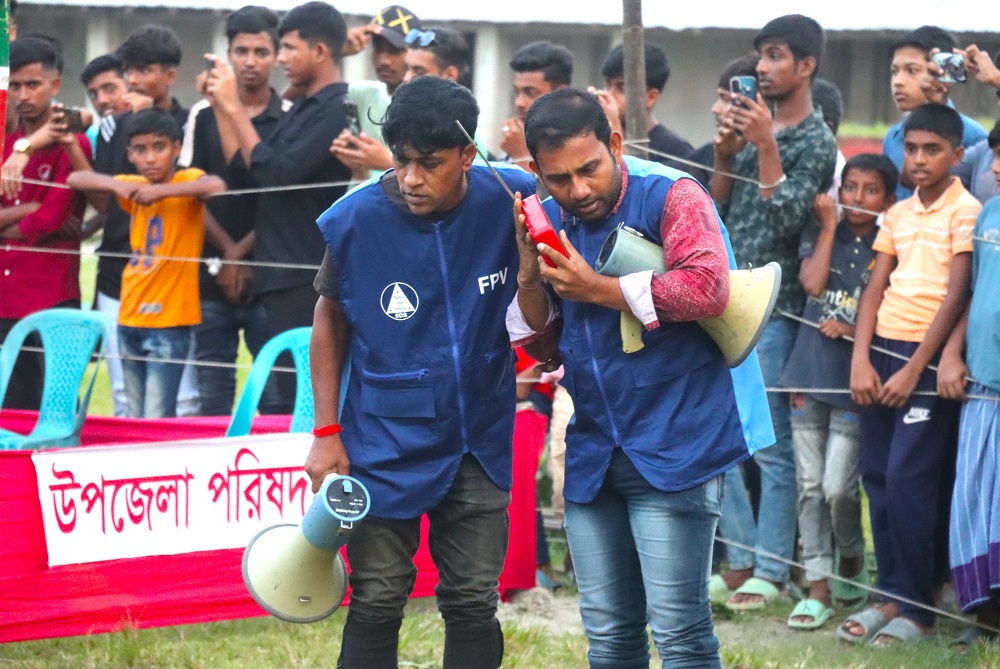
  • Last Mile Early Warning Message Dissemination (Local media and Cable Network/miking etc).
  • Post sharing of AA activation with Govt. and Development Partners at District Level.

 SRSP(Shock Responsive Social Protection)

  • Orientation on roles and responsibilities and Shock Responsive Social Protection, Database and Last Mile Early Warning Message Dissemination of DDMC at selected District.
  • Orientation on roles and responsibilities of Shock Responsive Social Protection, Database and Last Mile Early Warning Message Dissemination of UzDMCs.
  • Orientation on roles and responsibilities and Shock Responsive Social Protection of Flood, Database and Last Mile Early Warning Message Dissemination of UDMCs of Upazilas.
  • Orientation on roles and responsibilities and Shock Responsive Social Protection of Flood, Database and Last Mile Early Warning Message Dissemination of WDMCs of Upazilas (1 Sessions /3 Wards).
  • HHs data Collection verification & validation (Physical).
  • Mock drill on Flood preparedness by outsourced specialized team (per DIc 1 sessions).

Awareness session on PSEA, Gender issues, Complain and Feedback Resolve Mechanisms (CFRM) and Nutrition, WASH, Hygiene, Breast Feeding, EBF, CF to SRSP members.


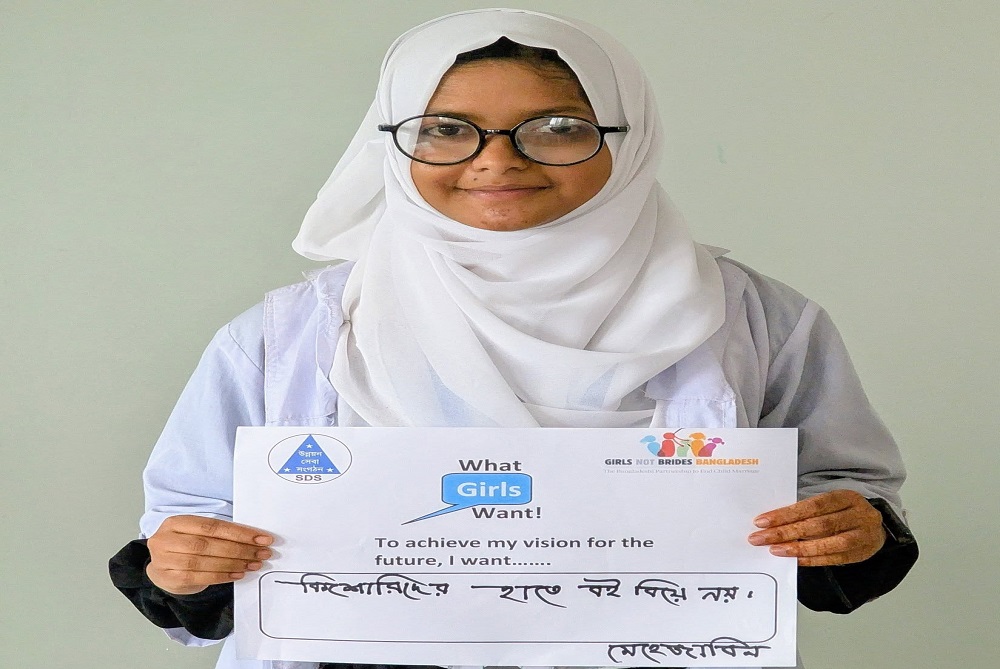
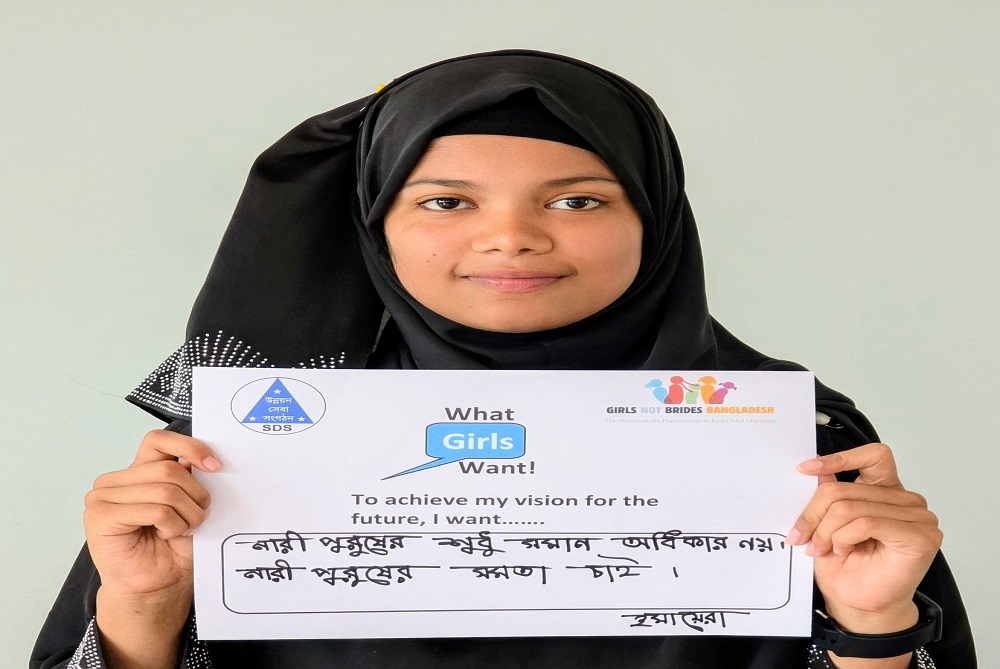
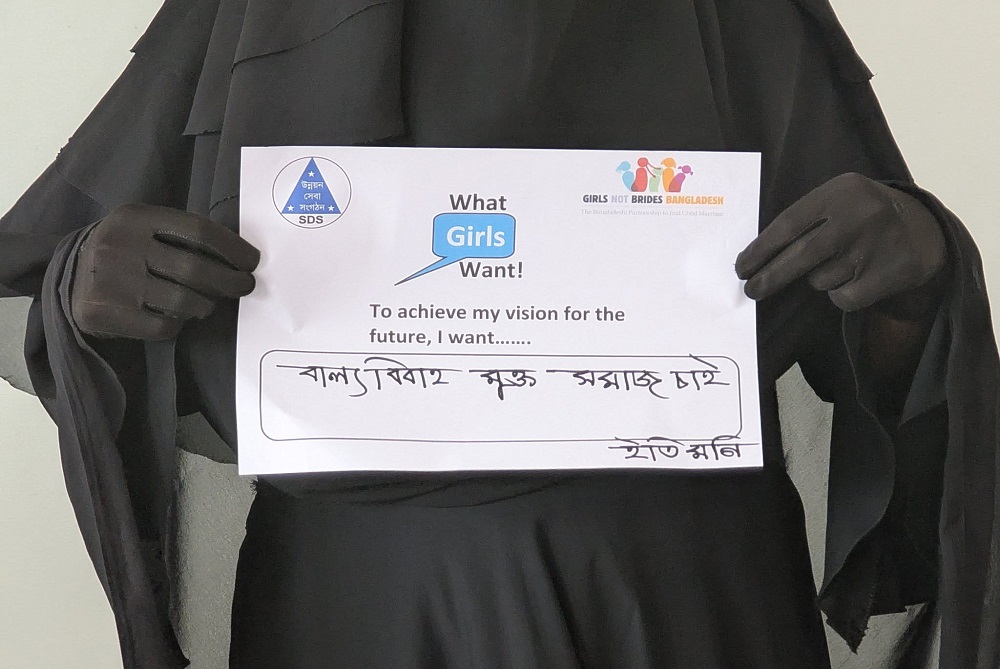
What Girls Want: Campaign

Project Name: What Girls Want Campaign

Project Objective: 1.Raise awareness among adolescent girls, parents, teachers, and communities about the negative effects of child marriage.
2. Promote girls’ rights and encourage their continued education.
3. Empower adolescent girls with knowledge, skills, and confidence to say no to child marriage.
4. Involve community leaders, parents, and teachers to create a protective and supportive network for girls.
5. Advocate for the enforcement of child marriage prevention laws and policies.
Project Goal: To eliminate child marriage by raising awareness of its harmful effects, empowering adolescent girls, and engaging parents, teachers, and communities to create a safe and supportive environment for girls to pursue education and reach their full potential.
Project Brief: This project aims to prevent child marriage and ensure a safe, empowered future for adolescent girls. It will focus on raising awareness about the harmful effects of child marriage among adolescent girls, parents, teachers, and community members. At the same time, the project will promote girls’ rights and education, building their confidence and skills to firmly say “no” to child marriage despite social pressures.
The project will also ensure active involvement of community leaders, parents, and teachers to create a supportive and protective environment for girls. Additionally, it will promote awareness and advocacy for the enforcement of child marriage prevention laws and policies to strengthen community action.

Working Area: (Name of Sub District, District.) Shariatpur.
Beneficiaries: Adolescent and Social community
Major activities:
1.Campaign
Social Media Campaign Launch post different photo card
Develop 05 Short Videos
2.Publish Learning Materials
Develop Brochure and Printing for Distribution
Badge Development And Distribution
Interactive thematic Dialogue
3.Day Observation
Observe Different Days(International Girls Child Day,National Girl Child Day and 16 Days of Activitism)


ALERT BO65

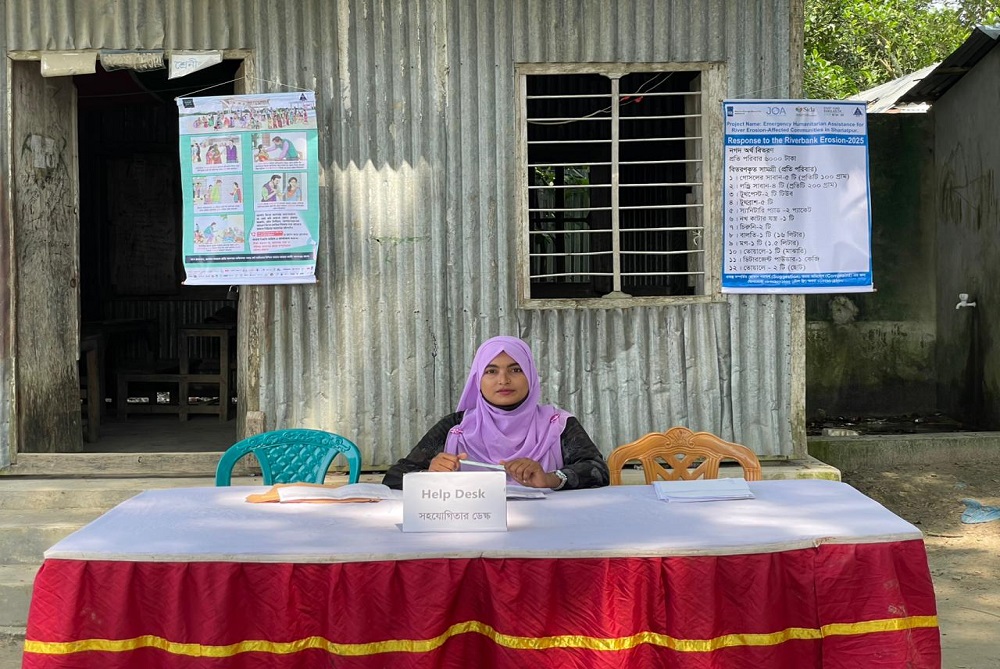
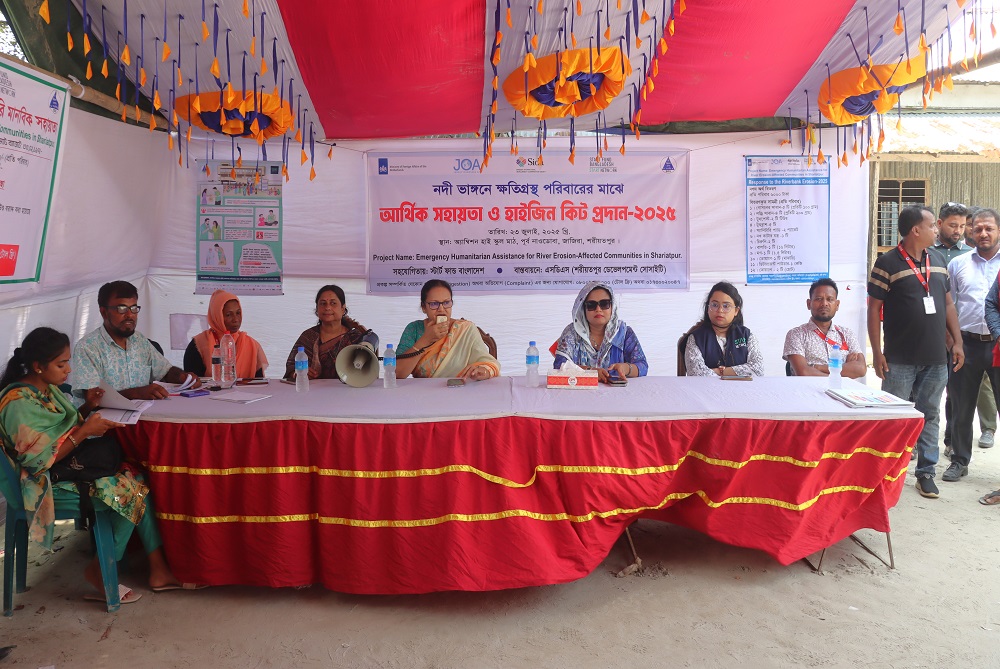
Protect Name: Emergency Humanitarian Assistance for River Erosion-Affected Communities in Shariatpur.

Project Title: Emergency Humanitarian Assistance for River Erosion-Affected Communities in Shariatpur.
Project Code: Start Fund Bangladesh – ALERT B065
Implementing Organization: SDS (Shariatpur Development Society)
Supporting Agency: Start Fund Bangladesh
Location: Sattar Madbor Kandi (Majhir Ghat), Zanjira Upazila, Shariatpur District
Project Duration: 16-07-2025 – 31-08-2025

1. Background
River erosion in Shariatpur District continues to displace hundreds of families each year, resulting in the loss of homes, assets, and livelihoods. In response to the immediate humanitarian needs of the erosion-affected families, SDS, with the support of Start Fund Bangladesh, implemented an emergency assistance project to provide urgent relief and support to the most vulnerable communities in Zanjira Upazila.

2. Objectives
The main objectives of the project were:
• To provide emergency cash assistance to enable families to meet their urgent needs.
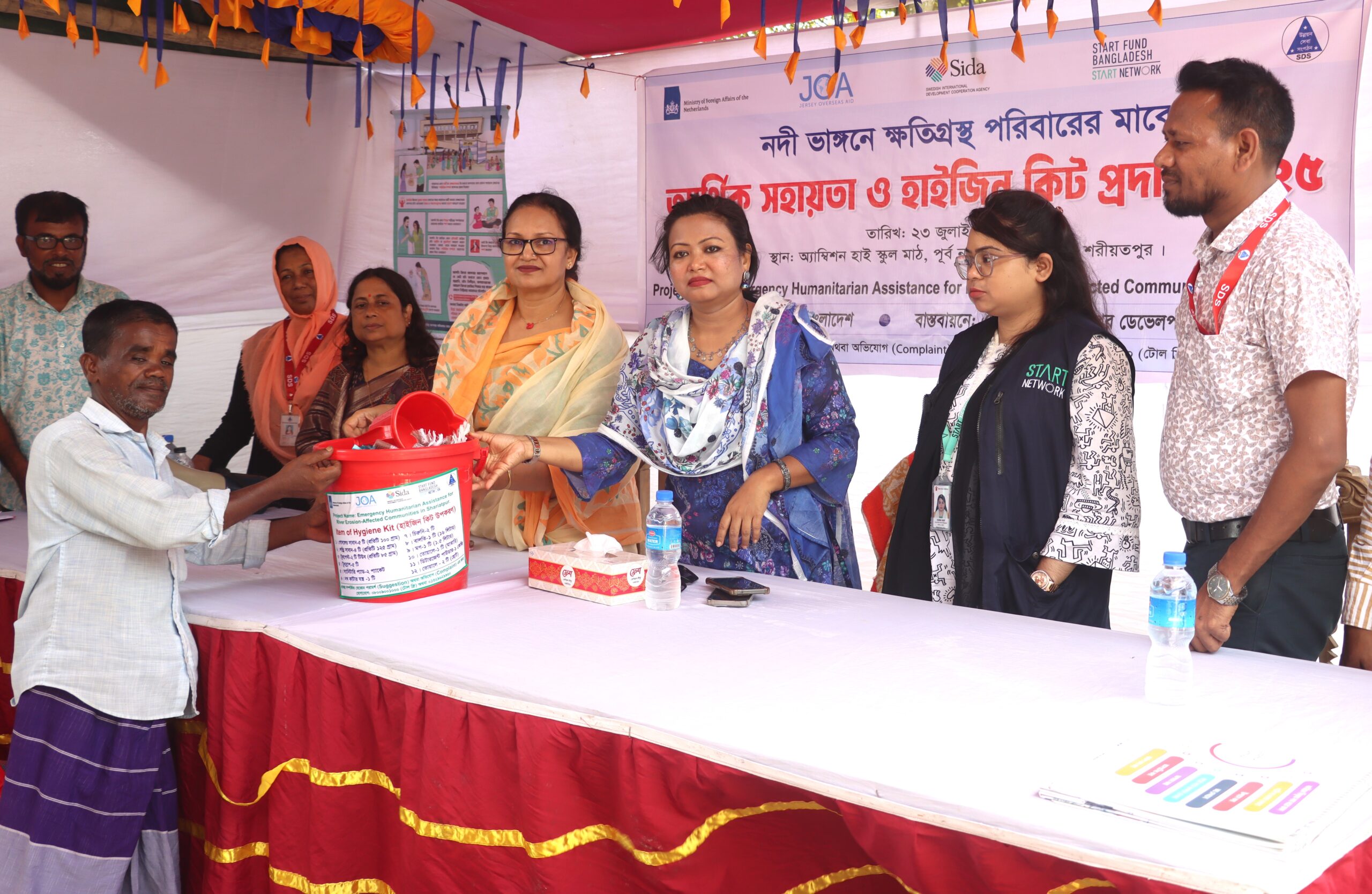
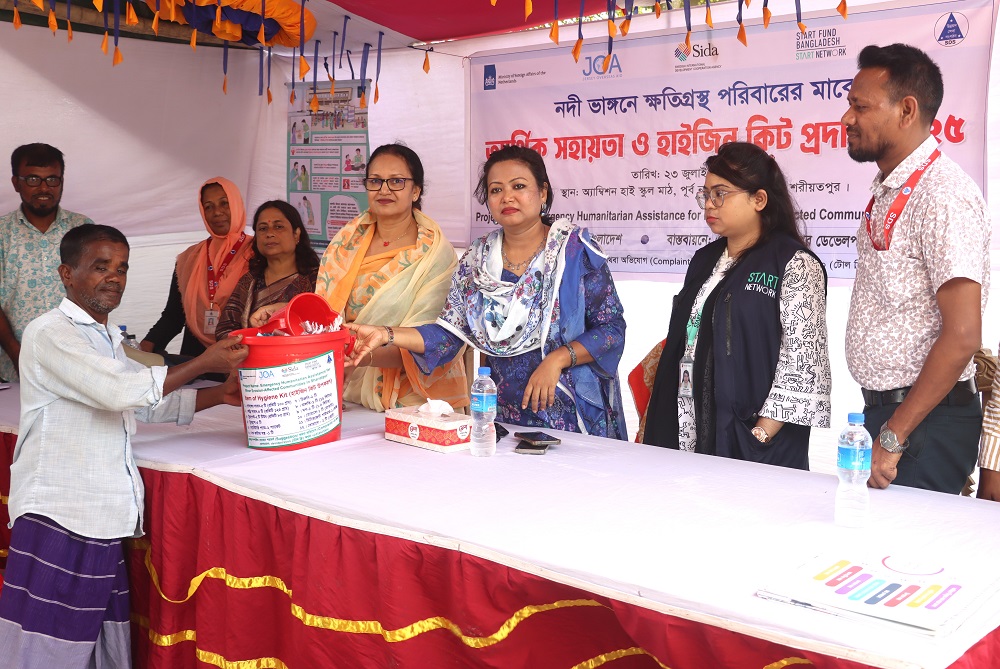
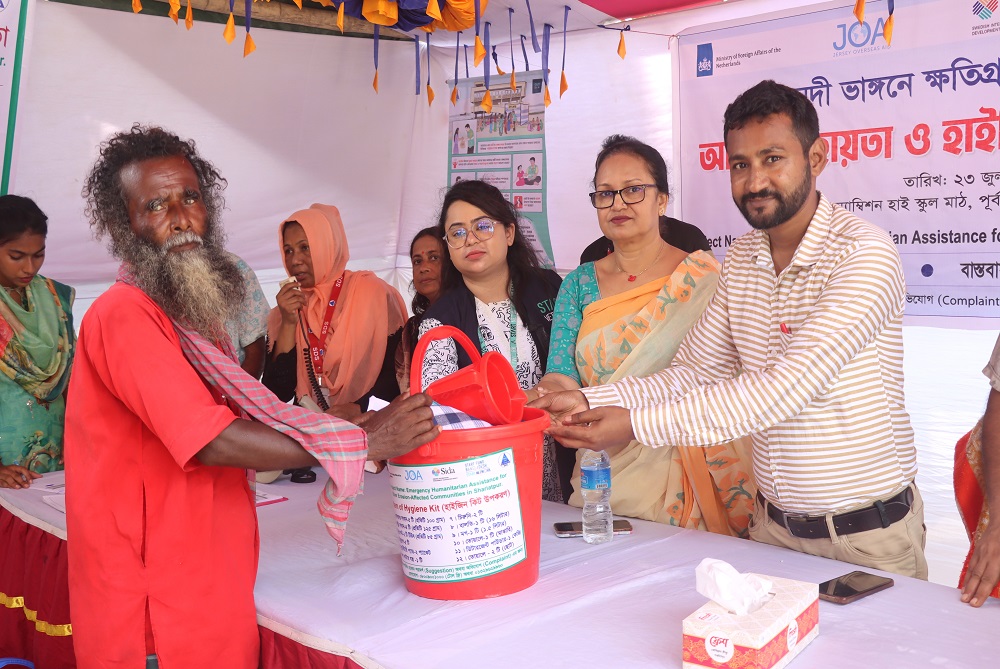
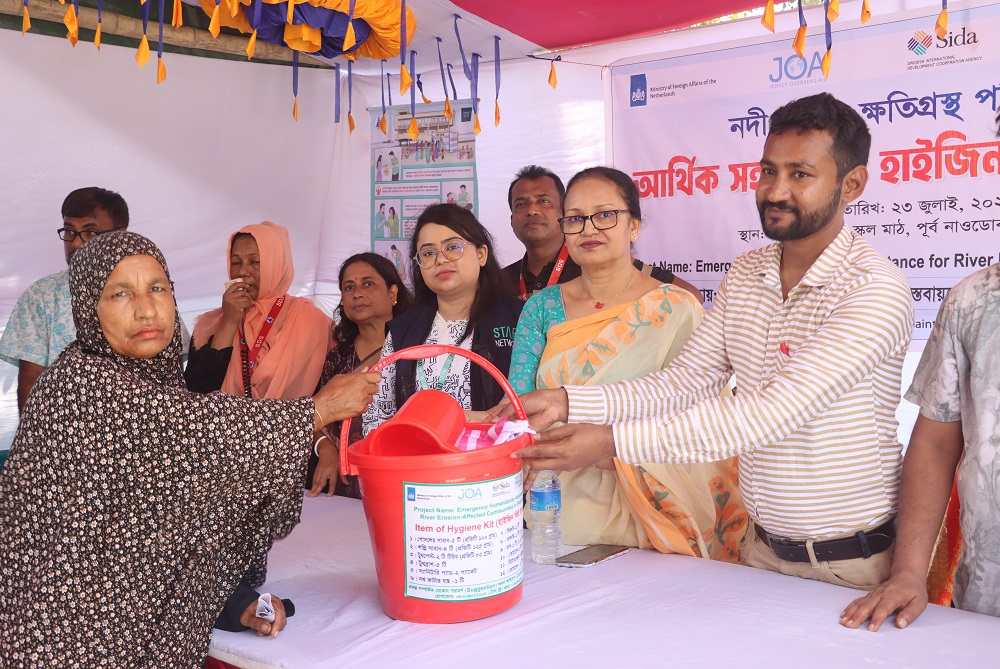
• To distribute hygiene kits to promote safe practices, protect health, and maintain dignity in crisis situations.
• To initiate household-level shelter needs assessments for future recovery and rehabilitation planning.
• To ensure transparency, accountability, and safeguarding throughout the implementation process.

3. Achievements
3.1 Emergency Cash Assistance
Total Families Reached: 151 erosion-affected households
Amount Distributed: BDT 6,000 per household via bKash

Purpose: Allowed families to purchase food, medicine, clothing, and temporary shelter materials according to their needs.

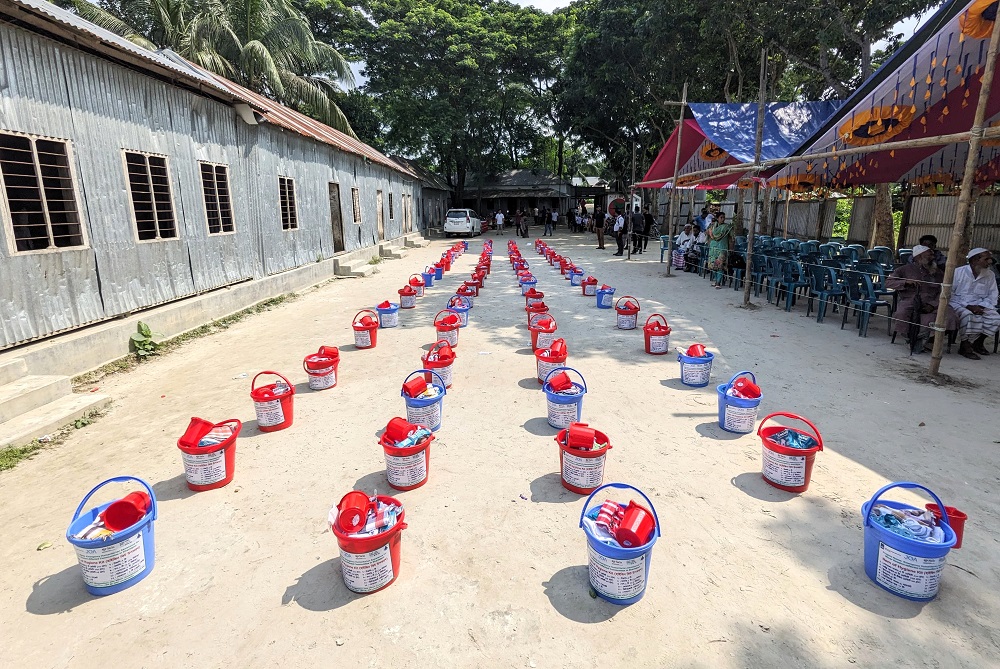
3.2 Hygiene Kit Distribution
Each family received a hygiene package worth BDT 1,600, containing 12 essential items:
1. Bath soap – 5 pcs (100g each)
2. Laundry soap – 4 pcs (125g each)
3. Toothpaste – 2 tubes (85g each)
4. Toothbrush – 5 pcs
5. Sanitary pad – 2 packs (10 pads/pack)
6. Nail cutter – 1 pc
7. Comb – 2 pcs
8. Bucket – 1 pc (16 liters)
9. Mug – 1 pc (1.5 liters)
10. Towel – 1 medium
11. Detergent powder – 1 kg
12. Small towels – 2 pcs

3.3 Shelter Needs Assessment
Household-level assessments were conducted in affected areas, including remote char areas, to identify shelter needs.

Findings will guide SDS and partners in planning the next phase of recovery, focusing on safe shelter support.

4. Implementation Approach
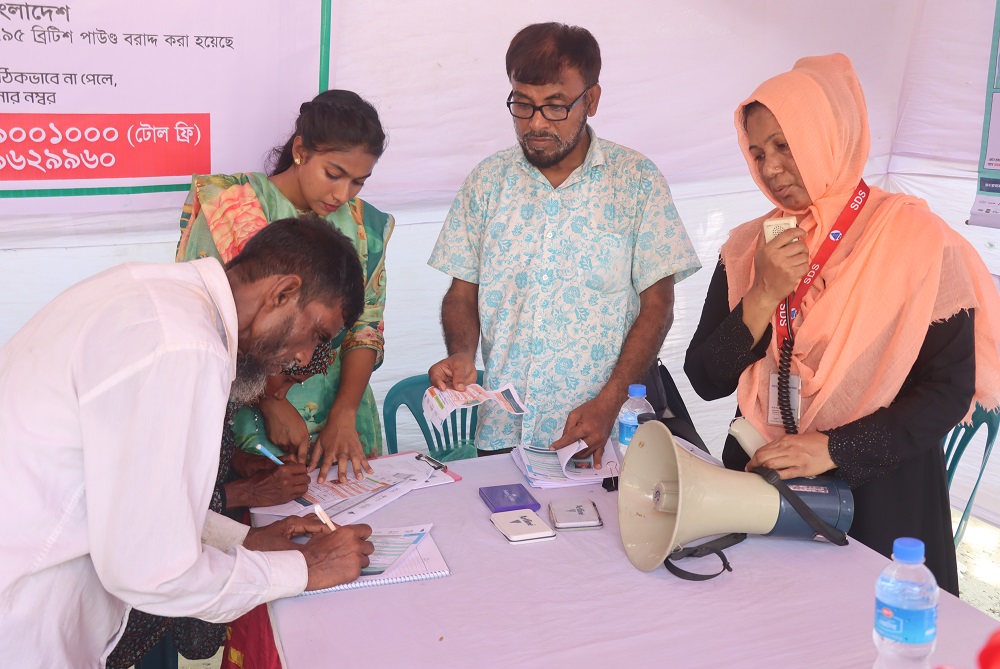
• Community Consultation: Meetings were held to listen to community voices and ensure needs-based planning.
• Safeguarding Awareness: Community members, especially women, children, and vulnerable groups, were informed of their rights and safe reporting channels.
• Transparency & Accountability:
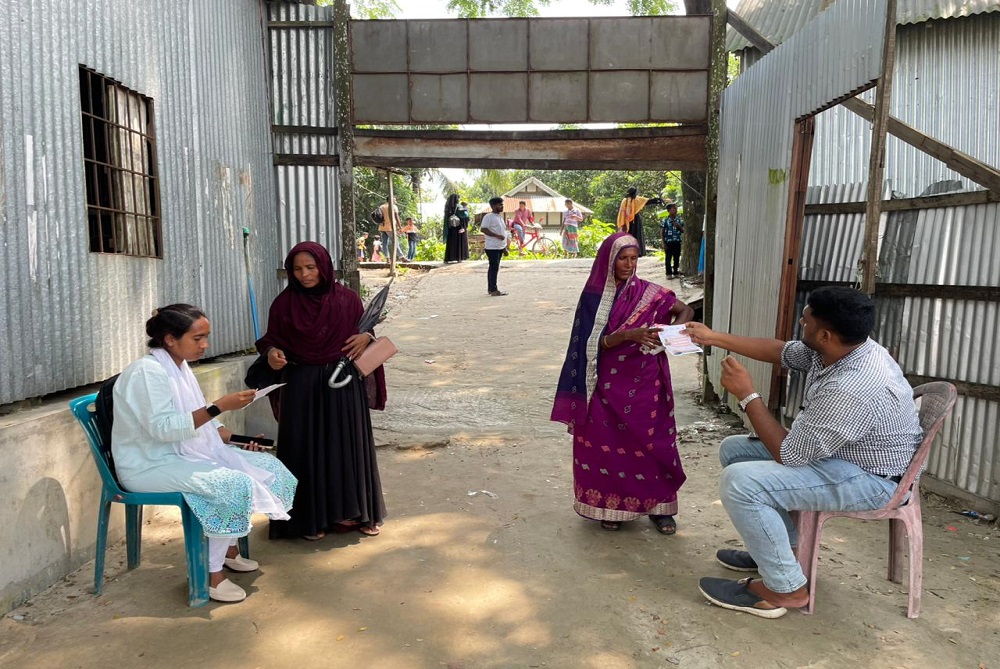
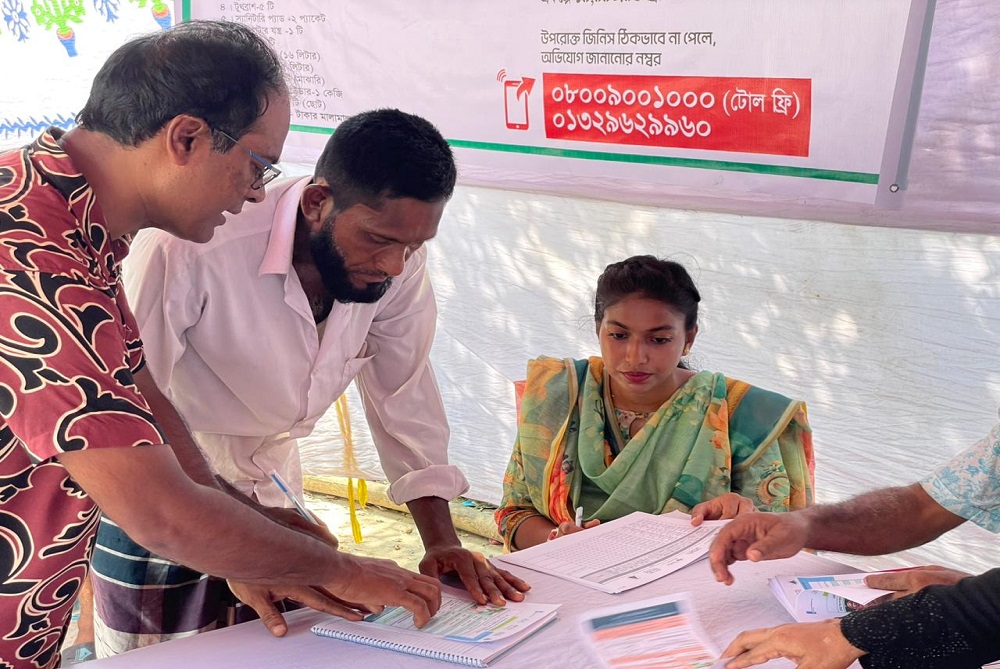
• Beneficiary lists were verified through door-to-door visits.
• Distribution cards were delivered directly to families.
• Fraud prevention measures and MAAP focal oversight ensured fair assistance delivery.

5. Stakeholder Engagement
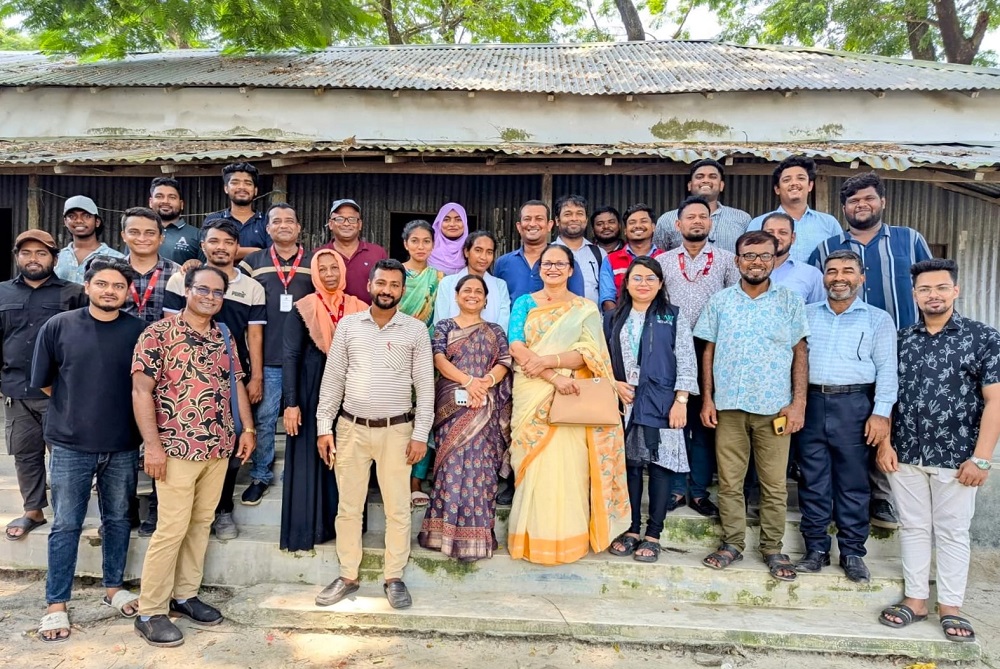
The distribution ceremonies and activities were attended and supported by:
Ms. Kaberi Roy, Upazila Nirbahi Officer (UNO), Zanjira
Ms. Rabeya Begum, Executive Director, SDS
Ms. Tasnima Mukit, Representative of Start Fund Bangladesh
SDS senior officials, project staff, and local leaders
Their presence reinforced trust, accountability, and coordination at the local level.

6. Impact
• 151 households supported with cash and hygiene kits.
• Families immediately addressed urgent needs such as food, medical expenses, and temporary shelter.
• Hygiene practices improved through access to essential hygiene items.
• Shelter needs of erosion-affected families documented for further planning.
• Strengthened community trust in humanitarian response and donor support.

7. Challenges
• Accessibility issues in remote char areas delayed assessment in some locations.
• Rising river levels posed risks during household visits.
• Limited project duration restricted the scope of assistance to only urgent needs.

8. Lessons Learned
• Cash assistance was the most effective way to empower families to meet their specific priorities.
• Community consultation ensured better targeting and acceptance of assistance.
• Transparent systems (door-to-door card delivery, monitoring, fraud prevention) increased accountability.
• Integration of safeguarding awareness is crucial in every humanitarian intervention.

9. Conclusion
The project successfully provided timely humanitarian assistance to erosion-affected families in Shariatpur, reducing immediate suffering and restoring hope. Through cash, hygiene support, and shelter assessment, SDS and Start Fund Bangladesh demonstrated a people-centered, transparent, and accountable humanitarian response.

SDS remains committed to working with communities and partners to build resilience, restore dignity, and support long-term recovery for river erosion-affected families.

10. Acknowledgement
We express our sincere gratitude to Start Fund Bangladesh for their timely support, and to the local administration, distinguished guests, SDS staff, and community members for their cooperation in making this project a success.


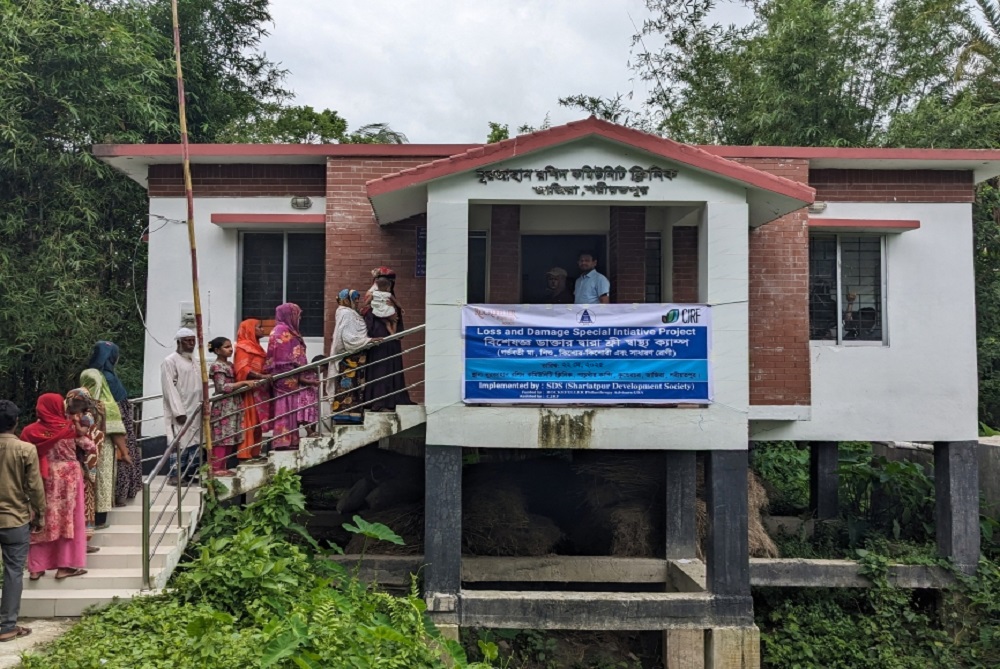
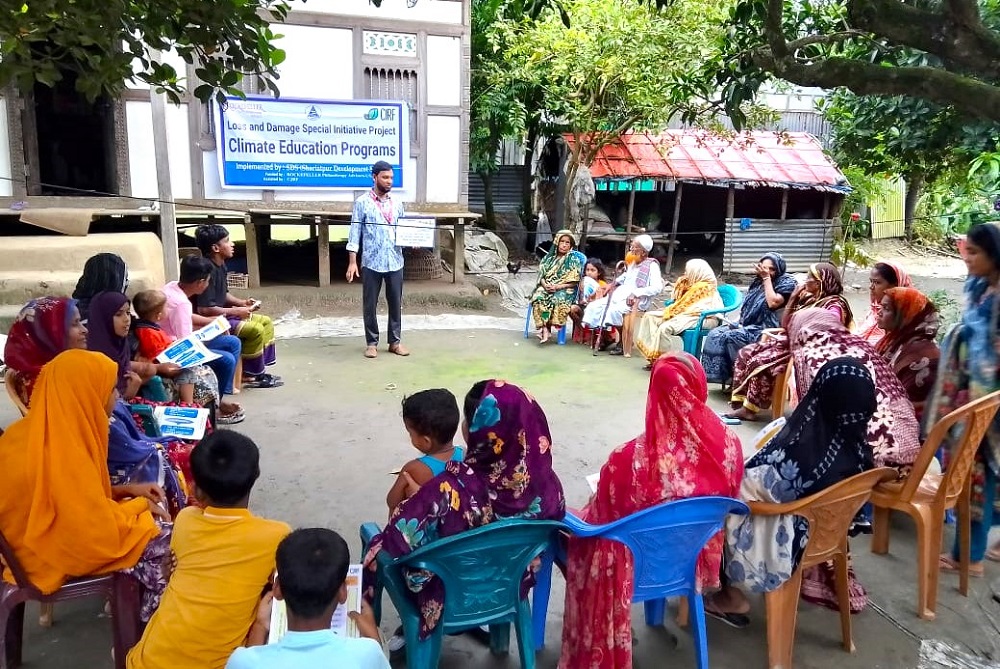
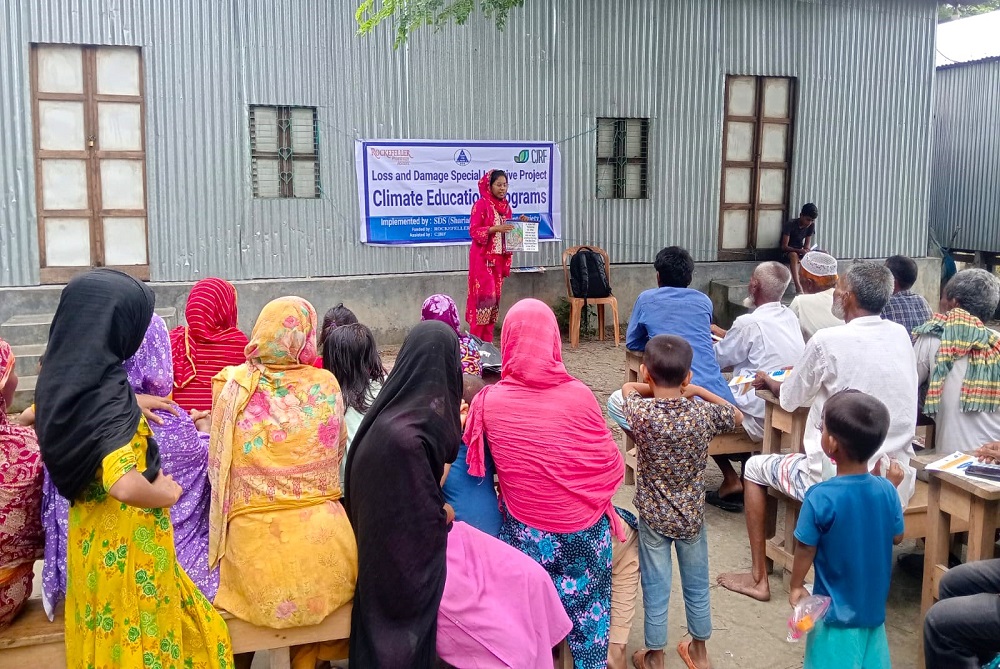
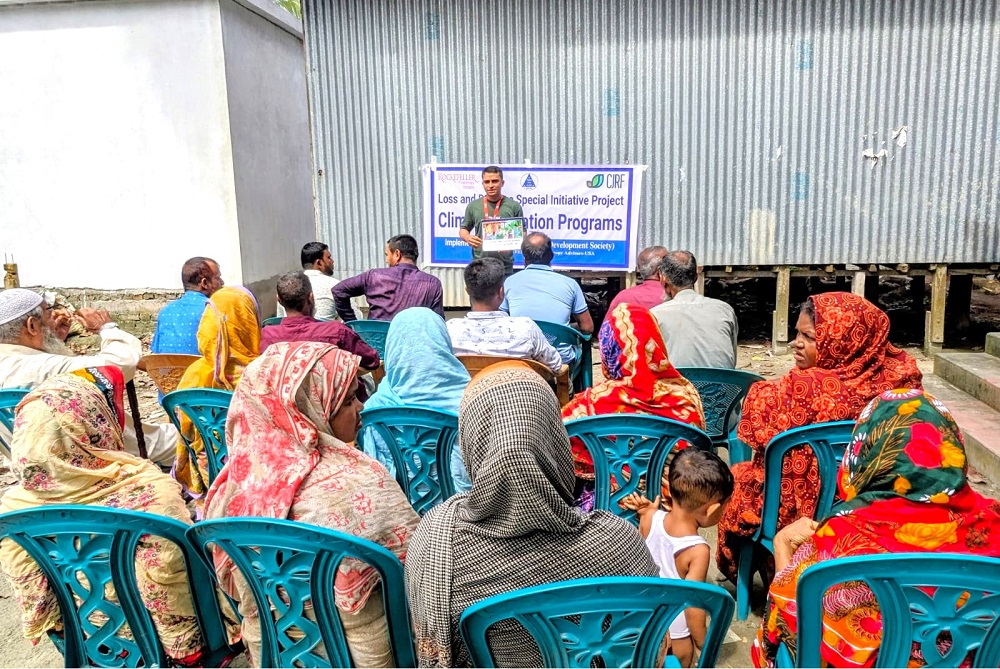
Non-Economic Loss and Damage Special Initiative

Protect Name: Non-Economic Loss and Damage Special Initiative

Project Name:

Non-Economic Loss and Damage Special Initiative

(Project reference no: G-24-2145437)

Implementing Partner/s:

SDS (Shariatpur Developent Society)

Funding Channel:

CJRF (Climate Justice Resilience Fund)

Funding:

Rockefeller Philanthropy Advisors-USA

Project Location:

6 Union in 4 sub-districts of Shariatpur

1. Kunderchar union, Jazira

2. Charatra union, Naria

3. Noapara union, Naria

4.Uttar Tarabonia union, Bhedorgonj

5.Kachikata union, Bhedorgonj

6.Kuchaipatti union, Goshairhat

Beneficiary profile:

The repeated displacement caused by river erosion results in profound significant Non-Economic Loss and Damage, including the erosion of cultural identity, mental health deterioration, and the breakdown of social cohesion

Direct participants with single counting: 6000 households

Project Duration:

1 January 2025 – 31 December 2025

Total Budget:

BDT- 8,393,760

CJRF Contribution:

BDT- 7,772,000

Implementing Partner’s Contribution (own and other sources)

BDT- 621,760

Goal: To strengthen the resilience of vulnerable families living in char areas by reducing non-economic losses and damages caused by river erosion.”

Outcomes:

Outcome-1: Improved Mental Health and Psychosocial Services

Outcome-2: Strengthened Cultural Identity and Heritage through Storytelling Workshops Traditional Craft and Music Revitalization and Cultural Festivals and Events (Cultural, Sports).

Outcome-3: Reduced GBV (Gender Based Violence) incidents and enhanced safety for vulnerable women and children.

Highlights on solutions

  • Establish Community-Based Counselling Centres
  • Set up Safe Space for Women and Children
  • Training Mental Health First Responders
  • Peer group formation and orientation
  • Health Campaign.
  • Program on gender Based Violence
  • Storytelling workshop
  • Events on Cultural festival and Traditional craft
  • Community healing workshop and Legal Aid supports
  • Workshop on resilience and well being


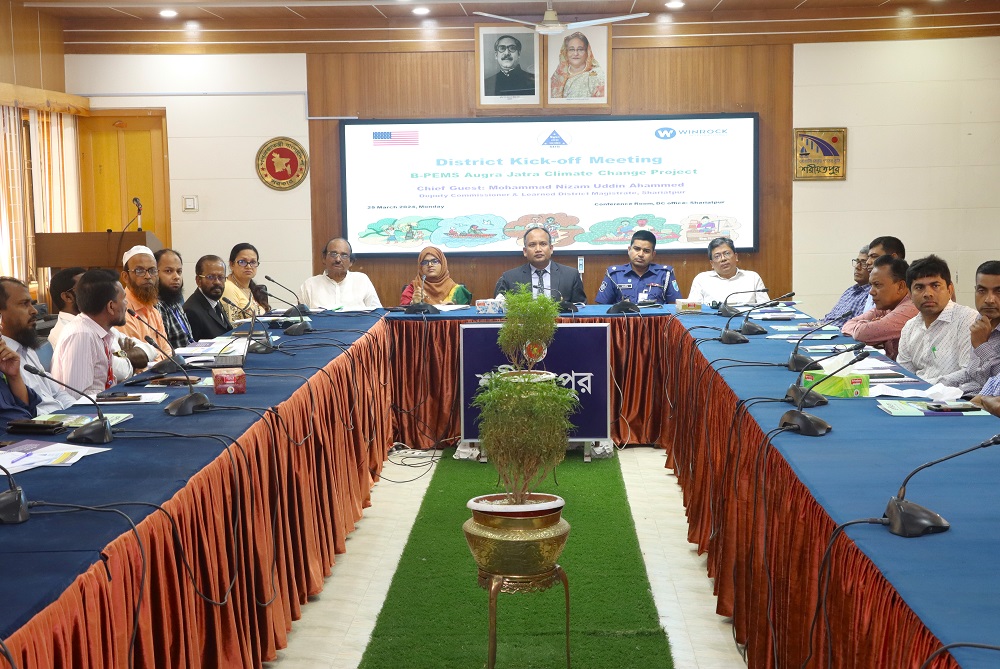
B-PEMS AugroJatra Climate Change Project

Protect Name: B-PEMS AugroJatra Climate Change Project

Project Objective:

  1. Support cross integration of climate change and human trafficking into national and local policies and plans.
  2. Increase household access to information and assistance for proactive planning.
  3. Conduct targeted research to contribute to the climate change-human trafficking evidence base.

Project Goal: Reduce the prevalence of human trafficking among climate change vulnerable farming and fishing households in Bangladesh.

Project Brief:

  1.  Global community of practice level Contributing to currently limited evidence base on the relationship between climate change and human trafficking.
  2. Institutional level Enhancing policies and plans acknowledging the intersectionality of climate change and human trafficking
  3. Household level Increasing awareness of and access to proactive adaptive options.

Working Area: (Name Of Sub District, District.) District : Shariatpur, Upazila: Shariatpur Sadar, Goshairhat, Zanjira.

Beneficiaries: Crop Farmers ,  Major Criteria : More than 50 decimals and less than 250 decimals of cultivate land ; age female 12-30, male 15-35.

Major activities: 1. Climate Smart Agriculture 2. Alternative Livelihood Options, 3. Training on CSA Practices & Technology to Crop and Aquaculture Farmers 4. Demonstration on CSA Practices & Technology to Crop and Aquaculture Farmers 5. Soil and Water Testing 6. MoUs and Partnerships with other programs and VTCs 7. Financial Literacy and Business Development Training 8. Skills Development Training on ALO through referrals and subsidized enrolment 9. Job Placement of Trained Participants.
 

Pin It on Pinterest