SICIP

Project Name: Skills for Industry competitiveness & Innovation Program (SICIP)

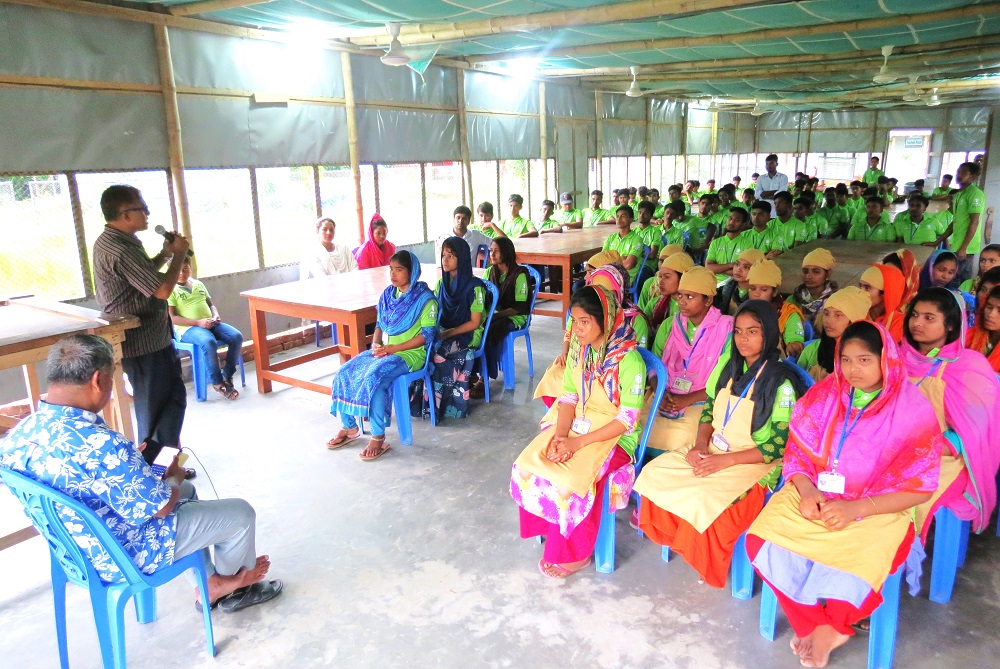
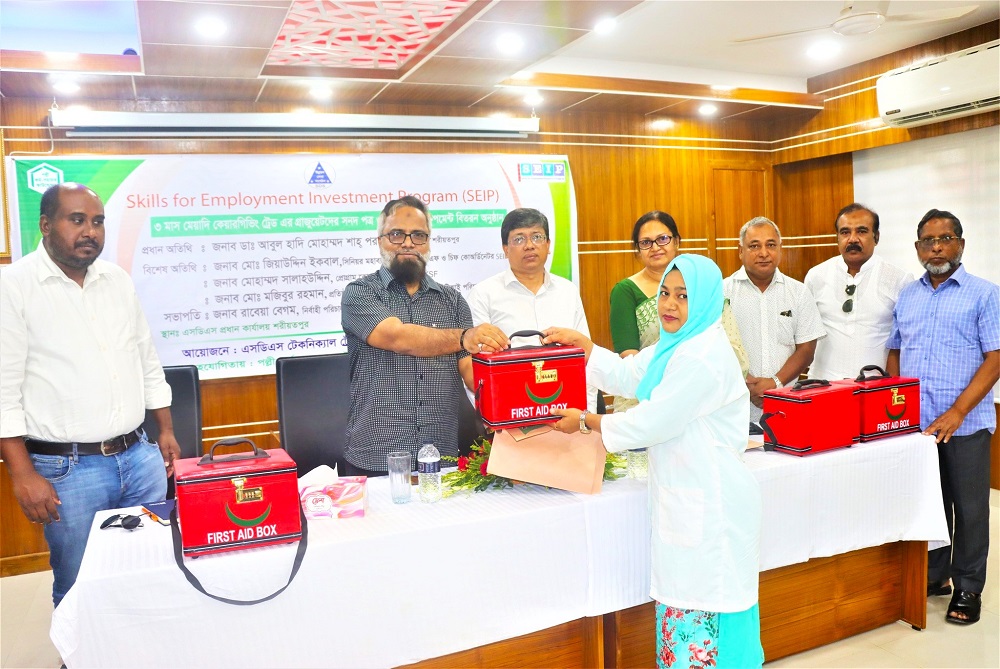
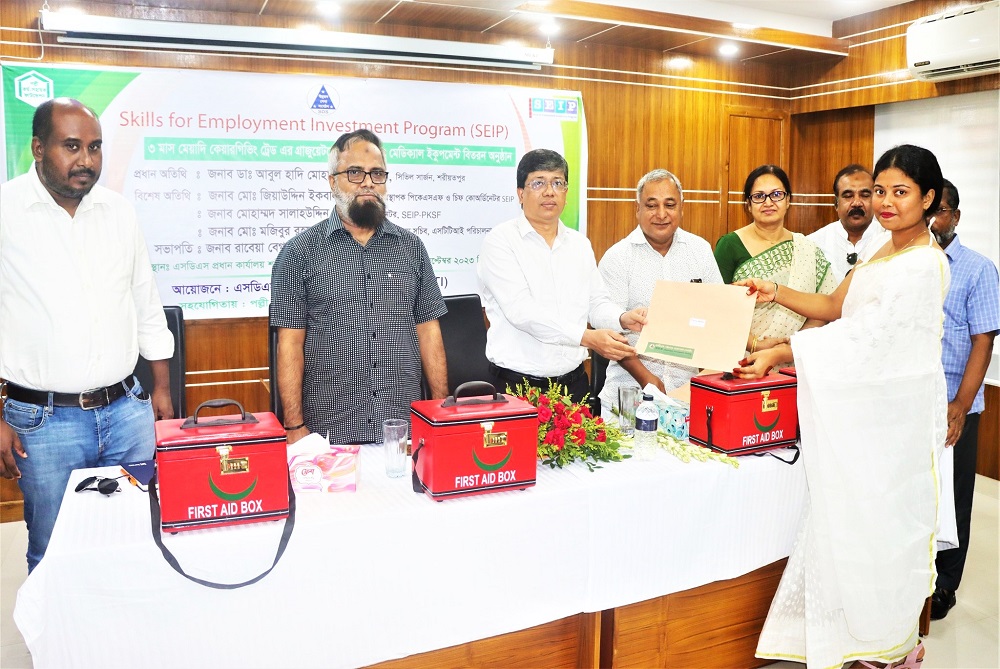
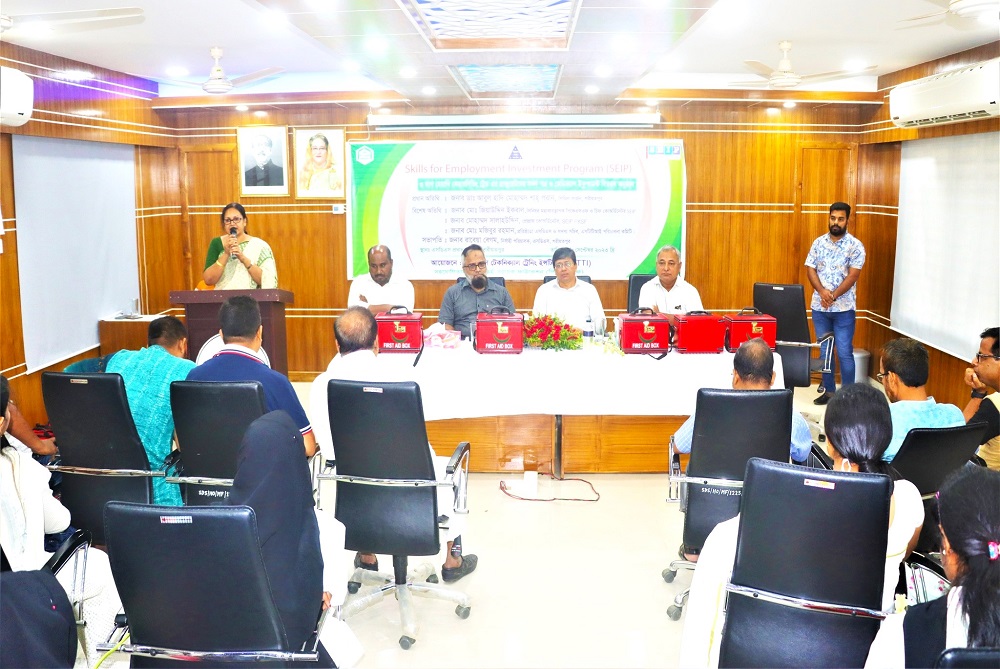
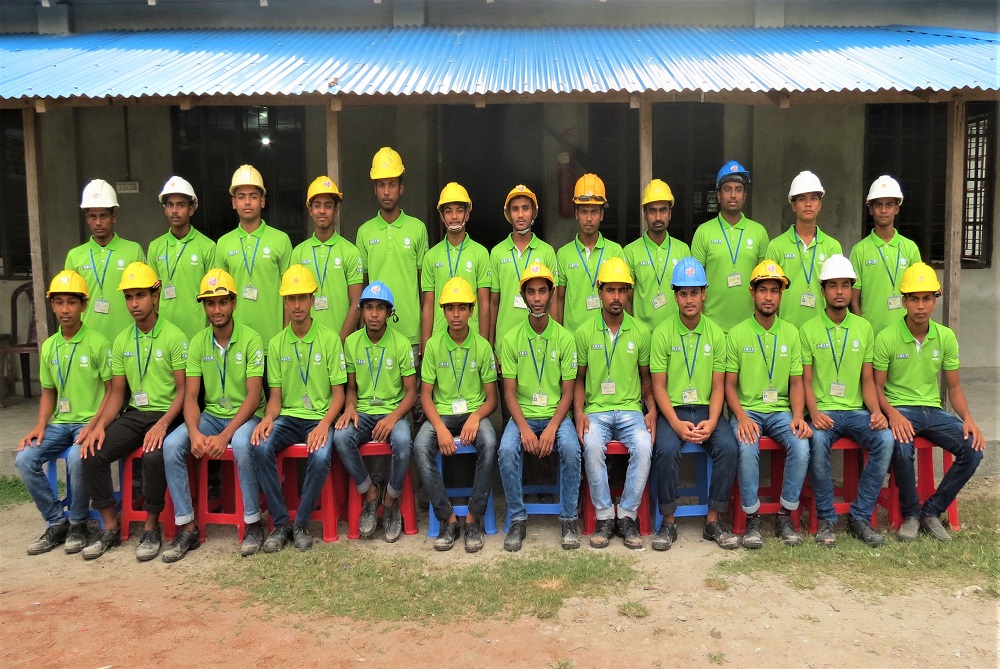
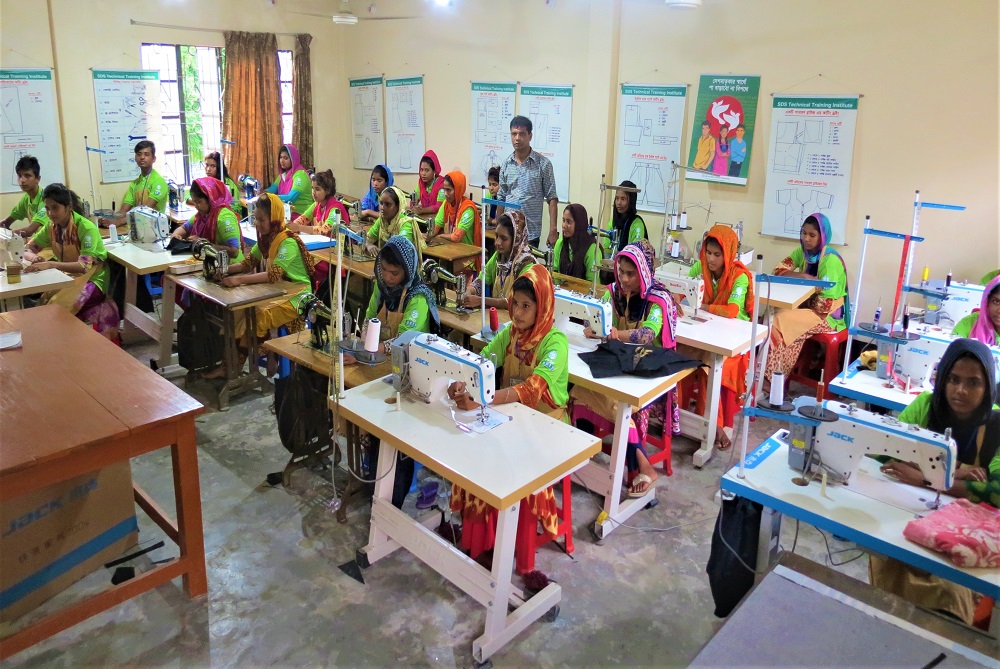
Project Objective: The primary objective of the Skills for Industry Competitiveness and Innovation Program (SICIP) is to build a technology-ready workforce by expanding high-quality, inclusive technical training. It bridges the gap between academic learning and modern industrial demands to boost national productivity and economic.

Project Goal: The SICIP will establish a complete quality assurance mechanism to facilitate collaborations between training institutes and industries which will ensure in developing human resources for the priority industry sectors.

Project Brief: The Government of the Peoples Republic of Bangladesh is implementing the “Skills for Industry Competitiveness and Innovation Program (SICIP)” through the Finance Division as the executing agency to nurture skilled workforce for technology adoption and innovation. The Asian Development Bank (ADB) is financing this Results-Based Lending (RBL) program to support the Government of Bangladesh’s “Skills Development Framework for Economic Competitiveness 2023”. The success of Finance Division in executing the Skills for Employment Investment Program (SEIP) has encouraged both ADB and the Government of Bangladesh to assign the Finance Division as the executing and implementing agency of the SICIP. Total Program cost is USD 375 Million (ADB $300 million and GoB $75 million) and program period is from October 2023 to June 2029. Total trainee targets of the program are 2,20,000 (appx) with job placement of 65% of the new entrants.
The program aims to increase the technology-oriented skilled workforce across emerging and priority sectors, promote inclusive skilling and upskilling opportunities for women and socially disadvantaged groups, incentivize industry−university partnerships to nurture innovation capacity and improve industry competitiveness, and foster skills for climate-resilient manufacturing processes and green technologies.
The overall impact of SICIP will be a technology-ready workforce developed for a diversified and innovation-driven economy.
The outcome of the program will be an increased technology-oriented skilled workforce for priority and emerging industries across skill levels.
The SICIP consists of four outputs:
• Output1: Capacity for advanced technical skills training developed for emerging and priority sectors.
• Output 2: Managerial capabilities and green innovation capacity strengthened.
• Output 3: Access to socially inclusive skilling and upskilling expanded; and
• Output 4: Institutional capacity for skills monitoring and management enhanced.

Working Area: • All Bangladeshi can participate with this program.
• If Applicant from SDS Working Areas (District & Upa zilla) will get priority during selection period.

Beneficiaries:

• Unemployed & Underprivileged Youth: Individuals aged 15 and over holding a valid NID/Birth Certificate who are seeking skill development in high-demand technical trades.
• Women: Targeted groups (at least 30% of total enrollee quotas) receiving specialized, multi-skilling, and green-skills training to boost female economic empowerment.
• Socially Disadvantaged & Marginalized Communities: Dedicated quotas for persons with disabilities (PWD), the third gender/transgender community, orphans, and small ethnic communities.
• Migrant Workers: Individuals enrolled in specialized international certificate courses prior to leaving for jobs abroad.

Major activities:

The Skills for Industry Competitiveness and Innovation Program (SICIP) in Bangladesh focuses on ;
• advanced technical training.
• green innovation, and inclusive skilling across emerging priority for industries.
• job placement Activities (Counselling & Assistance for buildup Enterprise)
• Achive job PlacementTarget(65% )
 

Youth Climate Catalysts

Project Name: Youth Climate Catalysts: From vulnerability to vitality  youth growing stronger futures.

Project Objective: To support adolescents and youth in coastal Bangladesh to plan and implement climate and environment-smart projects, livelihood schemes, and advocacy actions.

Project Goal: To empower adolescents and youth in coastal Bangladesh to lead climate adaptation and build community resilience.

Project Brief: This project is a comprehensive effort to build climate resilience and sustainable livelihoods by positioning adolescents and youth (aged 12-24) as the main drivers of change. The initiative unfolds across four interconnected stages, beginning with Youth-Led Climate Action and Capacity Building. This foundational stage involves forming youth clubs and equipping them with critical knowledge in climate change, environmental stewardship, disaster risk reduction (DRR), and child rights. Empowered youth then lead community assessments, develop adaptation plans, and execute awareness campaigns to establish themselves as visible agents of change.
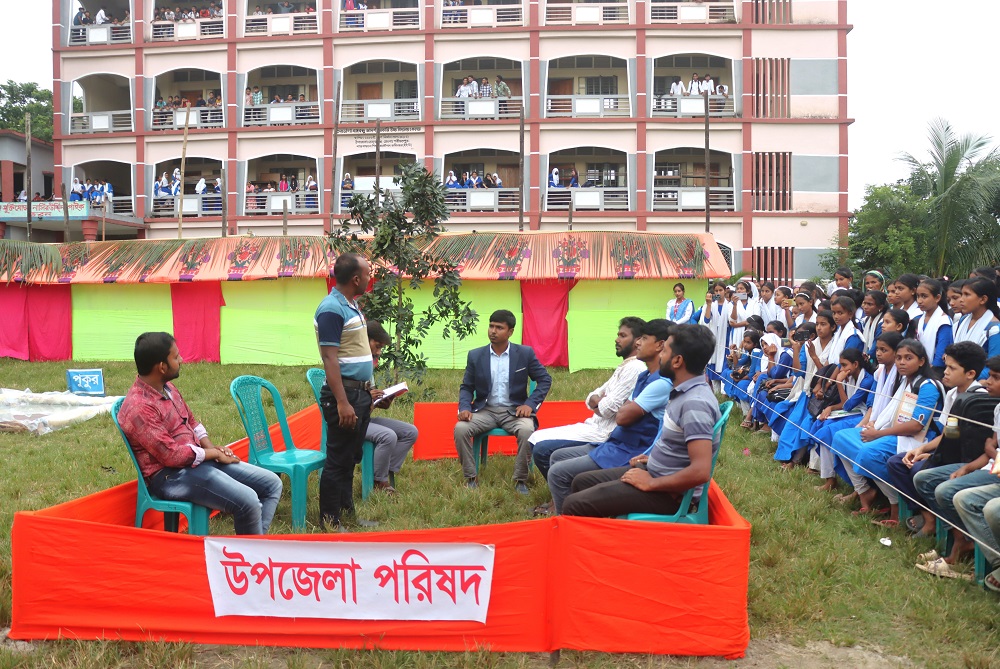
Next, the focus shifts to Community-Led Climate Adaptation Projects. This highly participatory stage involves joint workshops to identify local adaptation needs, followed by a formal call for proposals. Technical support and grant funding are provided for 20 selected projects to bridge the financial gap for grassroots efforts. Ongoing support and a rigorous monitoring system ensure the success and sustainability of these community-led initiatives.
To enhance economic resilience, the project develops Climate-Friendly Livelihoods. This crucial stage involves market research to identify and pilot viable, low-carbon economic schemes, such as sustainable agriculture. The successful schemes are then formalized with comprehensive business plans to boost local economic resilience against climate shocks.
Finally, the project ensures local successes translate into systemic change through Youth-Led Policy Advocacy. A specialized Advocacy Team uses evidence gathered from local projects to prepare a policy brief and organize regional workshops. This culminates in youth participation in a national-level advocacy event, ensuring grassroots insights directly influence national climate policies.
The project targets 5000 Children, Adolescents & Youth (CA&Y) across two sub-districts and engages government line departments and policymakers as indirect participants to ensure their local efforts inform national strategy. The implementation is overseen by Educo Bangladesh and executed by two local partners with significant experience in the field.

Working Area: Shariatpur Sadar, Shariatpur.

Beneficiaries: Adolescent, Youth, Parents, Teachers, LGI’s Representatives 

Major activities:

1. Formation/reformation of A&Y groups
2. Bi monthly meeting on CA&Y
3. Conduct an A&Y-led environmental assessment in each community and prepare risk reduction and resilience action plans engaging the community and relevant stakeholders (quarterly coordination meetings with DMCs and relevant service providers)
4. Facilitate and support A&Y clubs to develop and implement youth led CCA & ES plans
5. Orientation on climate change, environmental stewardship, and DRR and child rights
6. Support A&Y for preparing video clip and editing (cost for videographer and editing)
7. Organizing environmental campaign at school and colleges
8. Organize yearly stakeholder meetings for project reflection
9. Local level youth conference on climate/environmental issues and possible solutions
10. Learning sharing workshops
11. Conduct a workshop to identify potential adaptation projects in collaboration with the local community
12. Funding for the selected 20 projects through grants
13. Monitoring meeting to track the progress, impact, and sustainability of each project.
14. Conduct market research to identify viable, climate-friendly livelihood schemes that align with local skills and resources (e.g., sustainable agriculture, renewable energy installation)..
15. Conditional Funding for pilot 10 of the most promising schemes to test their profitability and scalability
16. Develop business plans and financial models for each of the schemes, highlighting their social and environmental impact.
17. Formation meeting of Research/advocacy Team with the representatives of adolescents and youth clubs
18. Prepare a policy brief and an advocacy workshop at the regional level.
19. Support youth representatives to attend the advocacy event at the national level.


CLIMATE

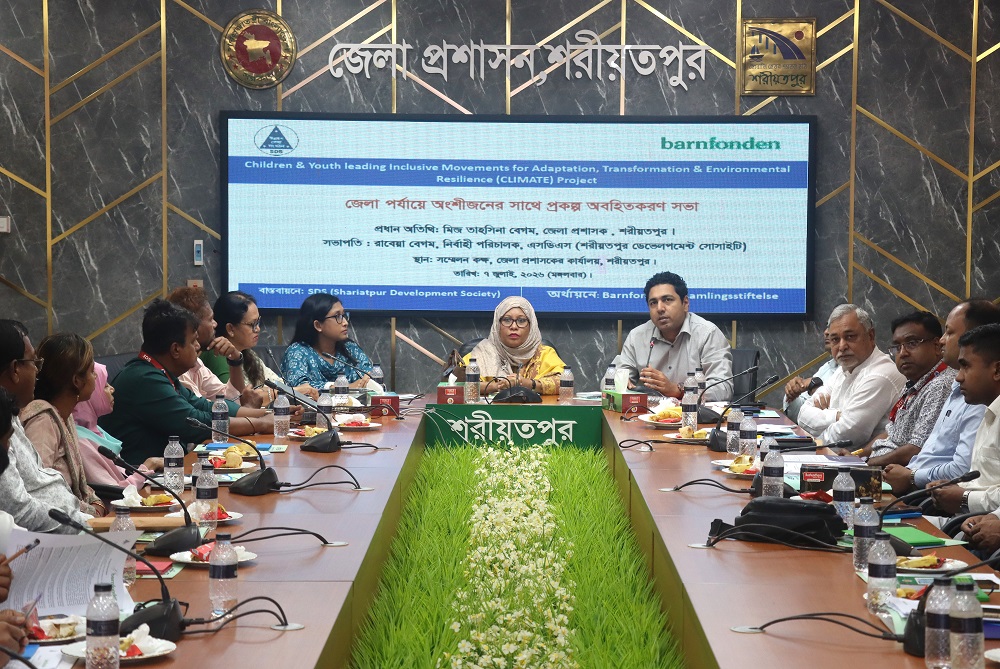
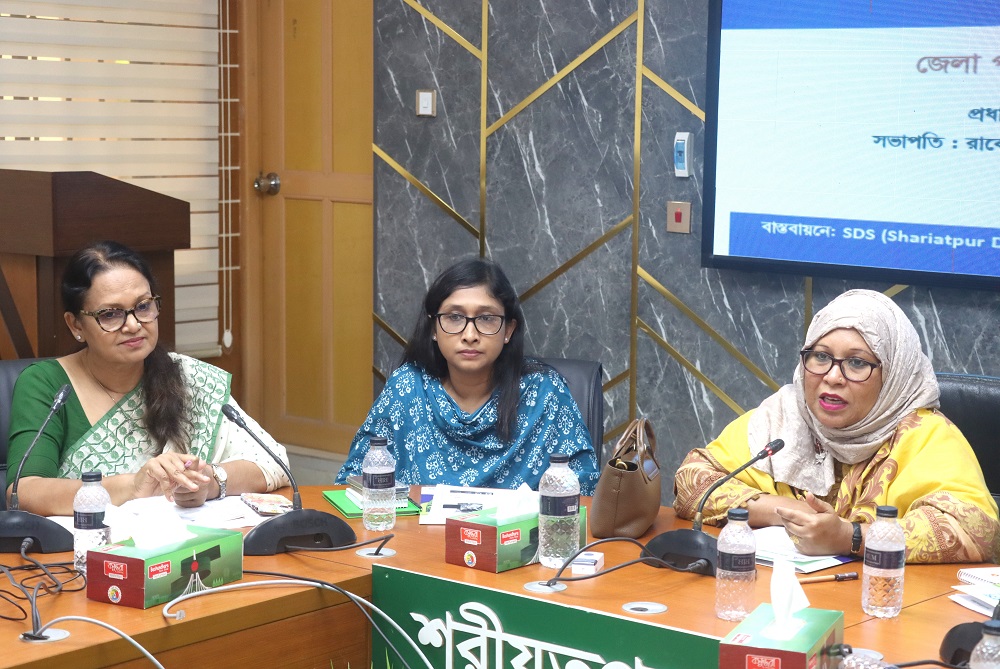
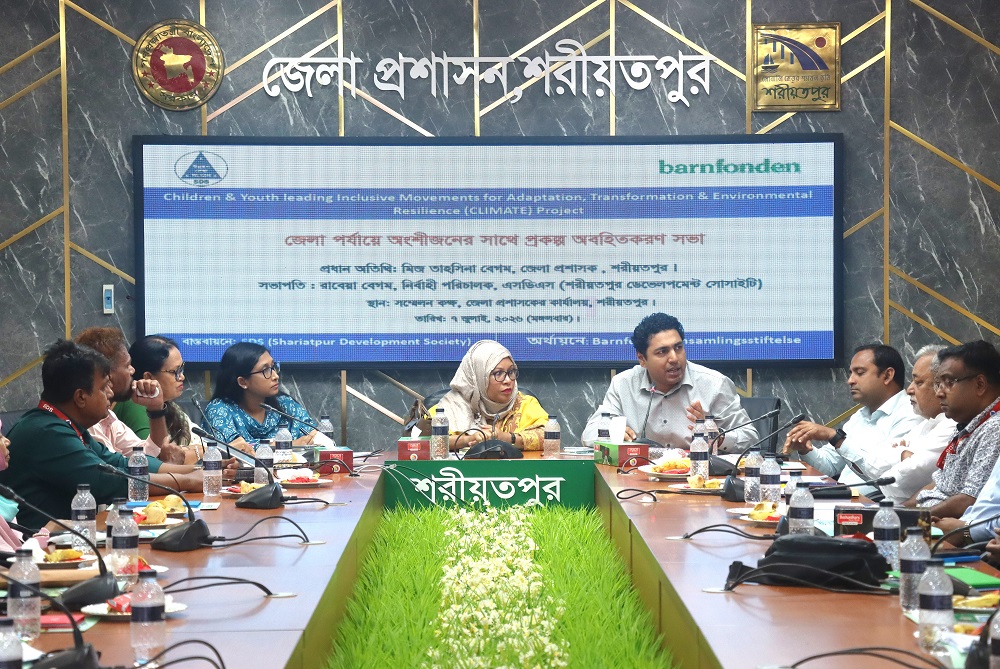
Project Name: Children & Youth Leading Inclusive Movements for Adaptation, Transformation & Environmental Resilience (CLIMATE)

Project Objective: • Children, youth, communities and CSOs have improved knowledge and leadership by accessing high-quality climate, biodiversity, environmental education and disaster management.
• Children, youth, communities and CSOs engage in inclusive, rights-based climate and environmental advocacy and strengthen community-based, child centered and youth-led climate adaptation and DRR systems.
• Communities strengthen their resilience and preparedness by adopting climate-smart livelihoods, green skills, and anticipatory adaptation measures that reduce climate risks.
• SDS has strengthened organizational systems, practices and capacities to effectively plan, implement, safeguard and monitor inclusive, child- and youth-centred climate adaptation and resilience interventions.

Project Goal: To empower youth and children, especially girls, adolescents, and persons with disabilities to become leaders of inclusive climate adaptation and environmental resilience in Shariatpur’s most climate vulnerable river-eroded areas.

Project Brief: The CLIMATE project is designed to address the escalating risks of climate change and disasters in Shariatpur, with a focus on Naria and Zajira upazilas. While disaster management committees exist at the union and ward levels, they are often under-resourced, irregular, and lack strong community linkages. In erosion-prone areas, communities remain unorganized, untrained, and disconnected from these structures, leaving them vulnerable. The project aims to organize, train, and mentor children and young people especially girls and marginalized groups and connect them to local disaster management bodies and civic platforms. This will enable youth to lead efforts in awareness raising, early warning, preparedness, and local planning for climate adaptation and disaster risk reduction. The project is strongly aligned with Bangladesh’s key national priorities on climate, education and youth. It directly supports the Bangladesh Climate Change Strategy and Action Plan (BCCSAP) by promoting community-led adaptation, resilient livelihoods and gender-responsive, child-sensitive DRR in erosion- and flood-prone river belts. By organising youth groups, promoting nature-based solutions, and strengthening local early warning and preparedness, the project also advances the National Adaptation Plan (NAP) 2023–2050, especially its focus on resilient youth livelihoods, locally-led adaptation and child-centred climate action. Additionally, the project will work with communities, schools, and local government institutions to promote inclusive, child-sensitive, and environmentally sustainable practices, transitioning Shariatpur from reactive crisis response to a proactive, locally-led, child-centered approach to climate and disaster governance. By empowering young people as key actors, the initiative seeks to build long-term resilience, uphold their rights, and foster sustainable community development.

Working Area: The project is located in two sub-districts / Upazilas of Shariatpur District: Zajira and Naria sub-districts / Upazilas. Within these two sub-districts / Upazilas, five unions are targeted (Zajira Union, Kunderchar Union and Purba Naodoba Union under Zajira Sub District / Upazila and Char Atra Union and Noapara Union under Naria Sub District / Upazila). In each union, there are 9 Wards.

Beneficiaries:

Children and youth, especially girls, adolescents, and People with disabilities (PwDs).

Major activities:

• Develop/adapt training modules on climate, biodiversity and environmental education.
• Develop youth groups and school-based child groups.
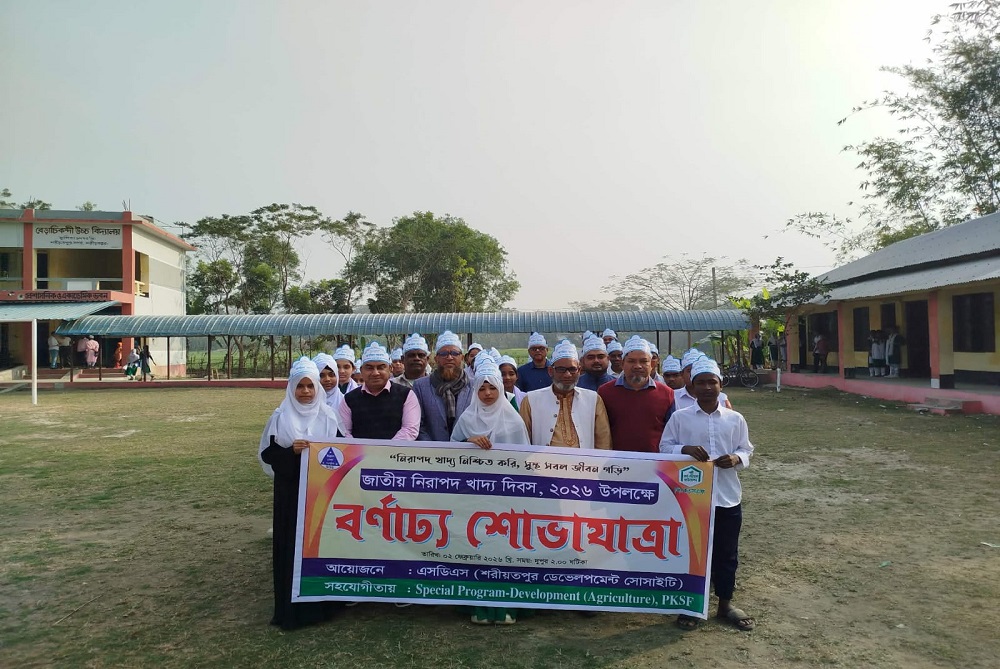
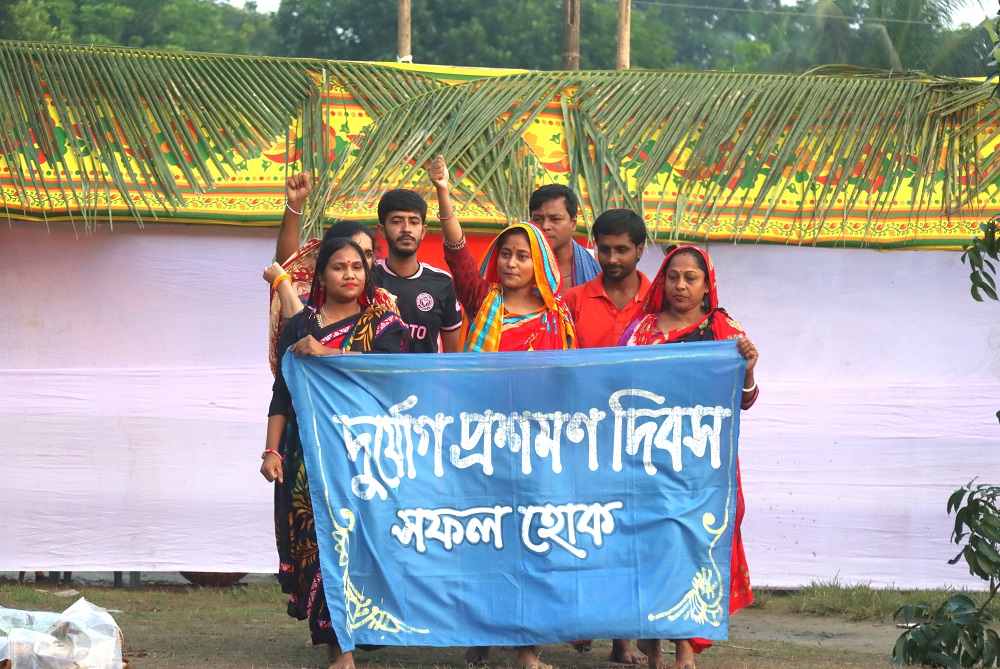
• Observe national and international days to raise awareness.
• Conduct training and refresher for teachers on education resources.
• Conduct youth leadership training to the selected youths and CSO members.
• Identify, train and equip youth volunteers for disaster risk management.
• Training on disaster risk management for formal/informal duty bearers.
• Develop knowledge products, videos, IEC, BCC materials for knowledge management.
• Representing children and youth leaders to national/international advocacy platforms.
• Organize disaster management meetings with Ward Disaster Management Committee, Union Parishad Disaster Management Committee, Upazila Disaster Management Committee and District Disaster Management Committee.
• Conduct Vulnerability Risk Assessment (VRA) and develop community action plans.


Special Program-Development (Agriculture)

Project Name: Special Program-Development (Agriculture)​

Project Objective: Its main objective is increase crop production, support poor farmers, create employment and reduce poverty.

Project Goal: Its goal is to develop sustainable agriculture, ensure food security, increase farmer income, good agriculture practice and advanced technology.

Project Brief: Special Program-Development (Agriculture) focuses on
1. Increase crop, fisheries and livestock production.
2. Support small and marginal farmers with credit and technical service.
3. Promote climate-resilient and sustainable farming methods.
4. Develop market linkages and value chains for farm products.
5. Generate employment and reduce rural poverty.
6. Improve food safety and nutrition security.
7. Distribution of agriculture loans and input support
8. Farmer training on modern cultivations methods.
9. Promotion of high-value crops, fruits, fisheries and livestock.
10. Safe food production using organic inputs.
11. Processing, storage and marketing support.
12. Cluster farming and cooperative development.

Working Area: District: Shariatpur, Sub district: Shariatpur sadar, Zajira, Bhedorganj and Noria

Major activities:

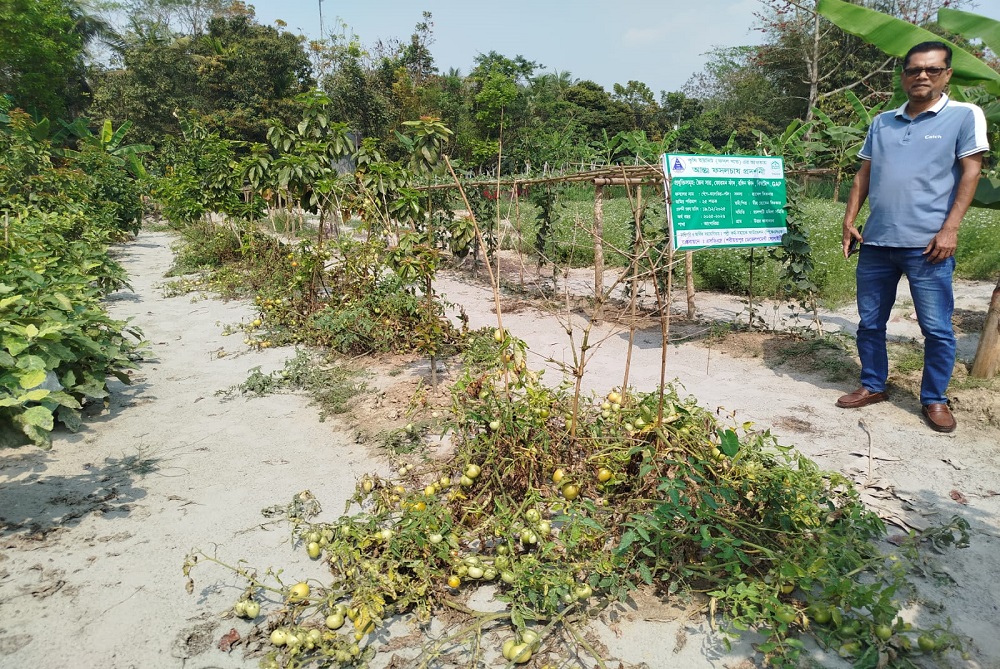
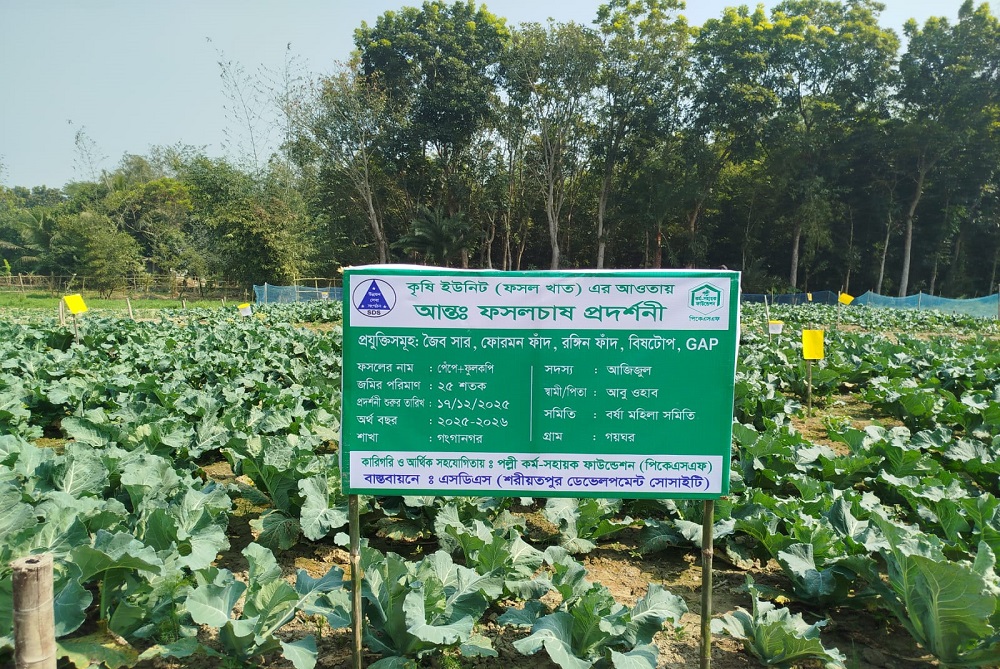
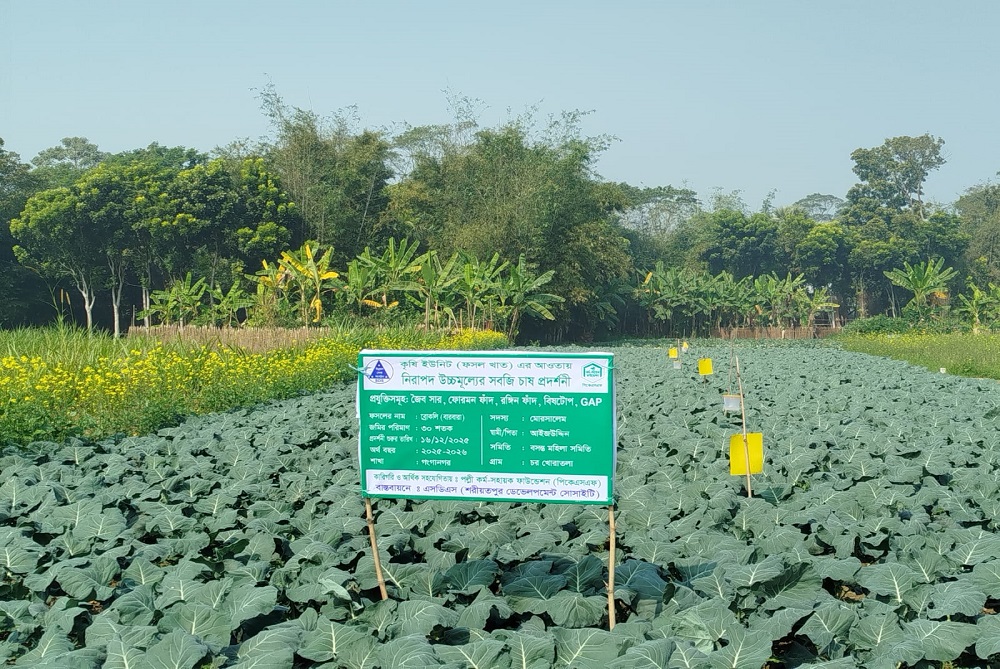
1. Safe high valued crop cultivation.
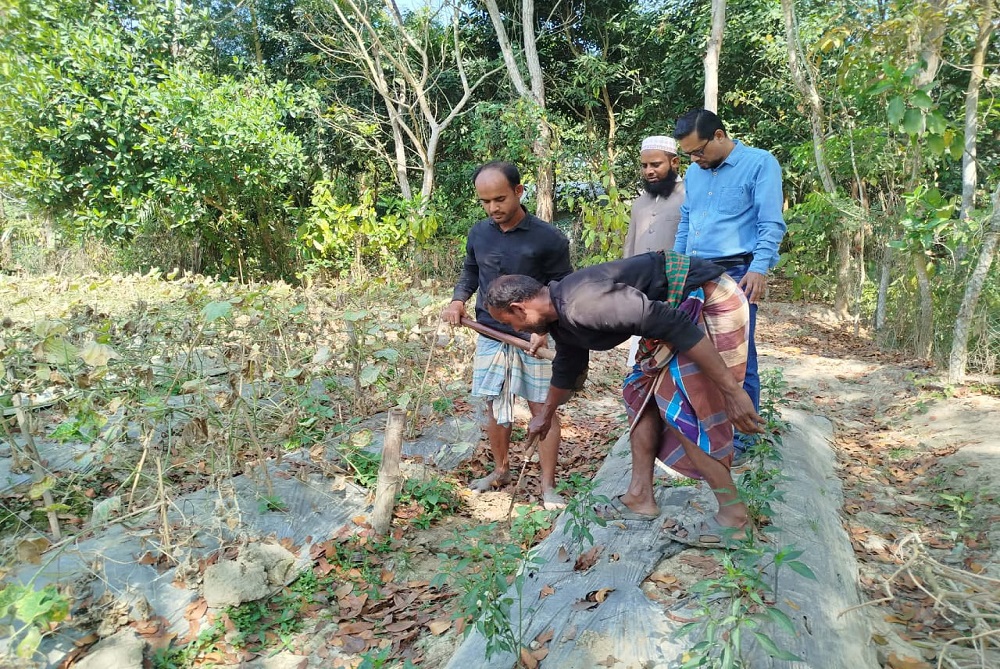
2. Vegetable cultivation using mulching sheet.
3. New high yield verities crop cultivation.
4. Climate tolerance crop cultivation.
5. High valued orchard develop.
6. Inter cropping.
7. Practice cropping pattern.
8. Homestead gardening using agro eco-logy farming method.
9. Zinger cultivation in sag.
10. Production and marketing of diverse new products.
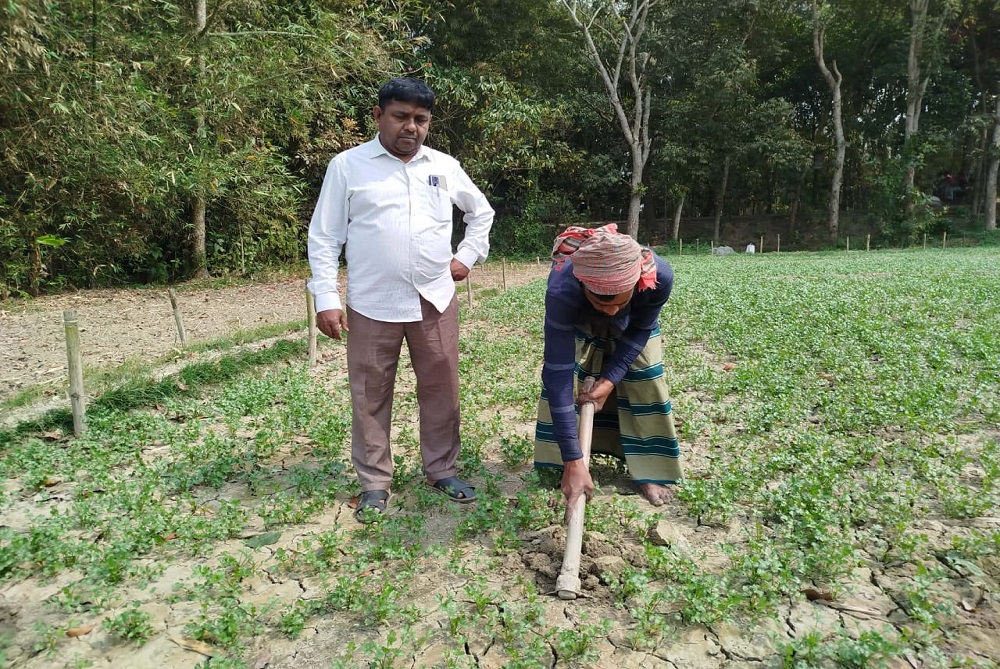
11. Farmers training.


Start Network Solidarity Program

Project Name: Start Network Solidarity Program

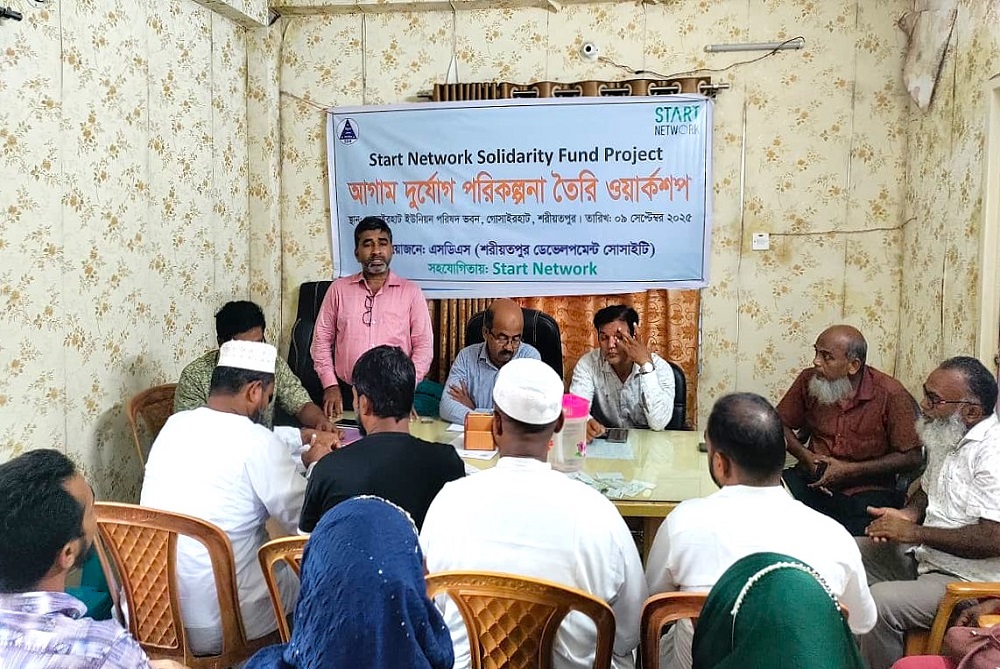
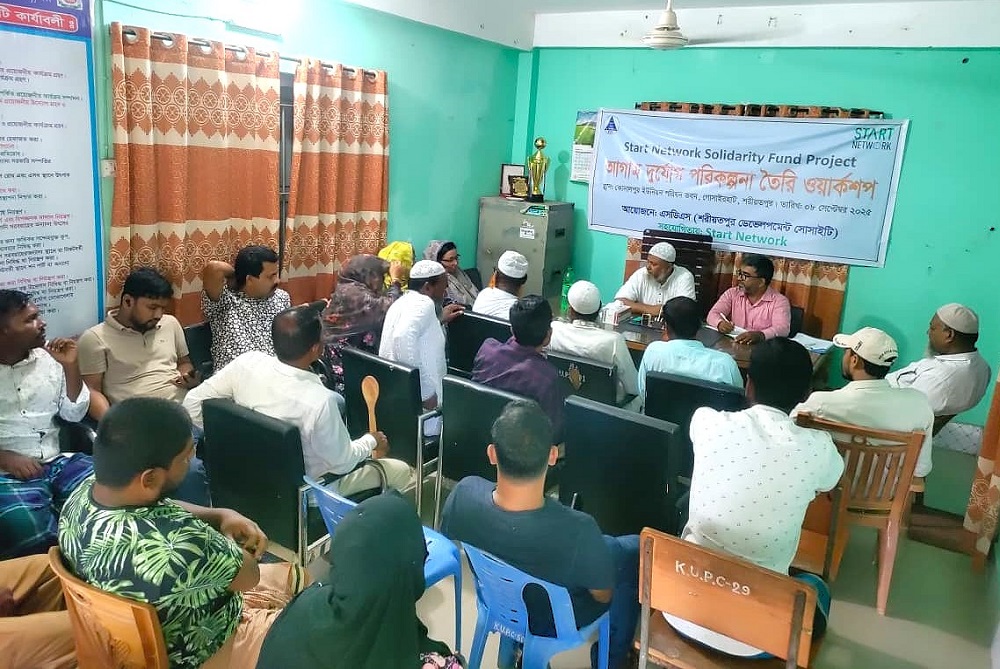
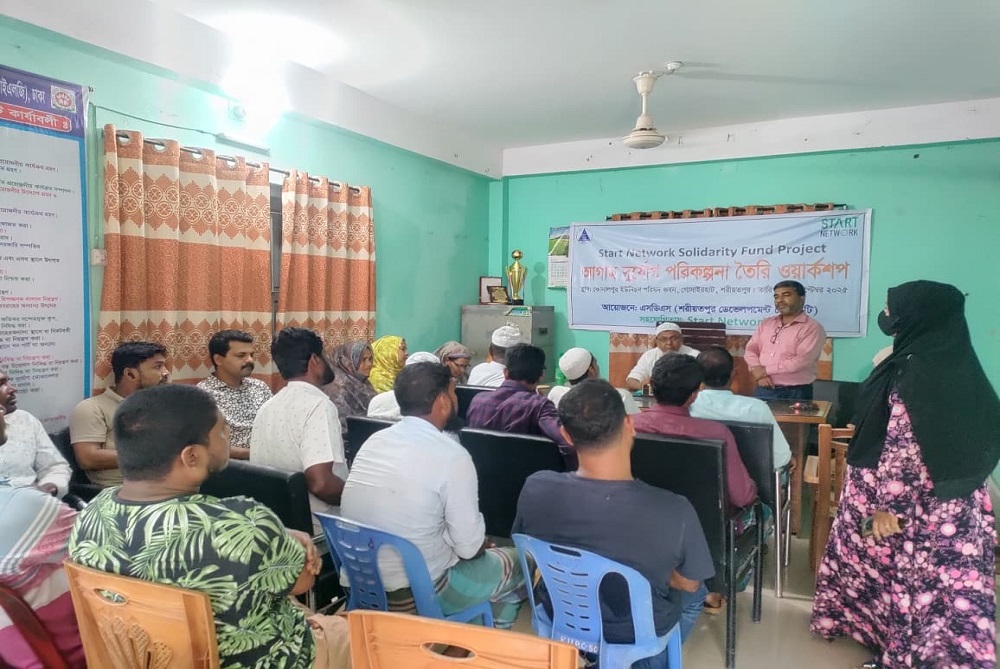
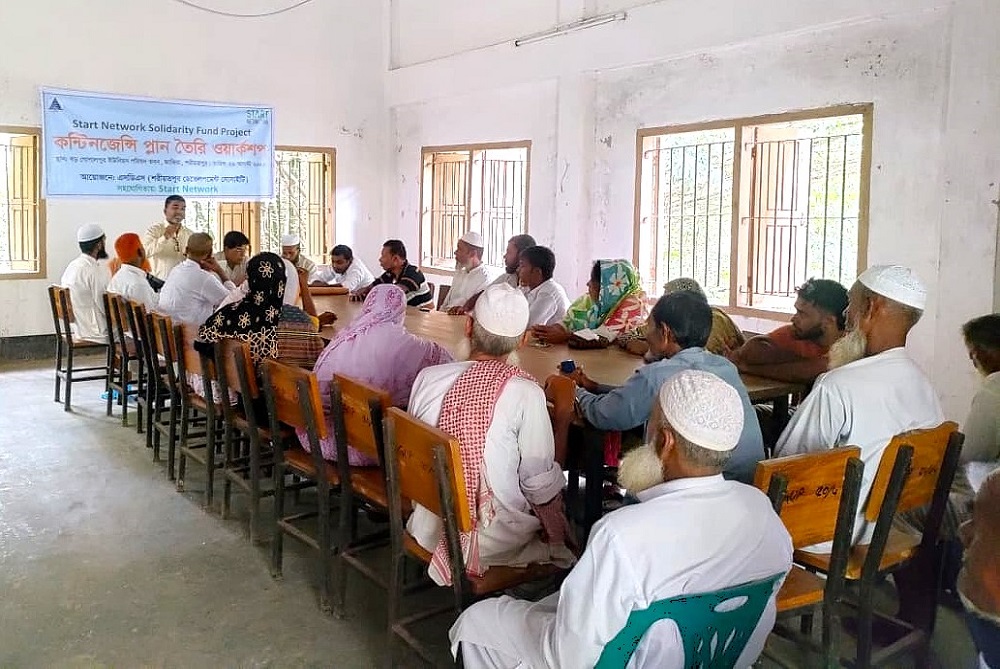
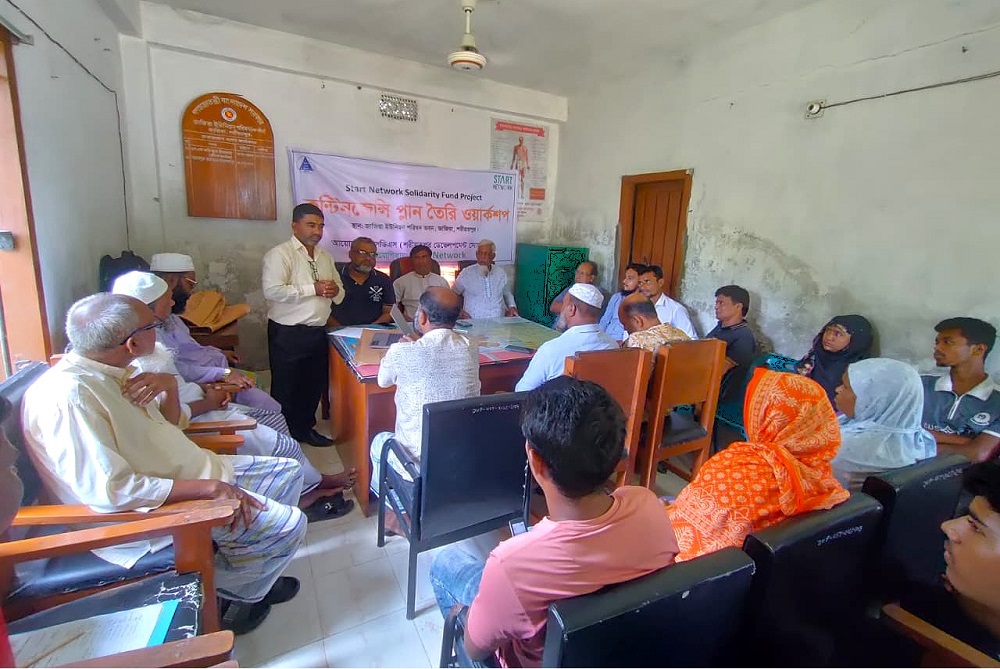
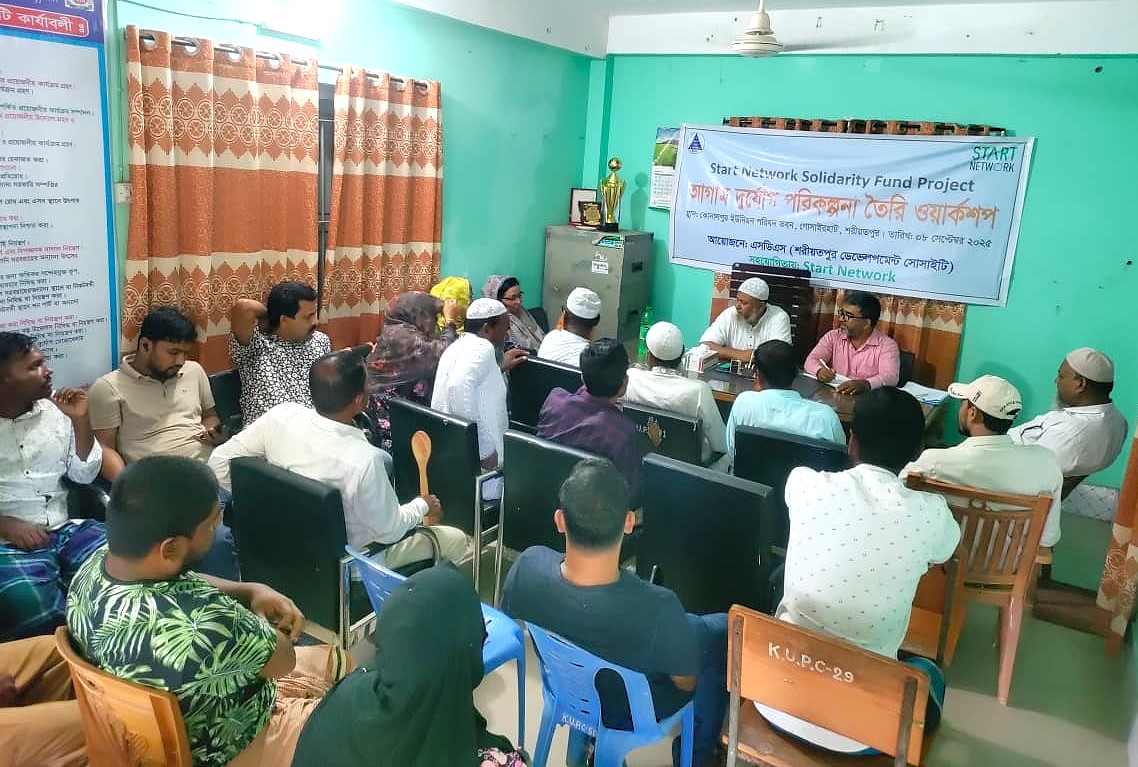
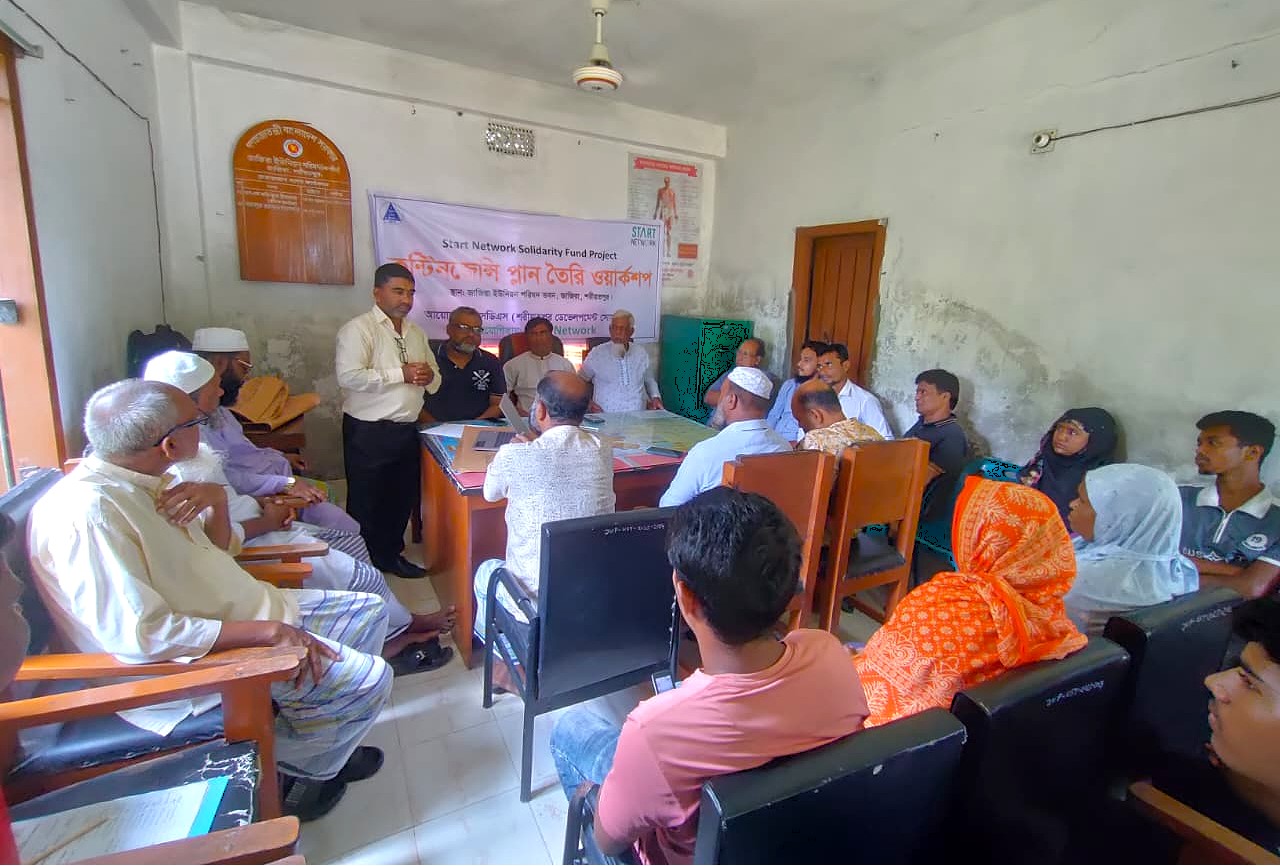
Project Objective: 1. Raising Social Awareness: Increase awareness among vulnerable families through various trainings and publicity campaigns. 2. Enhancing the Capacity of Disaster Management Committees: Strengthen the skills of individuals involved in disaster management at the district, upazila, and local levels, and make them aware of their responsibilities and duties. 3. Planning and Implementation: Develop and implement pre-disaster plans to minimize the extent of losses and damages.

Project Goal: Due to the closure of funding for the BPEMS Agragati Project implemented through SDS, activities will now be carried out through the Solidarity Fund to raise disaster awareness among 1,800 climate-affected families. In addition, the initiative will focus on enhancing the capacity of disaster management committees and raising awareness among them in order to reduce the losses and damages caused by disasters.

Project Brief: SDS (Shariatpur Development Society) has been implementing various development projects in Shariatpur as well as in different districts of the country for a long time. As part of this effort, SDS is going to implement a project through the START NETWORK Solidarity Fund with the aim of providing climate-resilient improved agricultural information to vulnerable farming households affected by climate change, strengthening their capacity to cope with post-disaster situations, and supporting at-risk communities in identifying alternative means of livelihood and employment to improve the condition of vulnerable families.
Through this fund, activities will be implemented in eight unions of three upazilas in Shariatpur district (Shariatpur Sadar, Zajira, and Gosairhat). The unions are: Chikondi, Zajira, Joynagar, BK Nagar, Bara Gopalpur, Gosairhat, Nagerpara, and Kodalpur.
Most of the residents in these areas are marginal farmers, fishermen, and boatmen, whose livelihoods depend on the river. However, river erosion has taken away their land, leaving them not only financially devastated but also facing severe psychological stress and the loss of their community identity. These families live in extreme uncertainty and are deprived of basic services such as healthcare, education, and family planning. In particular, women and children are more vulnerable to violence, exploitation, and health complications both before and after displacement

Working Area: Shariatpur Sadar, Zanjira and Goshirhat Upazila of Shariatpur District.

Major activities:

 Enhanced capacity of local disaster management committees to integrate Disaster Risk Reduction (DRR) and Climate Change Adaptation (CCA) into local planning and response activities.
 Context-specific, actionable contingency plans developed and adopted at multiple administrative levels for improved preparedness and coordinated disaster response.
 Increased awareness and knowledge among key stakeholders on early warning systems, climate-resilient agriculture and aquaculture practices, and TIP (Trafficking in Persons) advisories, leading to informed decision-making and community actions.
 Functional, inclusive early warning systems established and operational at the community level, ensuring timely dissemination of disaster alerts to vulnerable populations
 Tailored Information, Education, and Communication (IEC) materials produced and distributed to promote awareness and understanding of DRR and CCA among community members and local institutions.
 A trained cadre of community-based flood preparedness volunteers capable of supporting local response actions, disseminating early warnings, and assisting during flood events.


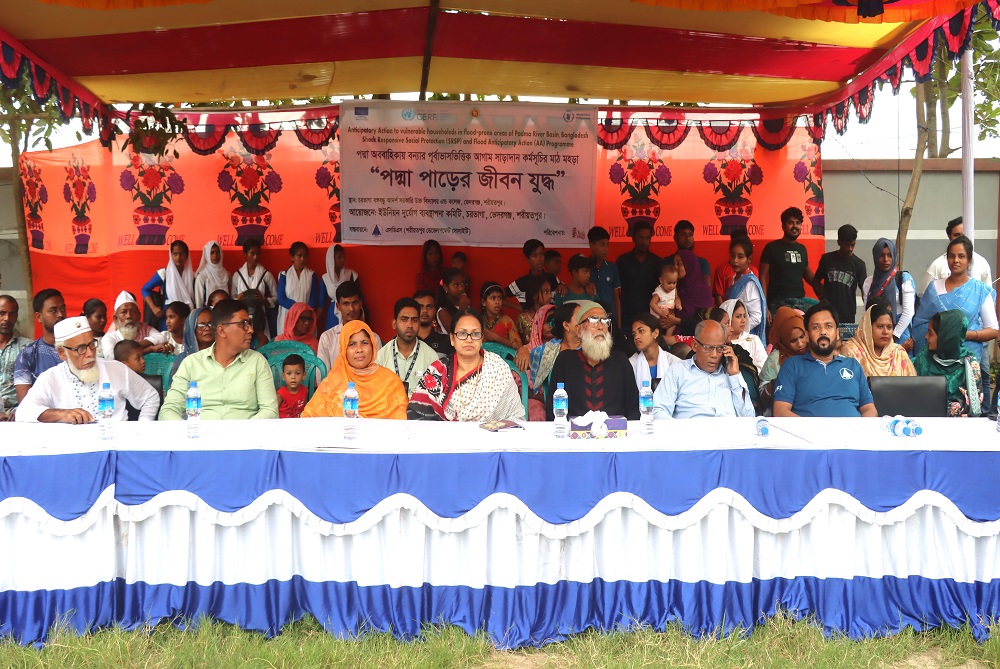
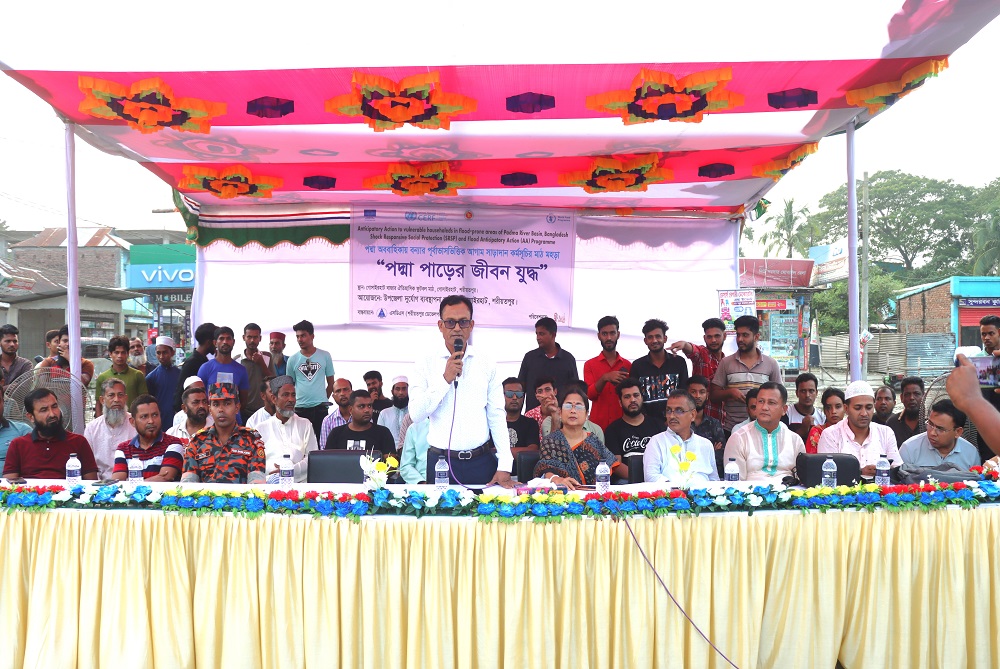
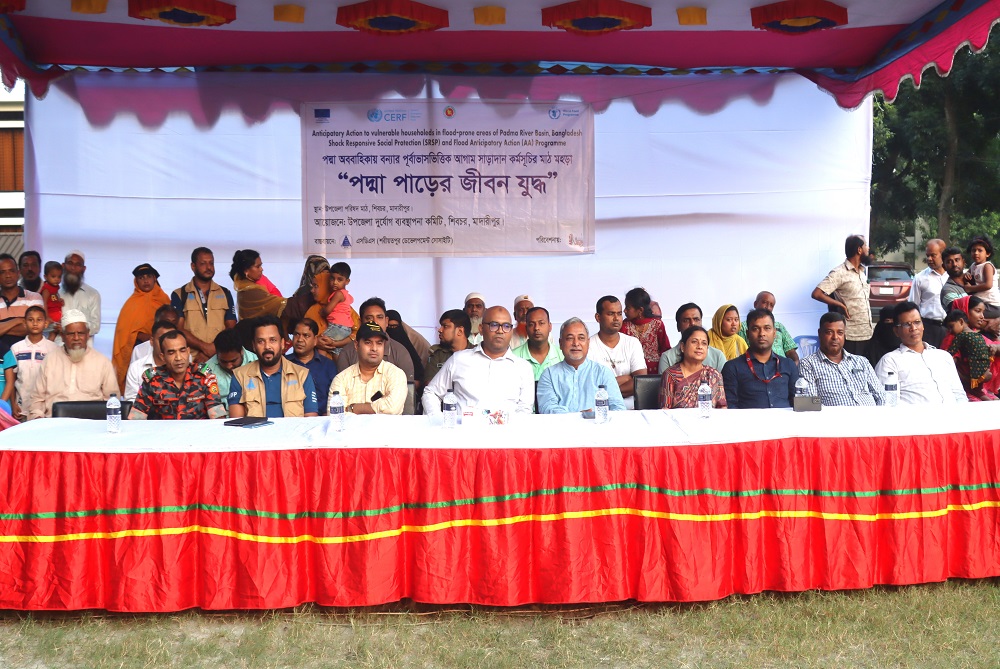
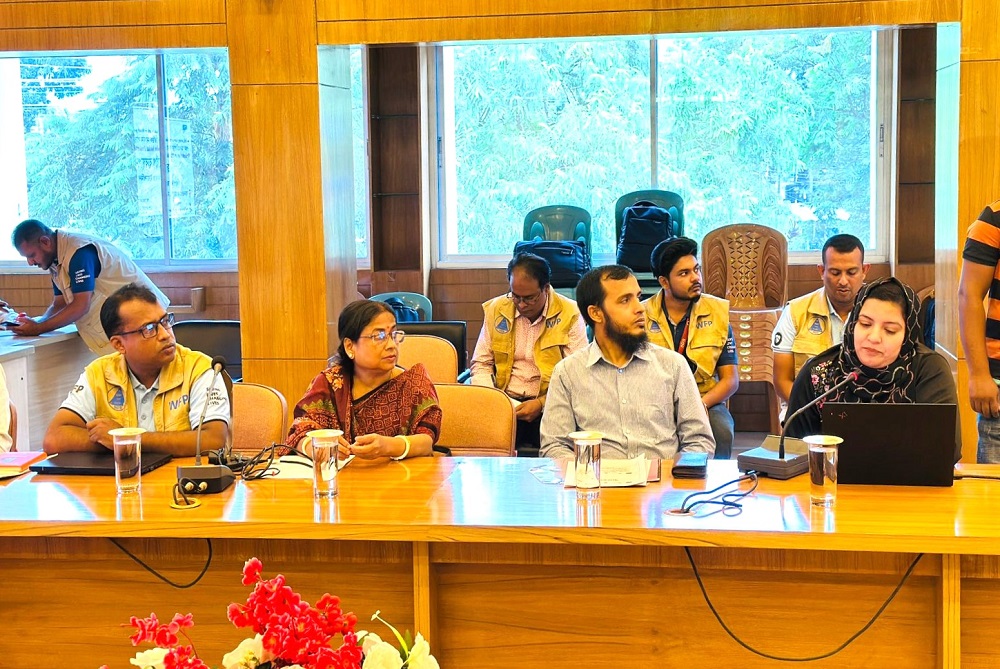
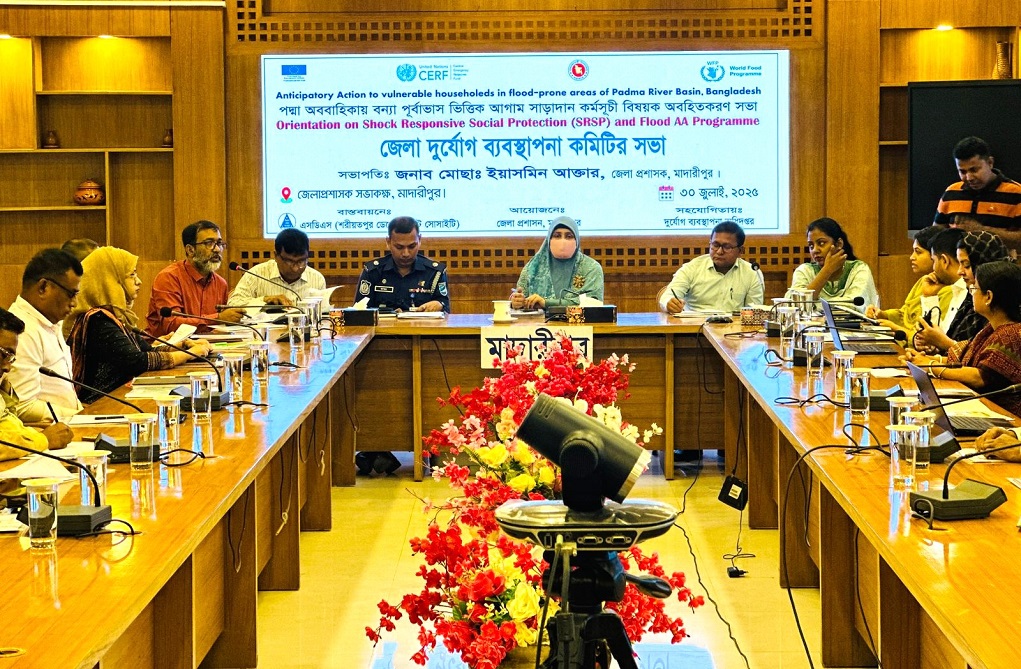
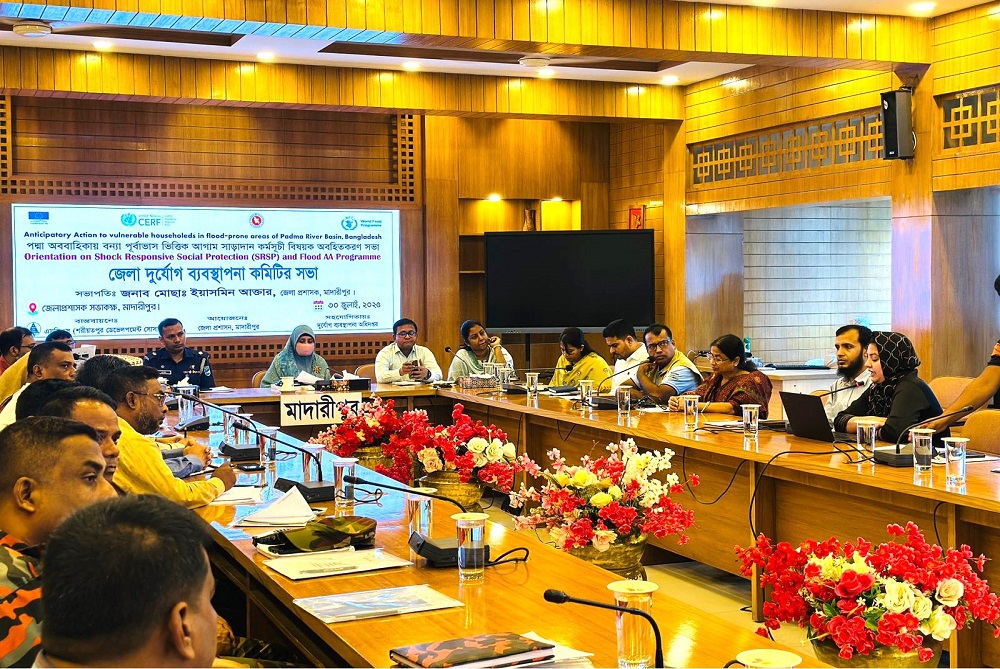
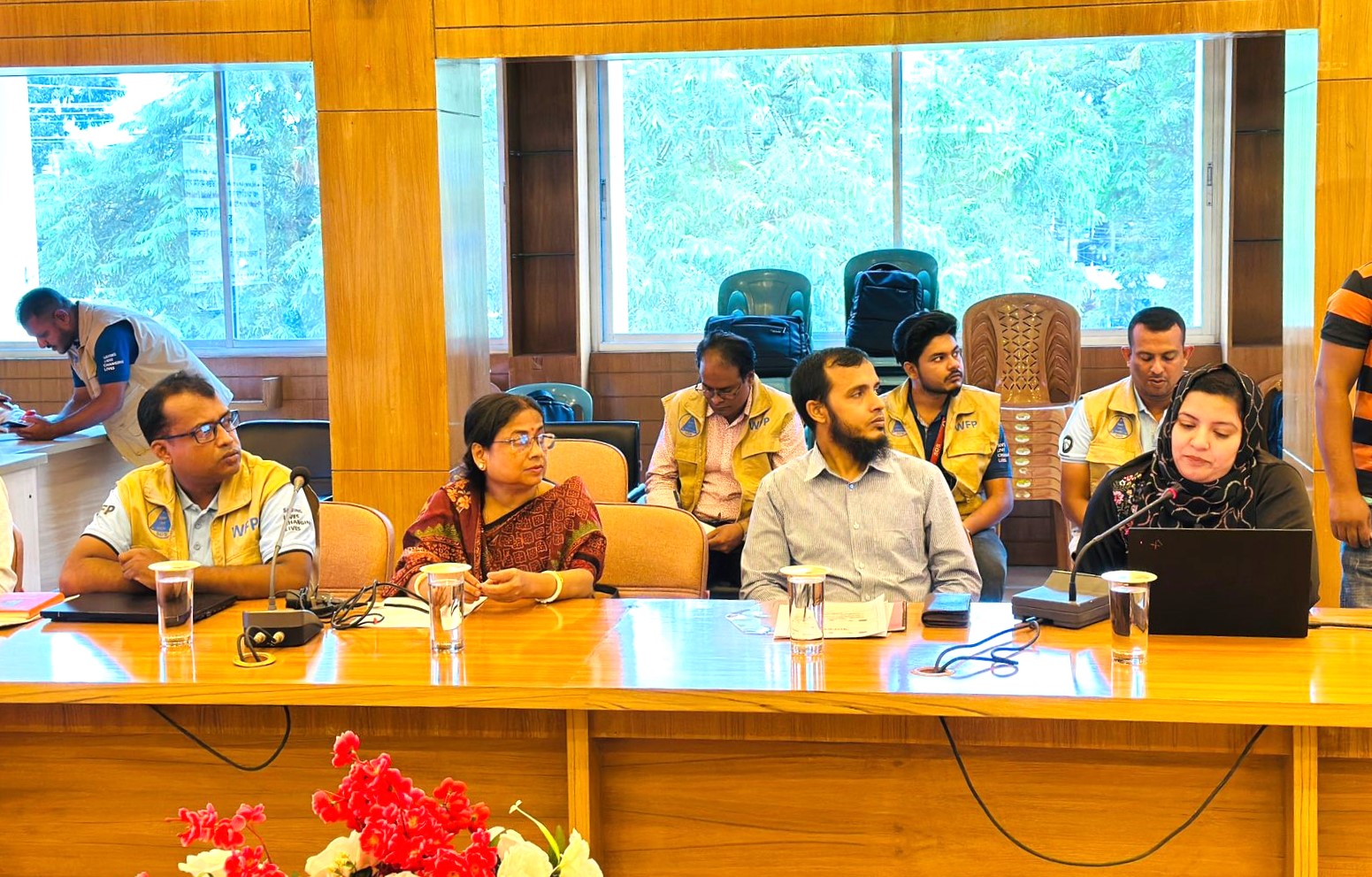
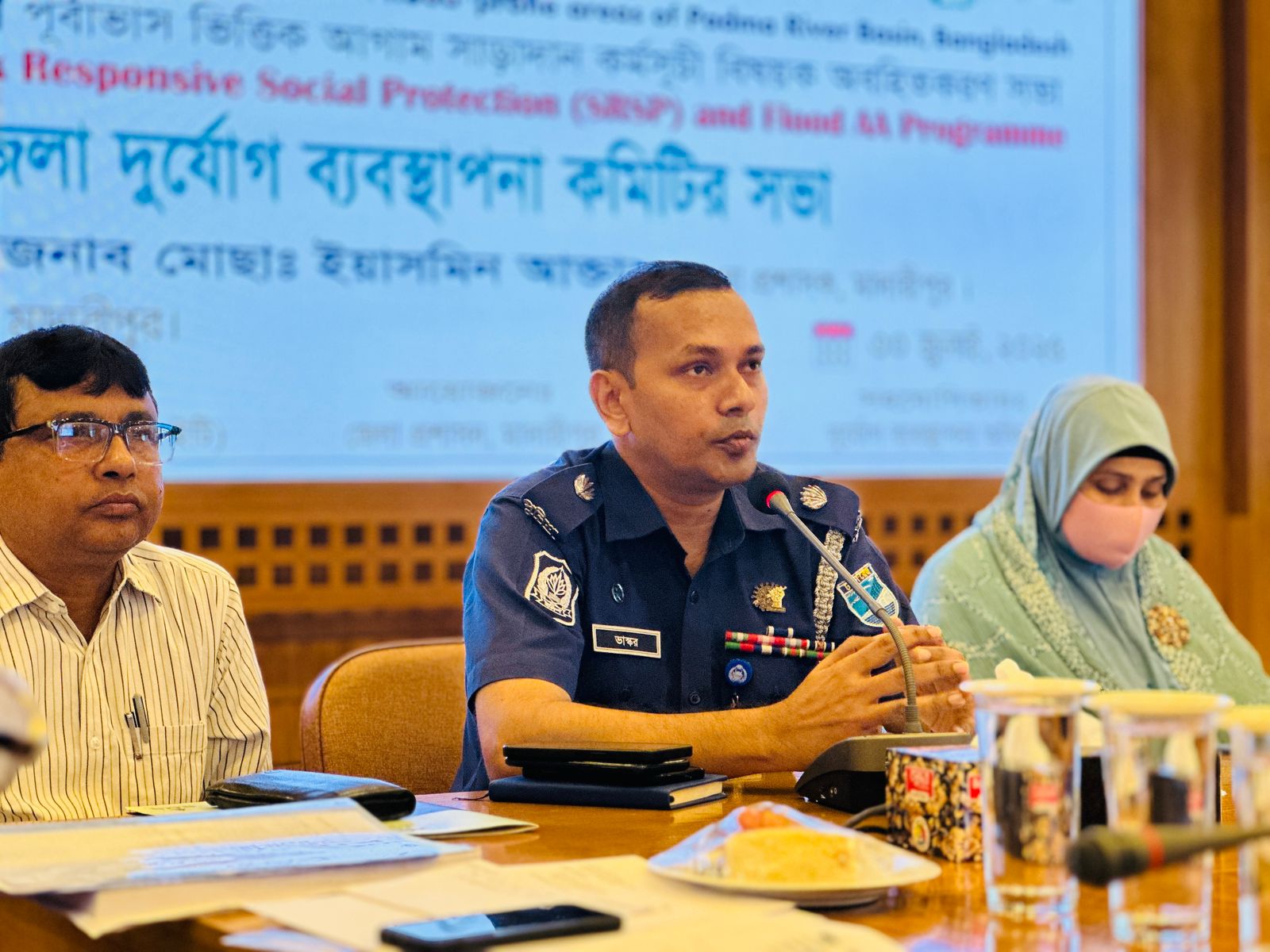
Shock Responsive Social Protection (SRSP) and (AA) Programme

Project Name: Shock Responsive Social Protection (SRSP) and (AA) Programme

Project Objective: The objective of the project is to promote a more effective, timely and dignified humanitarian response for beneficiaries in anticipation of flood to enhance the resilience of the flood-affected households in the southwestern region of Bhedarganj, Zanjira, Naria, Gosairhat and Shibchar District.
Project Goal: 1. 25,522 vulnerable HHs for AA and 3,500 HHs SRSP from the 5 Bhedarganj, Zanjira, Naria, Gosairhat and Shibchar Districts after proper verification and validation. 2. The DMCs are oriented about the AA/SRSP of WFP and the Ministry of Disaster Management and Relief of the Government of Bangladesh. 3. Disseminated Early Warning last-mile message at the community level (23 Unions of 5 Upazilas of Bhedarganj, Zanjira, Naria, Gosairhat and Shibchar Districts (as per cyclone triggered information). 4. Shelter management system has been activated to ensure effective use of shelters in line with the early warning levels. 5. Vulnerable households confirmed receipt of their entitlement of cash / non-cash support/interventions of anticipatory actions.

Project Brief: This project aims to proactively support vulnerable communities in the Padma River basin who face recurrent flooding and riverbank erosion. By leveraging early warning systems and predictive flood models, the initiative activates timely interventions—such as cash assistance, hygiene kits, and livelihood protection—before disaster strikes. It targets at-risk households, especially women, children, and persons with disabilities, to reduce displacement, asset loss, and food insecurity. Through coordinated efforts with local authorities and community engagement, the project strengthens resilience and integrates anticipatory action into broader disaster risk management frameworks. Ultimately, it seeks to minimize humanitarian impacts and promote sustainable, climate-adaptive social protection systems.

Working Area: The working area of the Anticipatory Action to Vulnerable Households in Flood-Prone Areas of the Padma River Basin project—implemented by SDS with support from WFP—is primarily focused in the Shariatpur & Madaripur District.
Beneficiaries: Anticipatory Action – 25522 & SRSP 3500 Total.

Major activities:

Anticipatory Action: Pre Activation and SRSP

  • AA and SRSP orientation of DDMCs on their roles and responsibilities as per SOD, database and Last Mile Early Warning Message dissemination at selected districts.
  • AA and SRSP orientation on roles and responsibilities as per SOD, Database and Last Mile Early Warning Message Dissemination at UzDMCs.
  • AA and SRSP orientation on roles and responsibilities as per SOD Database and Last Mile Early Warning Message Dissemination of UDMCs of Upazilas.
  • HHs data Collection verification & validation (Physical).
  • Follow up visit for HH level preparedness plan and sensitization.
  • Visibility Items (Bag, Umbrella, rain-coat, Gum boot, signboard, poster, etc as per programme need).
  • Install Information Board (# verified HHs, Preparedness messages, Project Info/ Activities) at Upazila level.

Anticipatory Action: After Activation

  • Volunteer honorarium and Refreshment for Early Warning Message Dissemination at community level (Ward)- 1 volunteers in each ward.
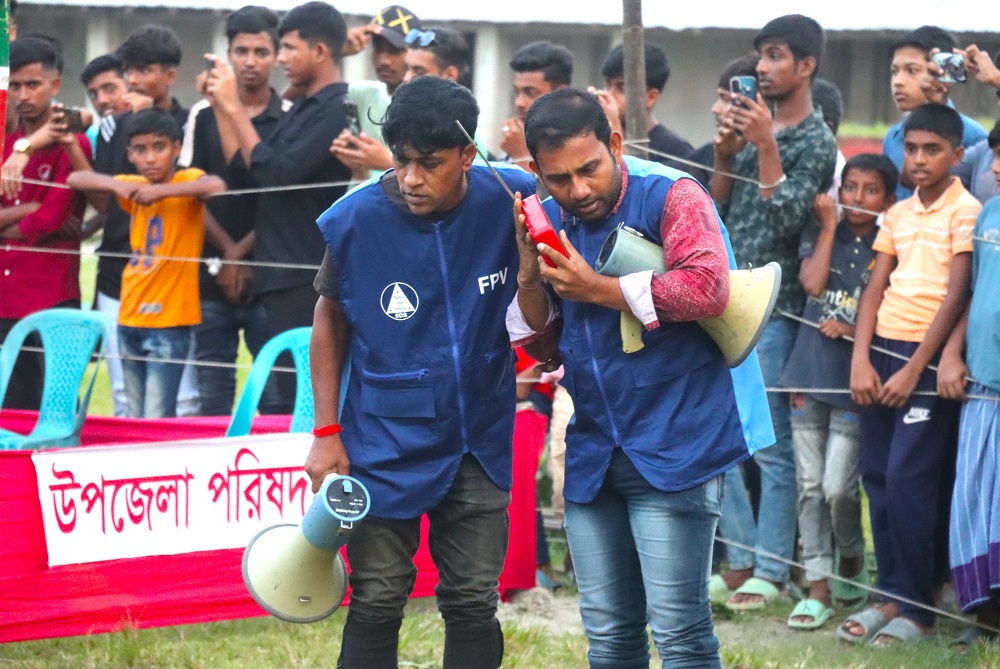
  • Last Mile Early Warning Message Dissemination (Local media and Cable Network/miking etc).
  • Post sharing of AA activation with Govt. and Development Partners at District Level.

 SRSP(Shock Responsive Social Protection)

  • Orientation on roles and responsibilities and Shock Responsive Social Protection, Database and Last Mile Early Warning Message Dissemination of DDMC at selected District.
  • Orientation on roles and responsibilities of Shock Responsive Social Protection, Database and Last Mile Early Warning Message Dissemination of UzDMCs.
  • Orientation on roles and responsibilities and Shock Responsive Social Protection of Flood, Database and Last Mile Early Warning Message Dissemination of UDMCs of Upazilas.
  • Orientation on roles and responsibilities and Shock Responsive Social Protection of Flood, Database and Last Mile Early Warning Message Dissemination of WDMCs of Upazilas (1 Sessions /3 Wards).
  • HHs data Collection verification & validation (Physical).
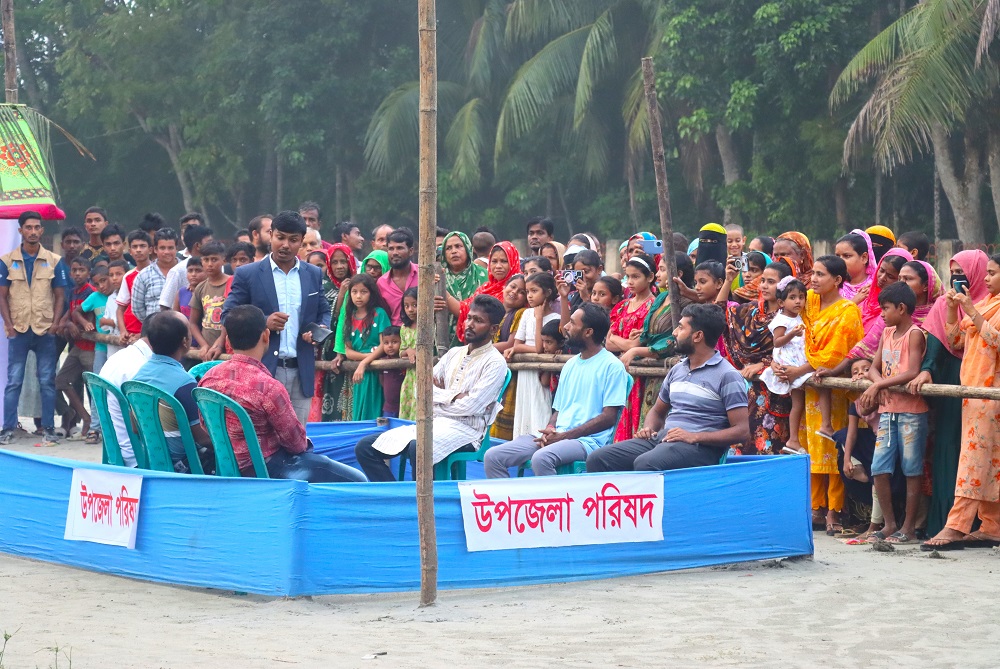
  • Mock drill on Flood preparedness by outsourced specialized team (per DIc 1 sessions).

Awareness session on PSEA, Gender issues, Complain and Feedback Resolve Mechanisms (CFRM) and Nutrition, WASH, Hygiene, Breast Feeding, EBF, CF to SRSP members.


Pin It on Pinterest