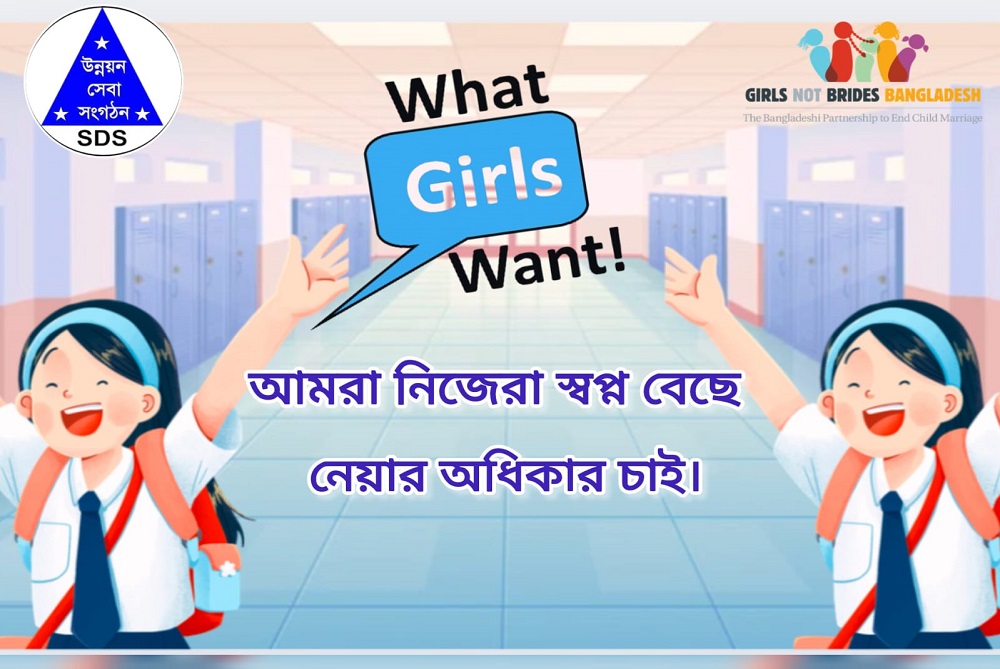
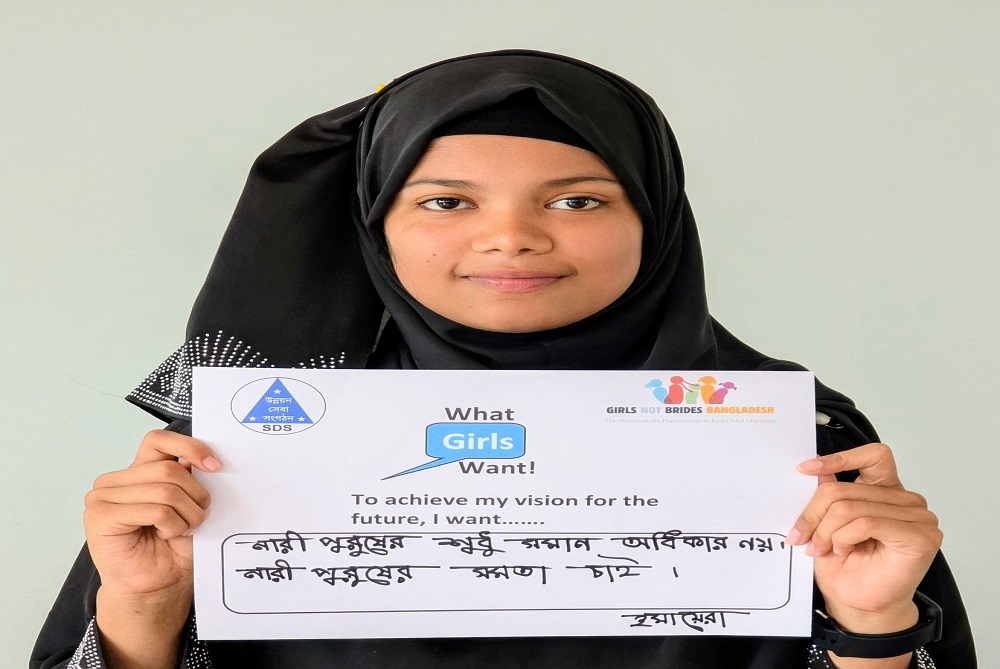
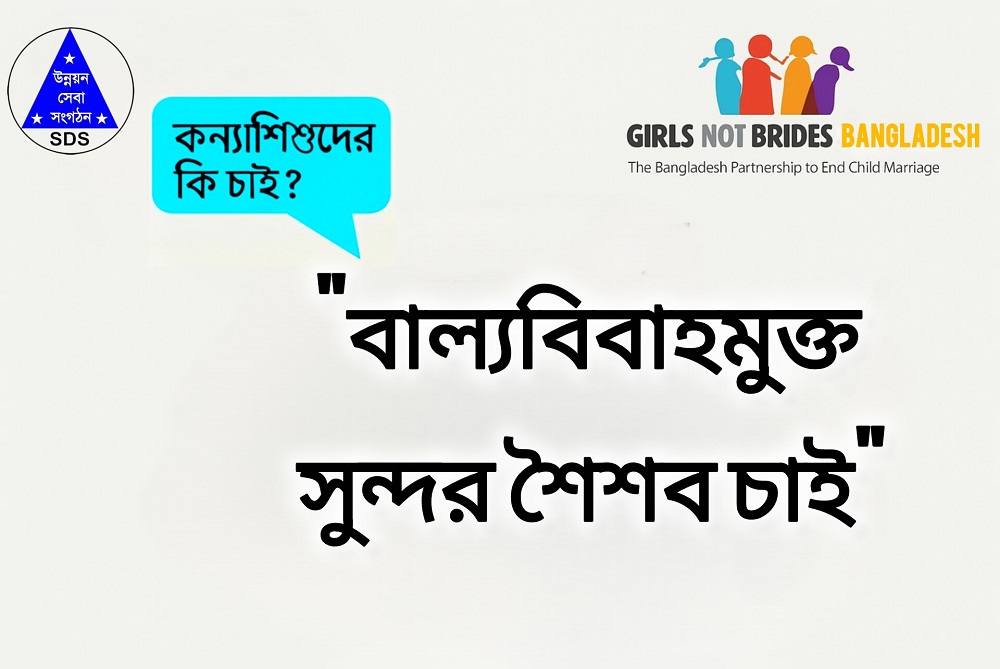
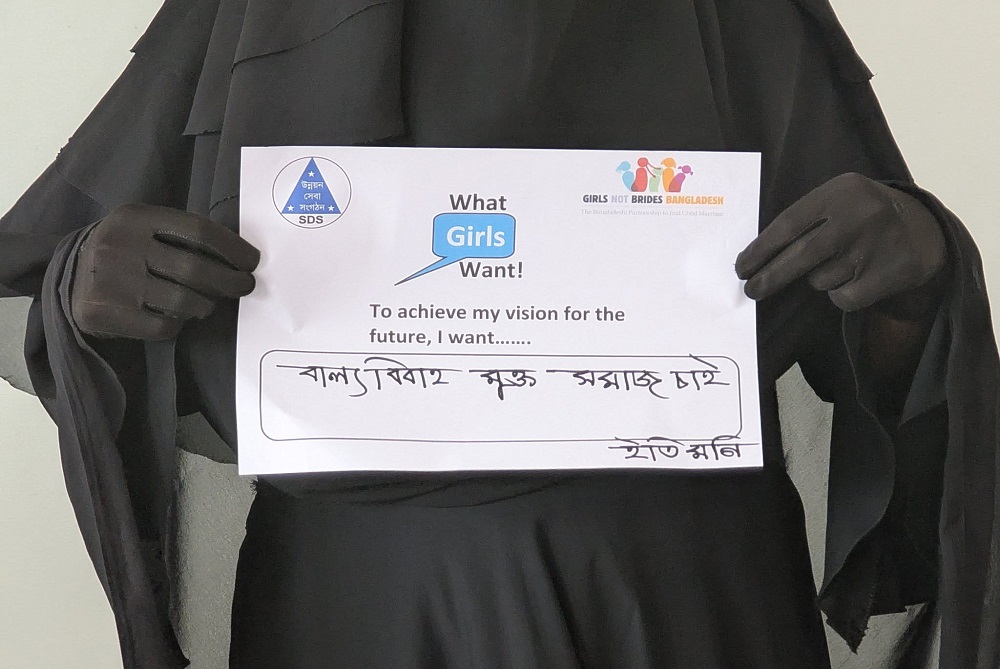
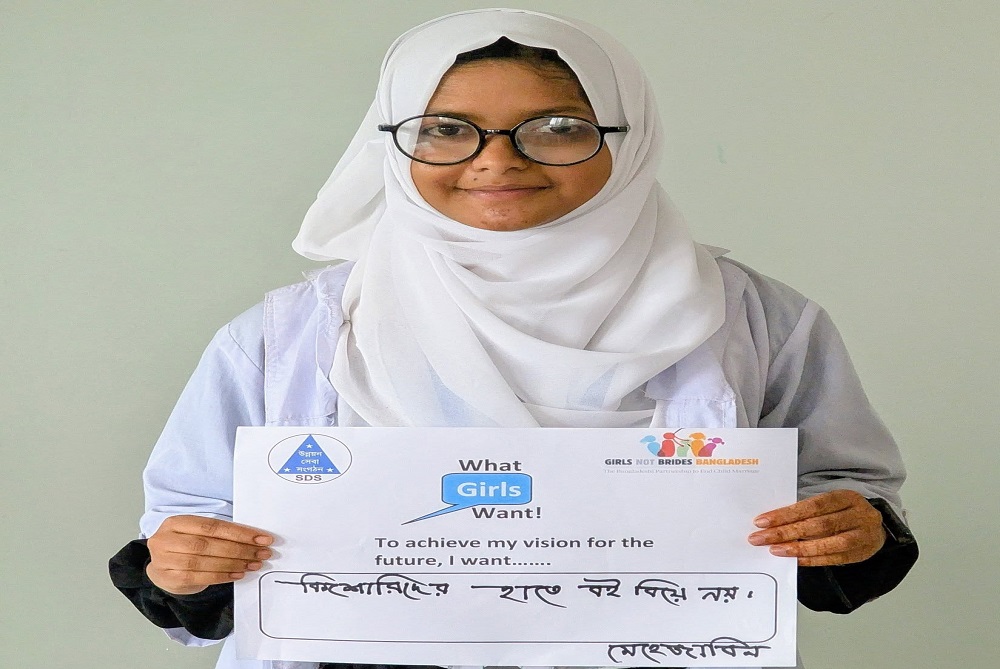
What Girls Want: Campaign

Project Name: What Girls Want Campaign

Project Objective: 1.Raise awareness among adolescent girls, parents, teachers, and communities about the negative effects of child marriage.
2. Promote girls’ rights and encourage their continued education.
3. Empower adolescent girls with knowledge, skills, and confidence to say no to child marriage.
4. Involve community leaders, parents, and teachers to create a protective and supportive network for girls.
5. Advocate for the enforcement of child marriage prevention laws and policies.
Project Goal: To eliminate child marriage by raising awareness of its harmful effects, empowering adolescent girls, and engaging parents, teachers, and communities to create a safe and supportive environment for girls to pursue education and reach their full potential.
Project Brief: This project aims to prevent child marriage and ensure a safe, empowered future for adolescent girls. It will focus on raising awareness about the harmful effects of child marriage among adolescent girls, parents, teachers, and community members. At the same time, the project will promote girls’ rights and education, building their confidence and skills to firmly say “no” to child marriage despite social pressures.
The project will also ensure active involvement of community leaders, parents, and teachers to create a supportive and protective environment for girls. Additionally, it will promote awareness and advocacy for the enforcement of child marriage prevention laws and policies to strengthen community action.

Working Area: (Name of Sub District, District.) Shariatpur.
Beneficiaries: Adolescent and Social community
Major activities:
1.Campaign
Social Media Campaign Launch post different photo card
Develop 05 Short Videos
2.Publish Learning Materials
Develop Brochure and Printing for Distribution
Badge Development And Distribution
Interactive thematic Dialogue
3.Day Observation
Observe Different Days(International Girls Child Day,National Girl Child Day and 16 Days of Activitism)


ALERT BO65

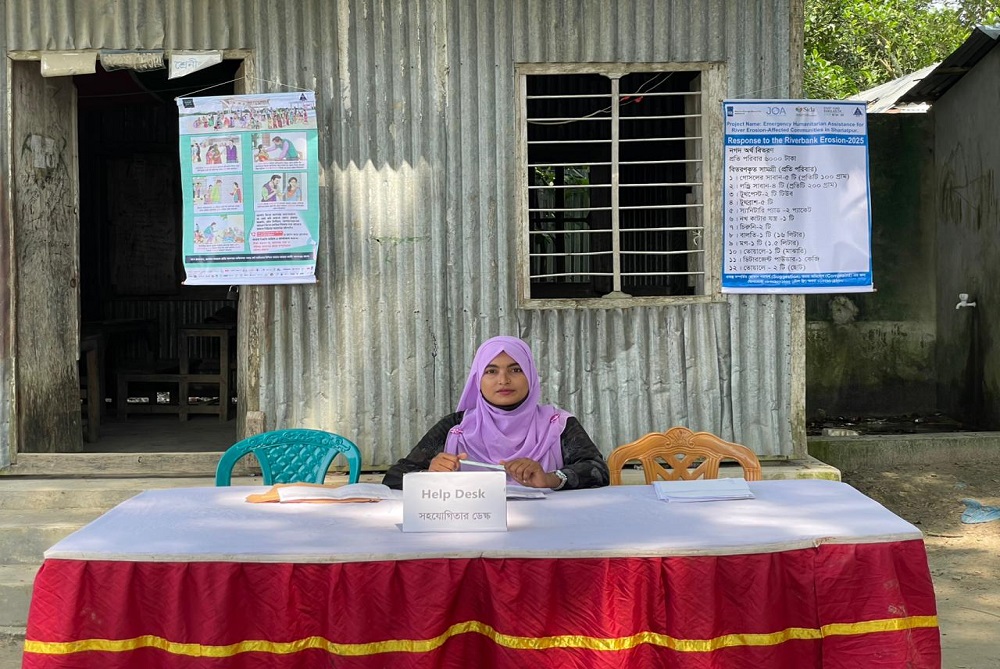
Protect Name: Emergency Humanitarian Assistance for River Erosion-Affected Communities in Shariatpur.

Project Title: Emergency Humanitarian Assistance for River Erosion-Affected Communities in Shariatpur.
Project Code: Start Fund Bangladesh – ALERT B065
Implementing Organization: SDS (Shariatpur Development Society)
Supporting Agency: Start Fund Bangladesh
Location: Sattar Madbor Kandi (Majhir Ghat), Zanjira Upazila, Shariatpur District
Project Duration: 16-07-2025 – 31-08-2025

1. Background
River erosion in Shariatpur District continues to displace hundreds of families each year, resulting in the loss of homes, assets, and livelihoods. In response to the immediate humanitarian needs of the erosion-affected families, SDS, with the support of Start Fund Bangladesh, implemented an emergency assistance project to provide urgent relief and support to the most vulnerable communities in Zanjira Upazila.

2. Objectives
The main objectives of the project were:
• To provide emergency cash assistance to enable families to meet their urgent needs.
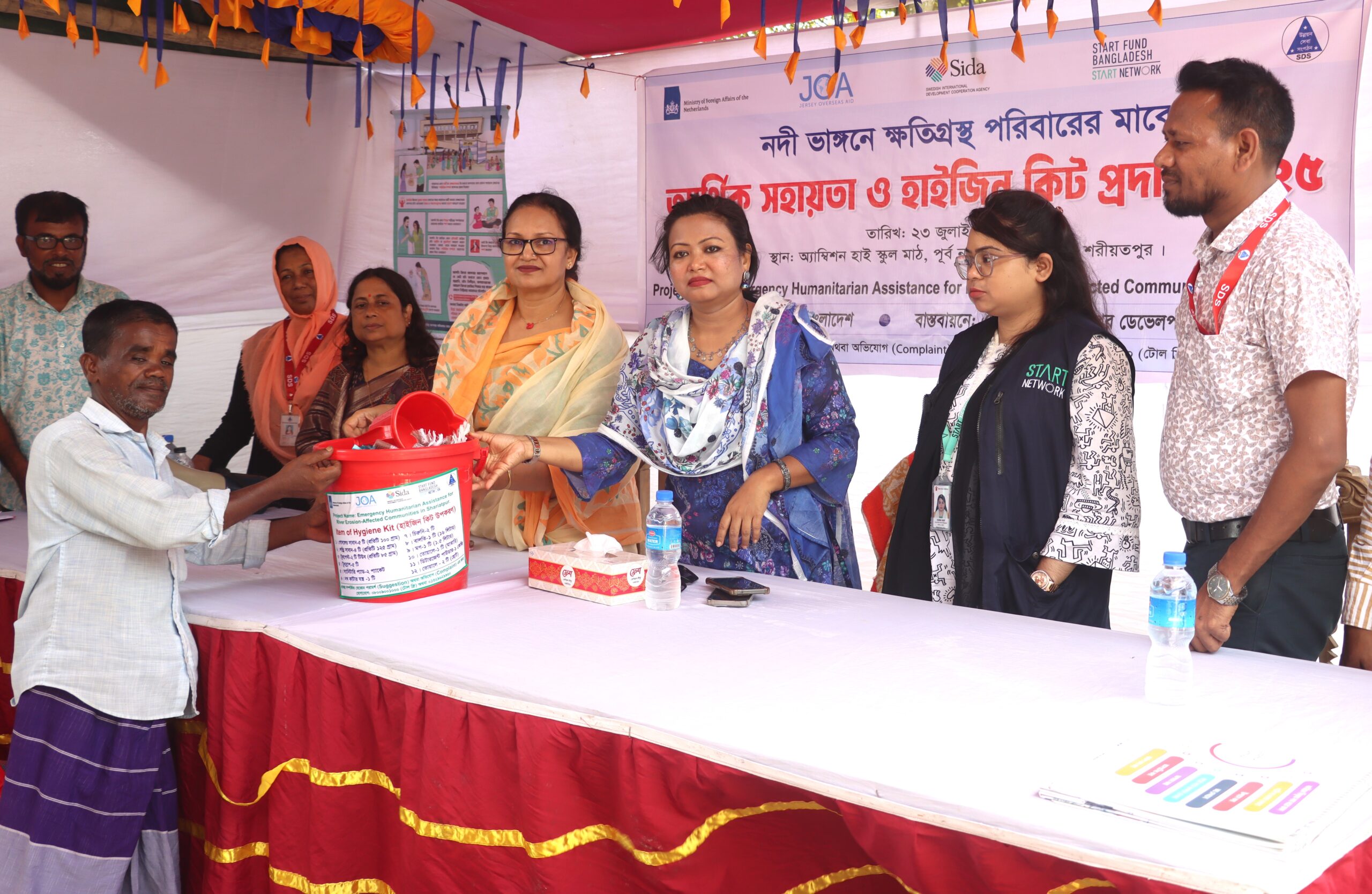
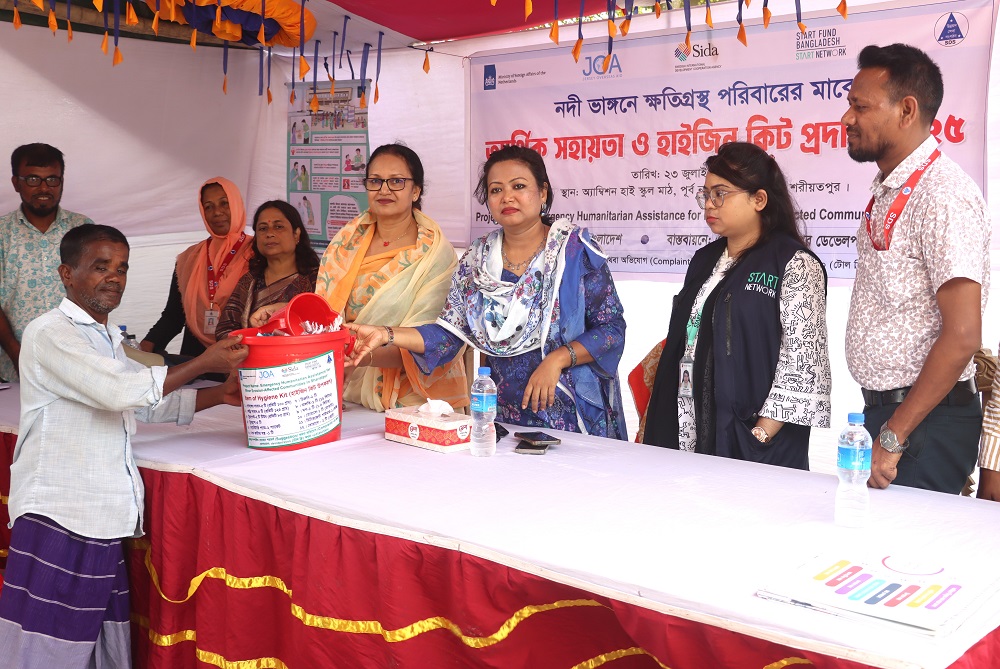
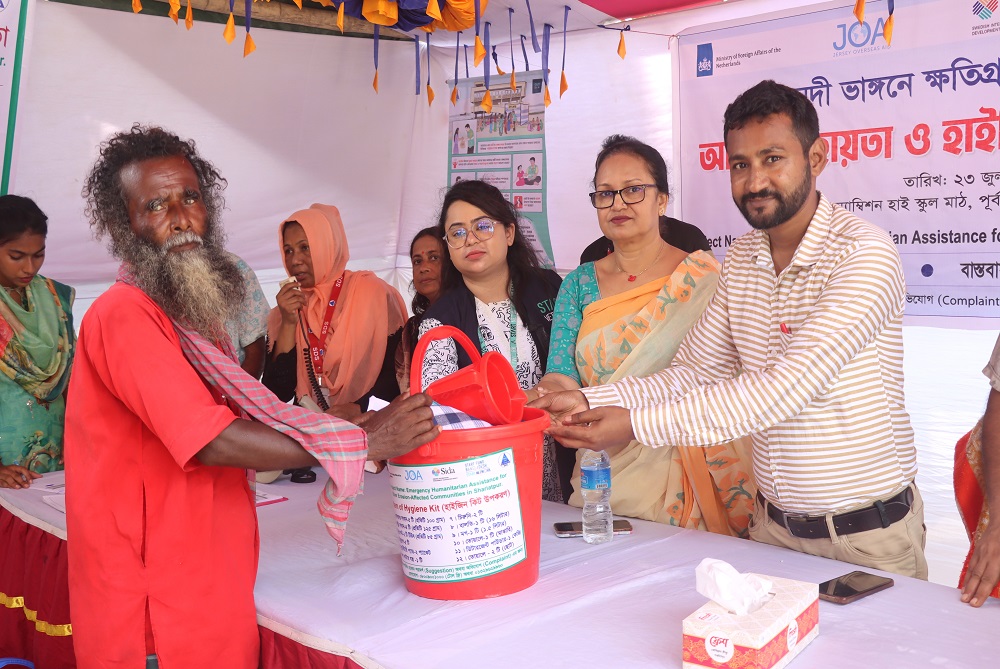
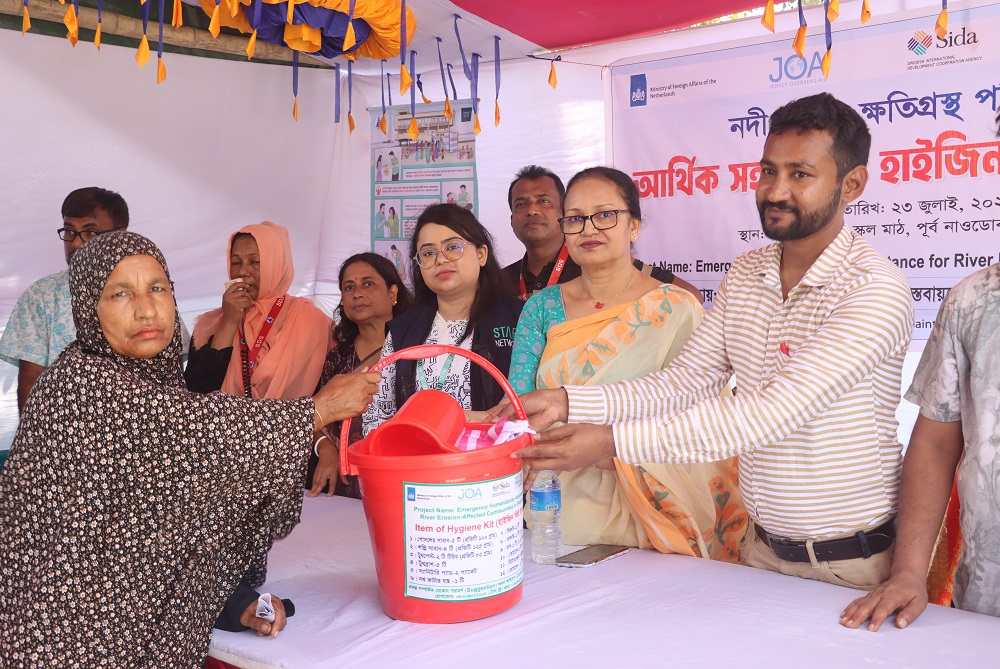
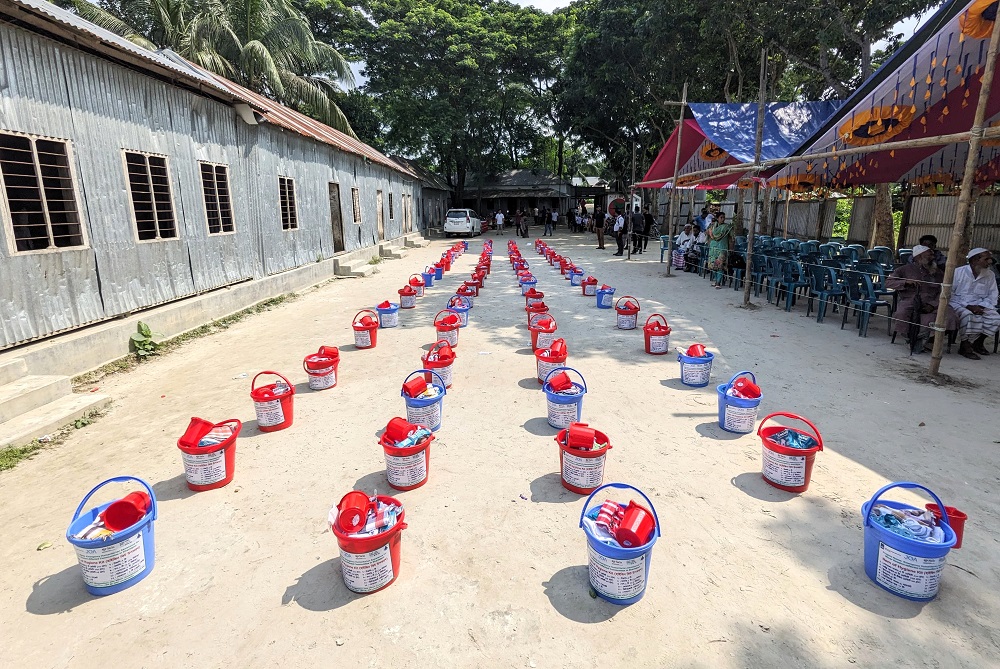
• To distribute hygiene kits to promote safe practices, protect health, and maintain dignity in crisis situations.
• To initiate household-level shelter needs assessments for future recovery and rehabilitation planning.
• To ensure transparency, accountability, and safeguarding throughout the implementation process.

3. Achievements
3.1 Emergency Cash Assistance
Total Families Reached: 151 erosion-affected households
Amount Distributed: BDT 6,000 per household via bKash

Purpose: Allowed families to purchase food, medicine, clothing, and temporary shelter materials according to their needs.

3.2 Hygiene Kit Distribution
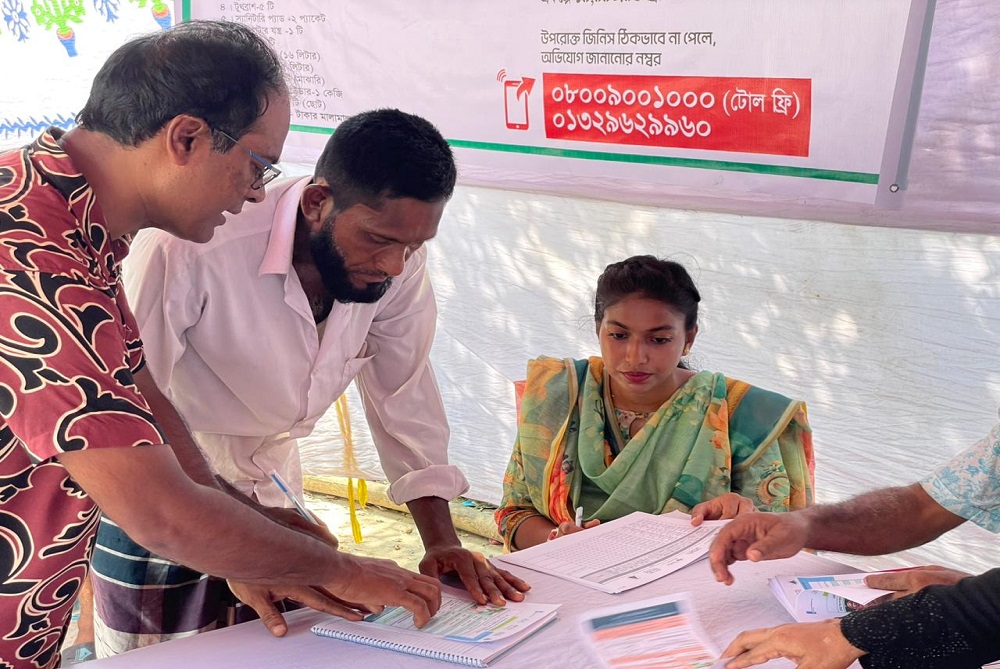
Each family received a hygiene package worth BDT 1,600, containing 12 essential items:
1. Bath soap – 5 pcs (100g each)
2. Laundry soap – 4 pcs (125g each)
3. Toothpaste – 2 tubes (85g each)
4. Toothbrush – 5 pcs
5. Sanitary pad – 2 packs (10 pads/pack)
6. Nail cutter – 1 pc
7. Comb – 2 pcs
8. Bucket – 1 pc (16 liters)
9. Mug – 1 pc (1.5 liters)
10. Towel – 1 medium
11. Detergent powder – 1 kg
12. Small towels – 2 pcs

3.3 Shelter Needs Assessment
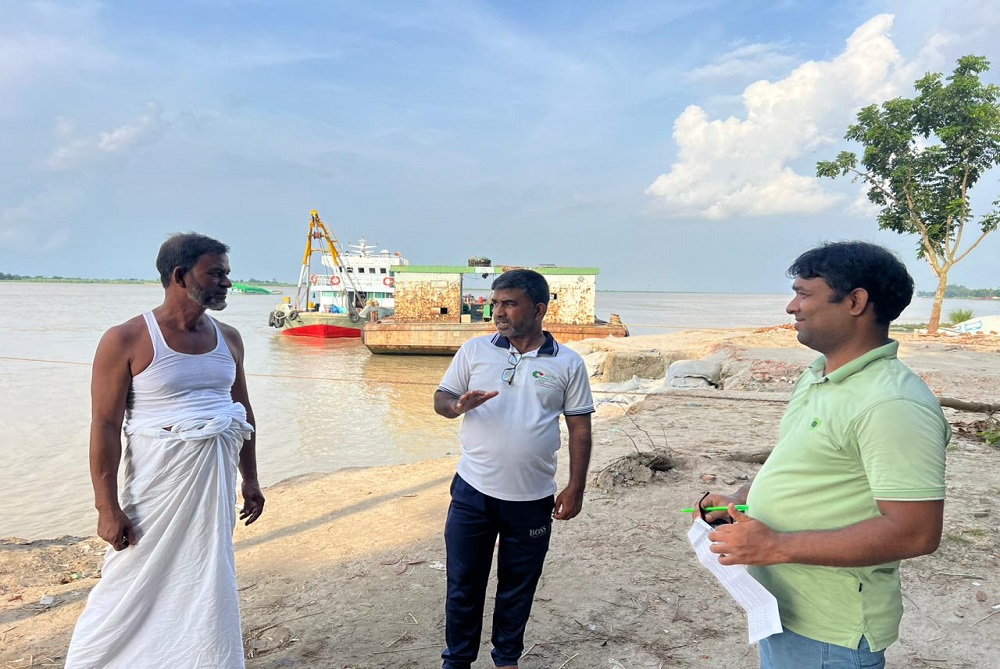
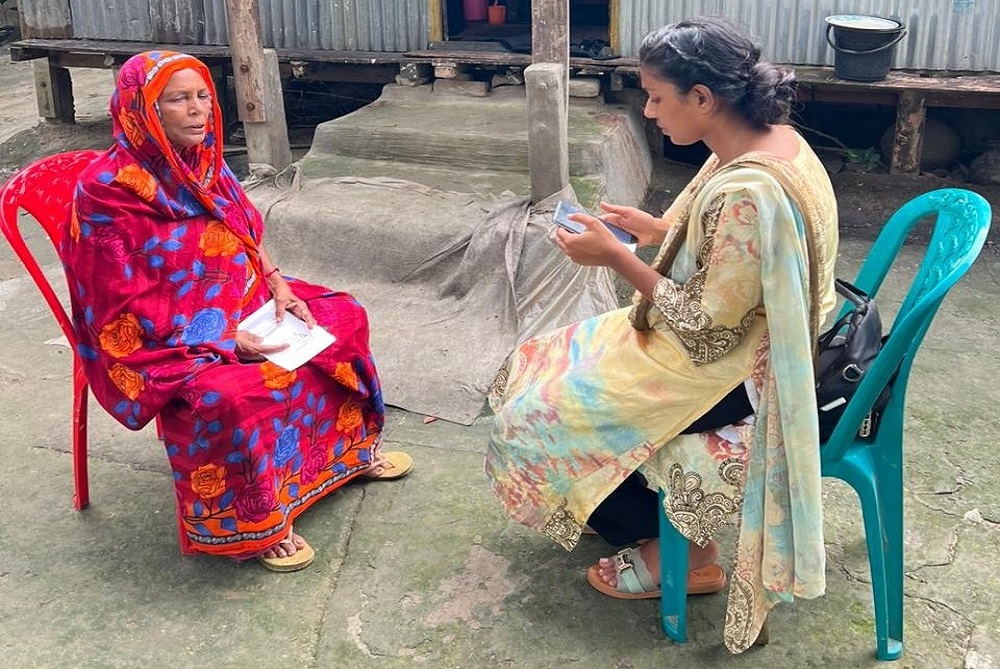
Household-level assessments were conducted in affected areas, including remote char areas, to identify shelter needs.

Findings will guide SDS and partners in planning the next phase of recovery, focusing on safe shelter support.

4. Implementation Approach
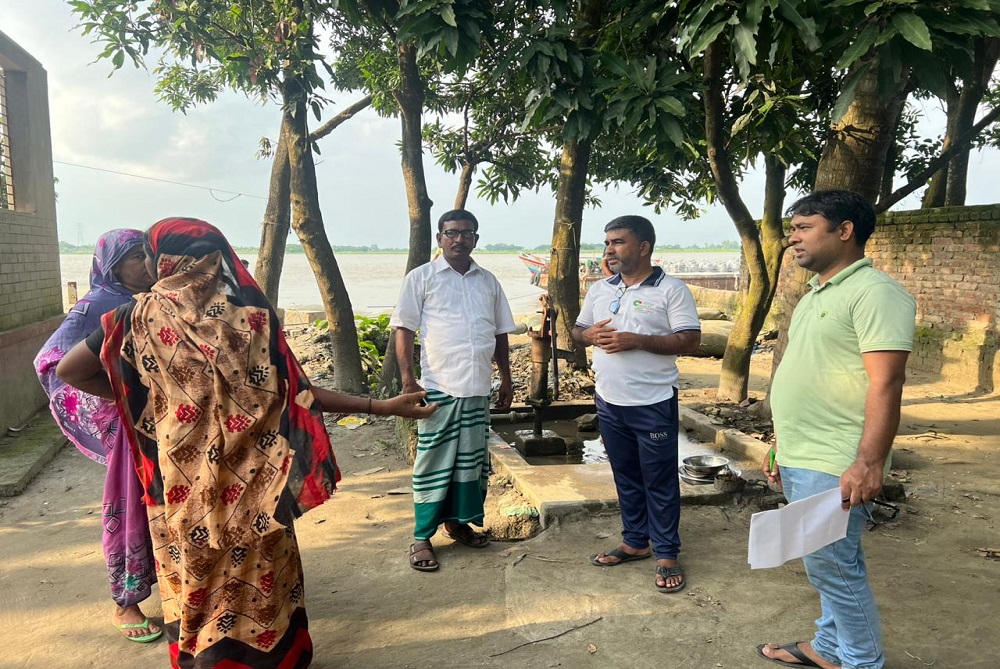
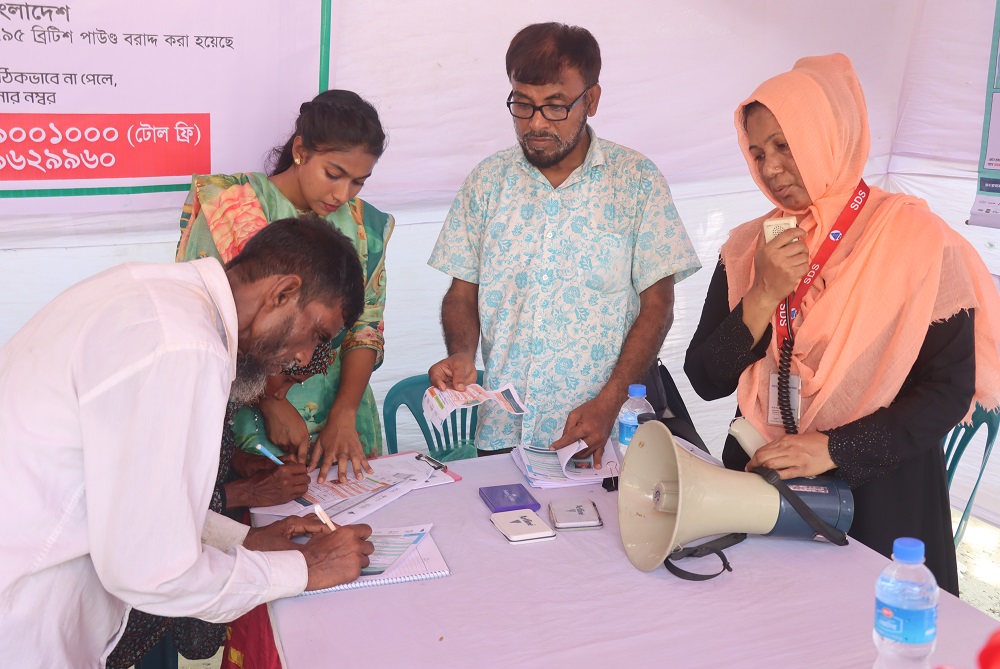
• Community Consultation: Meetings were held to listen to community voices and ensure needs-based planning.
• Safeguarding Awareness: Community members, especially women, children, and vulnerable groups, were informed of their rights and safe reporting channels.
• Transparency & Accountability:
• Beneficiary lists were verified through door-to-door visits.
• Distribution cards were delivered directly to families.
• Fraud prevention measures and MAAP focal oversight ensured fair assistance delivery.

5. Stakeholder Engagement
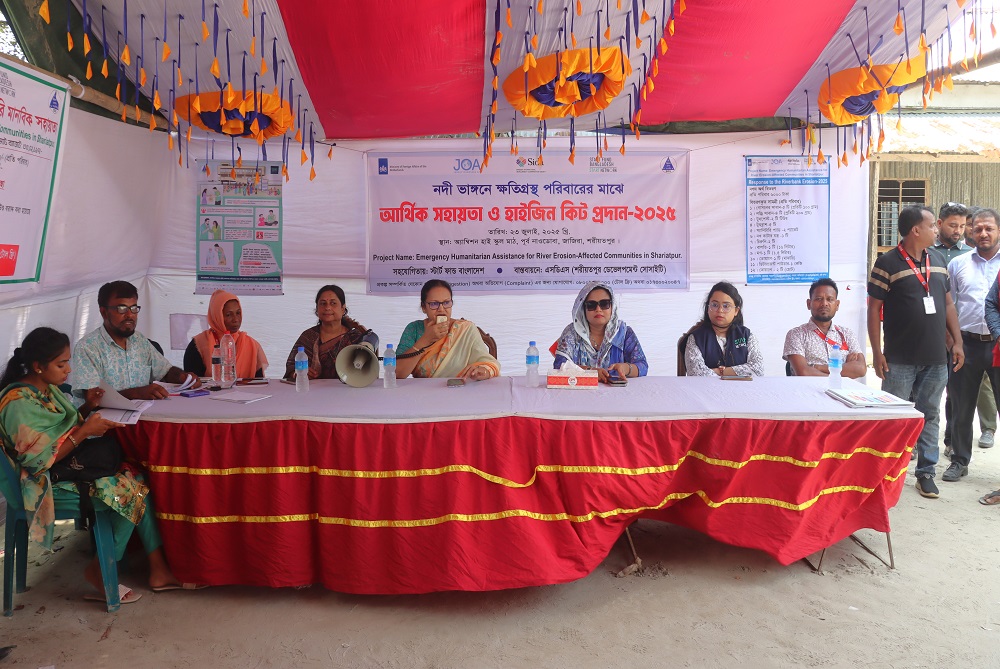
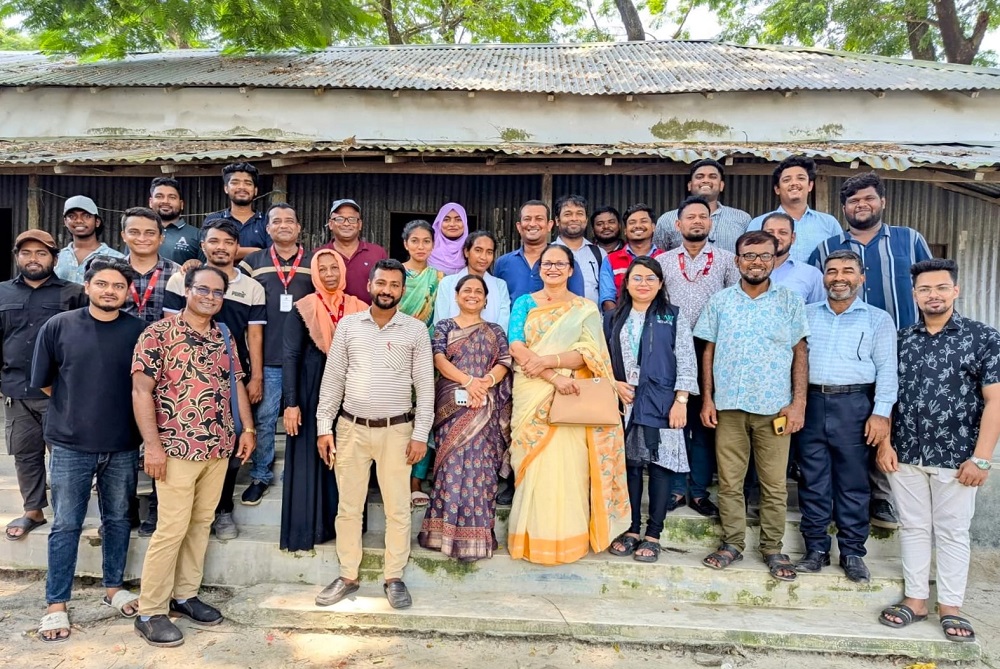
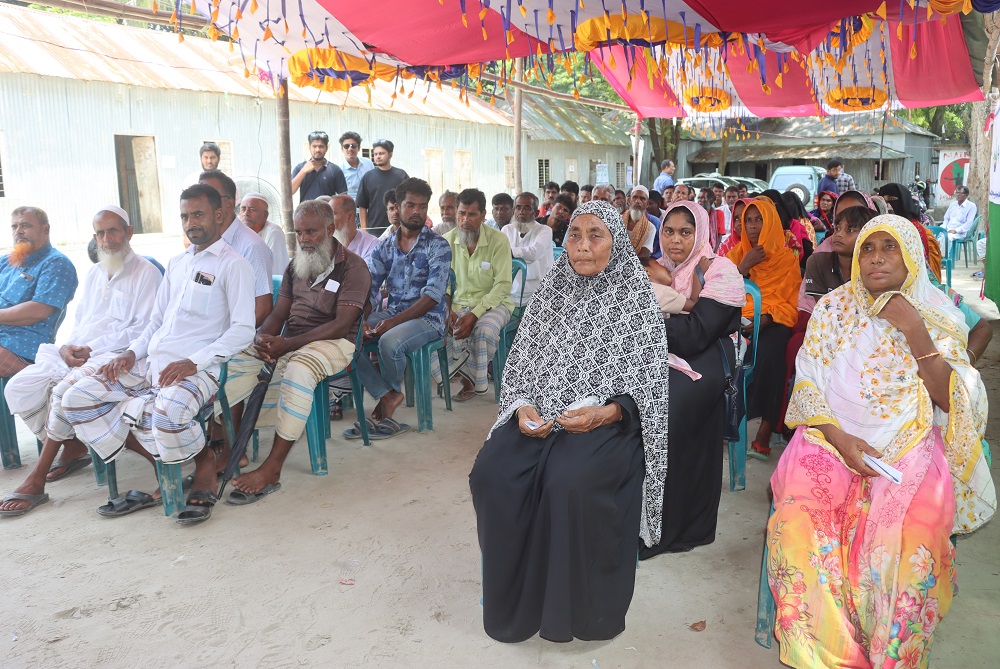
The distribution ceremonies and activities were attended and supported by:
Ms. Kaberi Roy, Upazila Nirbahi Officer (UNO), Zanjira
Ms. Rabeya Begum, Executive Director, SDS
Ms. Tasnima Mukit, Representative of Start Fund Bangladesh
SDS senior officials, project staff, and local leaders
Their presence reinforced trust, accountability, and coordination at the local level.

6. Impact
• 151 households supported with cash and hygiene kits.
• Families immediately addressed urgent needs such as food, medical expenses, and temporary shelter.
• Hygiene practices improved through access to essential hygiene items.
• Shelter needs of erosion-affected families documented for further planning.
• Strengthened community trust in humanitarian response and donor support.

7. Challenges
• Accessibility issues in remote char areas delayed assessment in some locations.
• Rising river levels posed risks during household visits.
• Limited project duration restricted the scope of assistance to only urgent needs.

8. Lessons Learned
• Cash assistance was the most effective way to empower families to meet their specific priorities.
• Community consultation ensured better targeting and acceptance of assistance.
• Transparent systems (door-to-door card delivery, monitoring, fraud prevention) increased accountability.
• Integration of safeguarding awareness is crucial in every humanitarian intervention.

9. Conclusion
The project successfully provided timely humanitarian assistance to erosion-affected families in Shariatpur, reducing immediate suffering and restoring hope. Through cash, hygiene support, and shelter assessment, SDS and Start Fund Bangladesh demonstrated a people-centered, transparent, and accountable humanitarian response.

SDS remains committed to working with communities and partners to build resilience, restore dignity, and support long-term recovery for river erosion-affected families.

10. Acknowledgement
We express our sincere gratitude to Start Fund Bangladesh for their timely support, and to the local administration, distinguished guests, SDS staff, and community members for their cooperation in making this project a success.

 

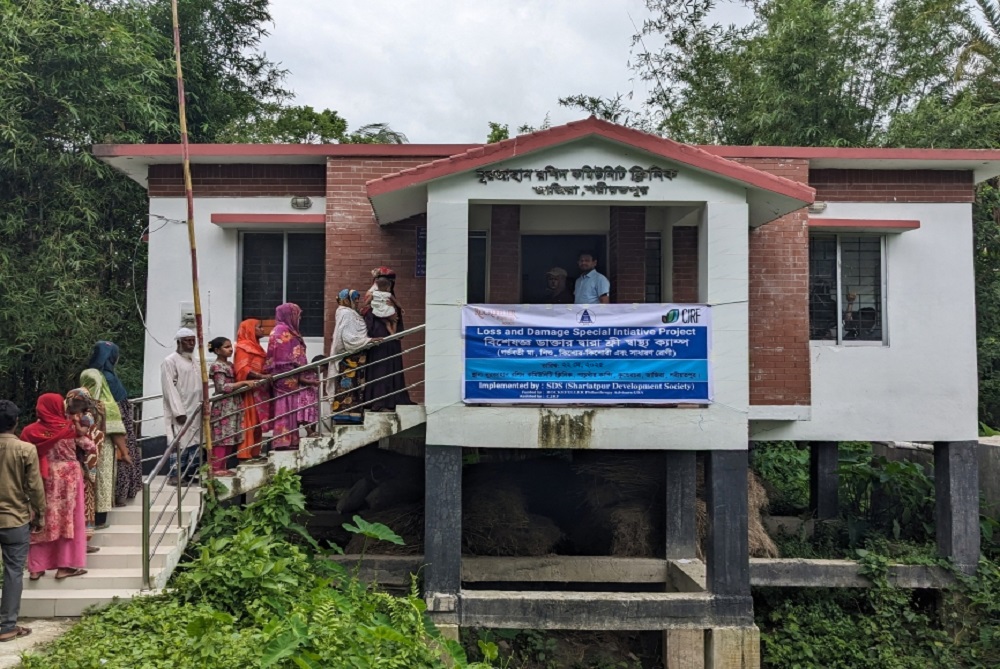
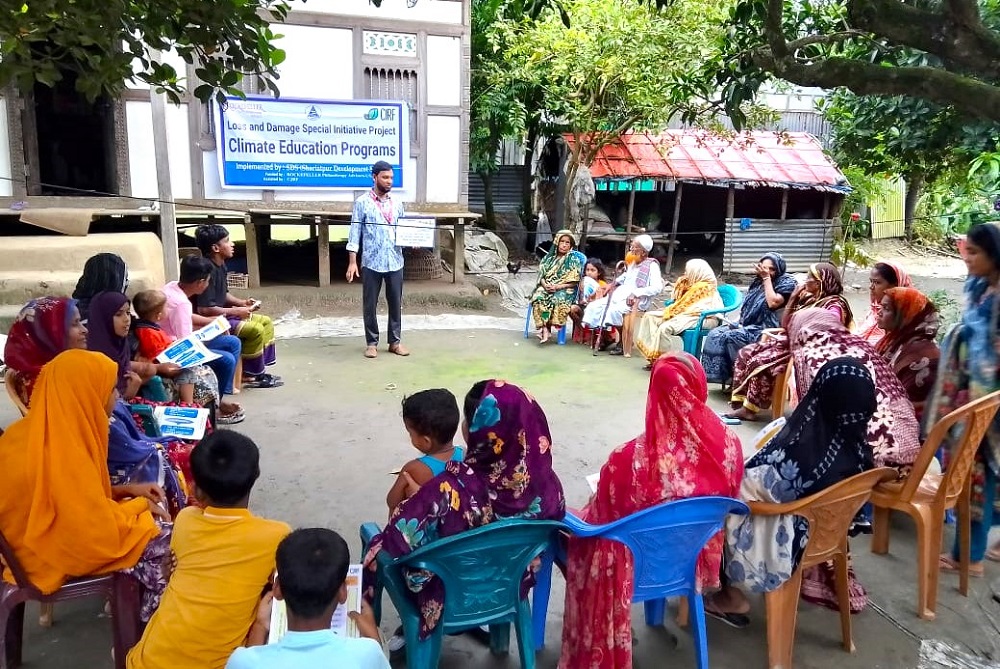
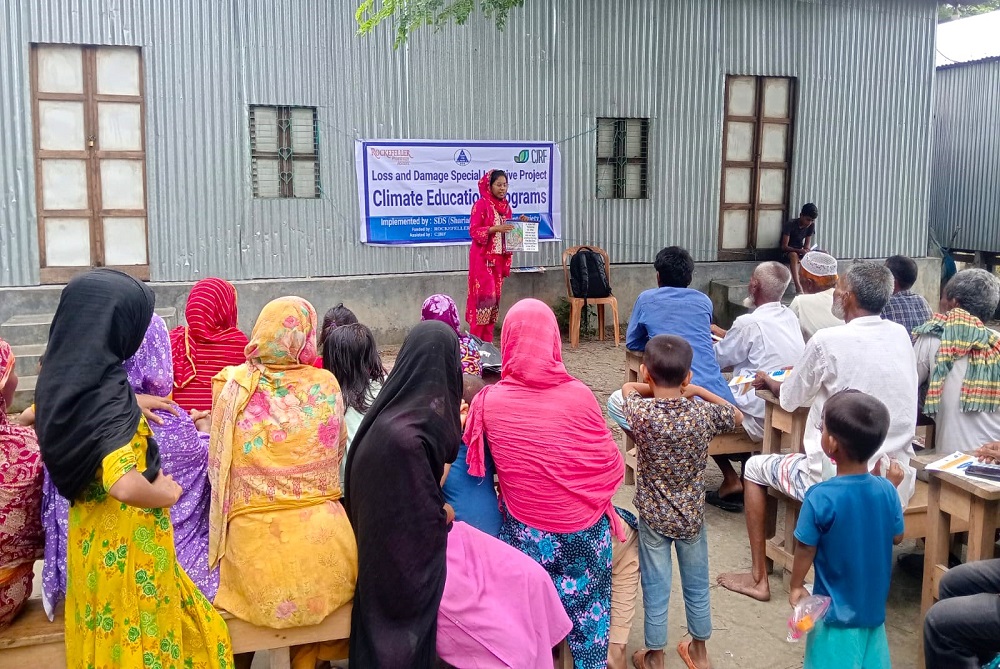
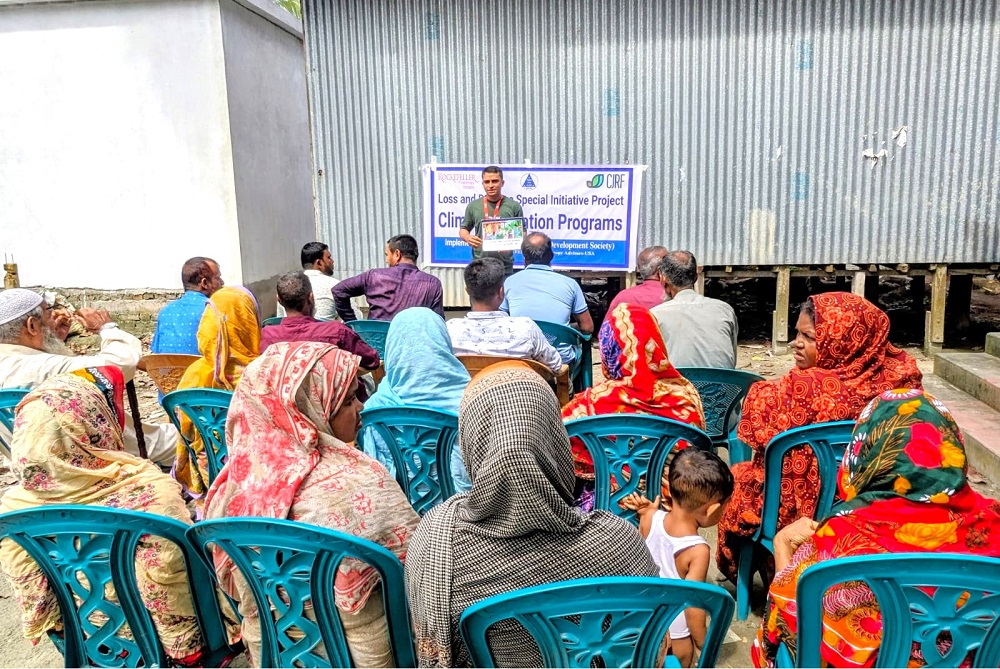
Non-Economic Loss and Damage Special Initiative

Protect Name: Non-Economic Loss and Damage Special Initiative

Project Name:

Non-Economic Loss and Damage Special Initiative

(Project reference no: G-24-2145437)

Implementing Partner/s:

SDS (Shariatpur Developent Society)

Funding Channel:

CJRF (Climate Justice Resilience Fund)

Funding:

Rockefeller Philanthropy Advisors-USA

Project Location:

6 Union in 4 sub-districts of Shariatpur

1. Kunderchar union, Jazira

2. Charatra union, Naria

3. Noapara union, Naria

4.Uttar Tarabonia union, Bhedorgonj

5.Kachikata union, Bhedorgonj

6.Kuchaipatti union, Goshairhat

Beneficiary profile:

The repeated displacement caused by river erosion results in profound significant Non-Economic Loss and Damage, including the erosion of cultural identity, mental health deterioration, and the breakdown of social cohesion

Direct participants with single counting: 6000 households

Project Duration:

1 January 2025 – 31 December 2025

Total Budget:

BDT- 8,393,760

CJRF Contribution:

BDT- 7,772,000

Implementing Partner’s Contribution (own and other sources)

BDT- 621,760

Goal: To strengthen the resilience of vulnerable families living in char areas by reducing non-economic losses and damages caused by river erosion.”

Outcomes:

Outcome-1: Improved Mental Health and Psychosocial Services

Outcome-2: Strengthened Cultural Identity and Heritage through Storytelling Workshops Traditional Craft and Music Revitalization and Cultural Festivals and Events (Cultural, Sports).

Outcome-3: Reduced GBV (Gender Based Violence) incidents and enhanced safety for vulnerable women and children.

Highlights on solutions

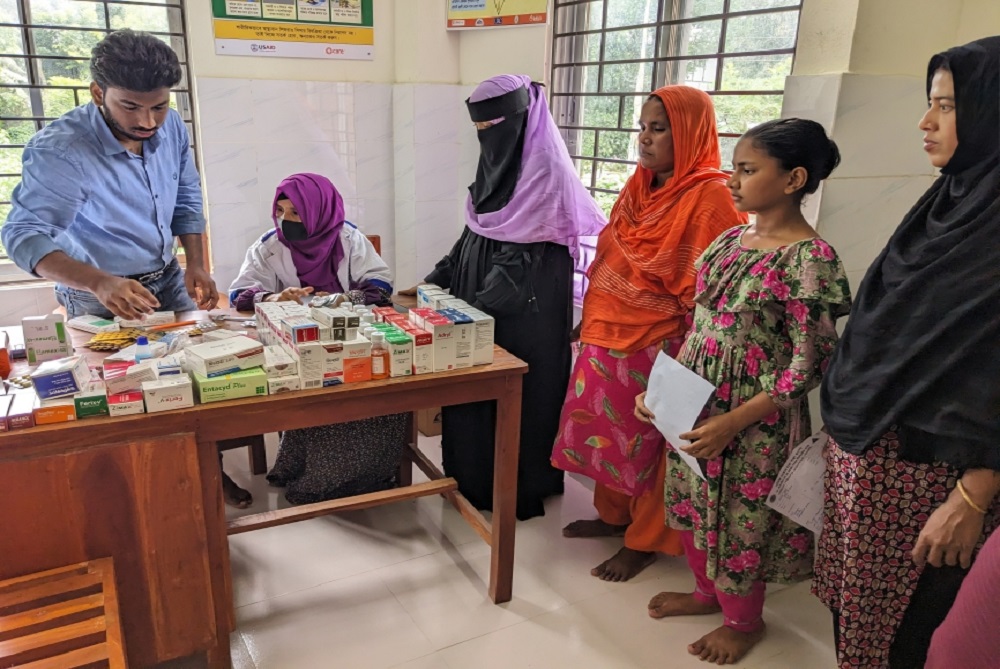
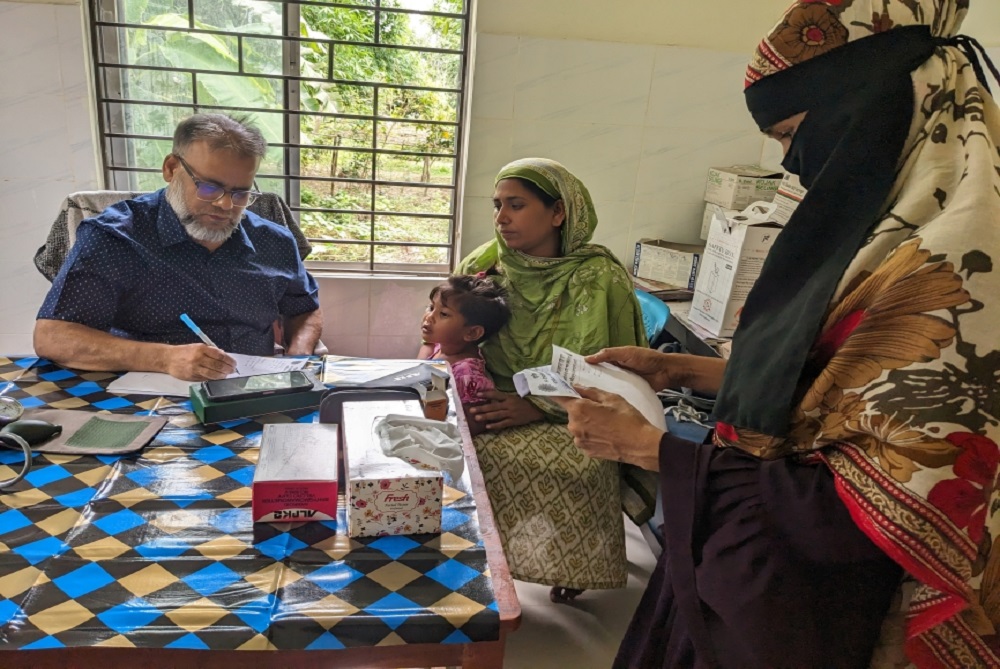
  • Establish Community-Based Counselling Centres
  • Set up Safe Space for Women and Children
  • Training Mental Health First Responders
  • Peer group formation and orientation
  • Health Campaign.
  • Program on gender Based Violence
  • Storytelling workshop
  • Events on Cultural festival and Traditional craft
  • Community healing workshop and Legal Aid supports
  • Workshop on resilience and well being


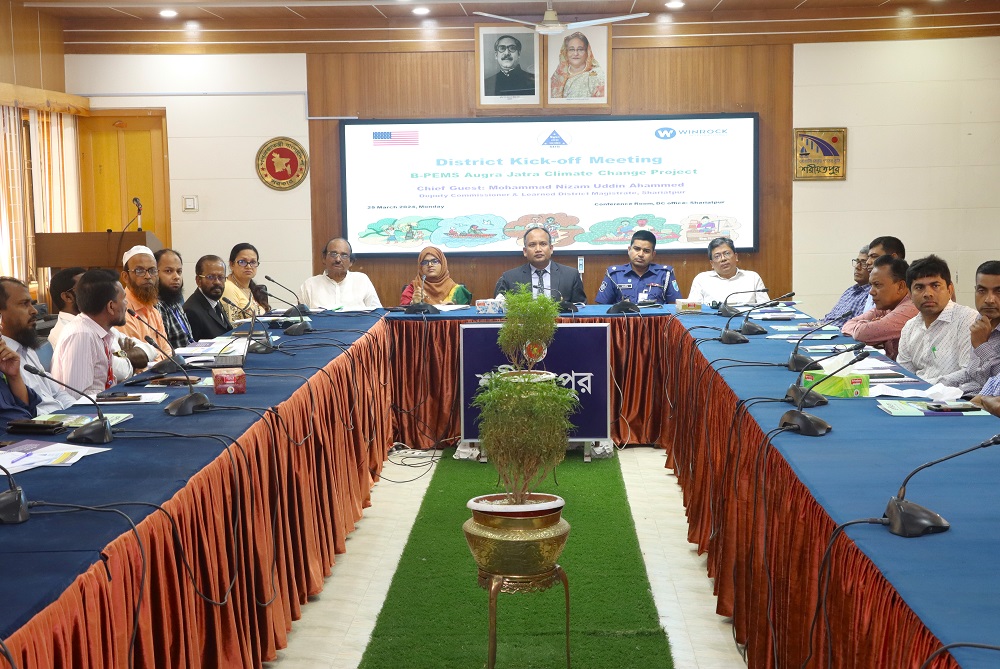
B-PEMS AugroJatra Climate Change Project

Protect Name: B-PEMS AugroJatra Climate Change Project

Project Objective:

  1. Support cross integration of climate change and human trafficking into national and local policies and plans.
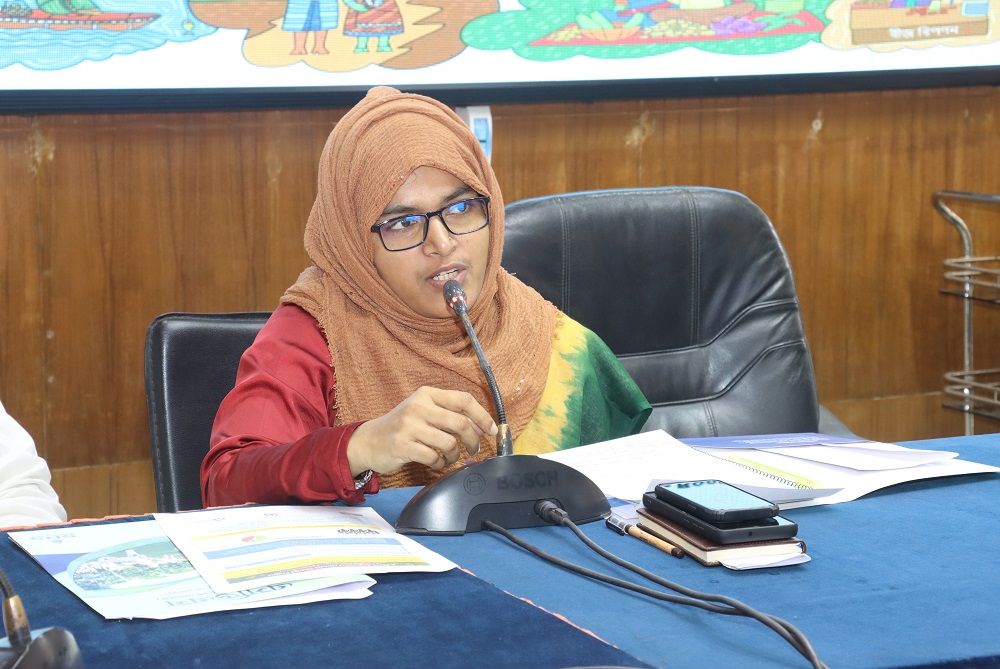
  2. Increase household access to information and assistance for proactive planning.
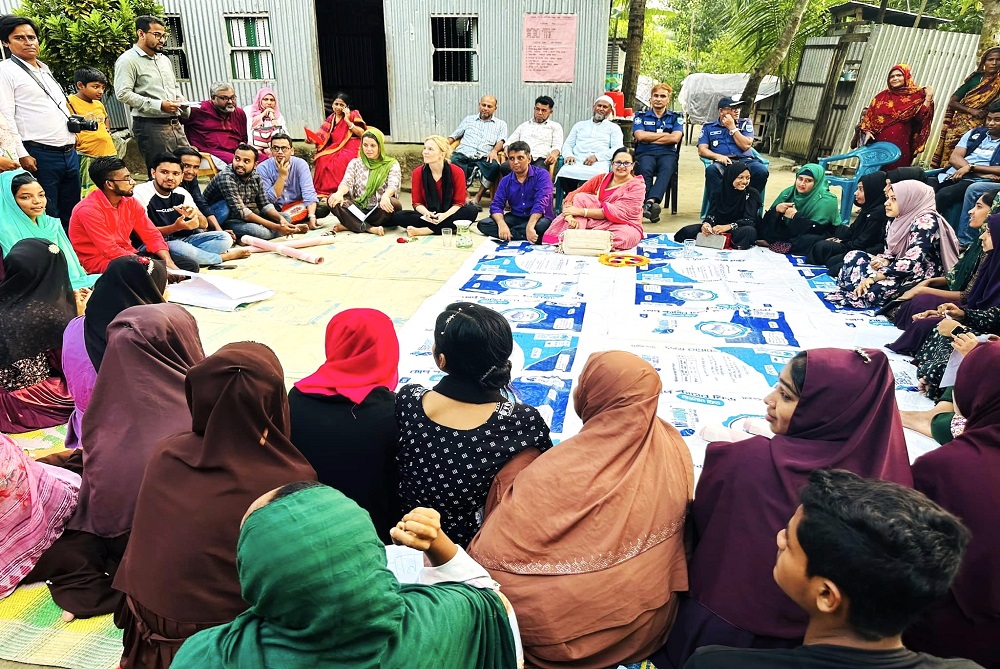
  3. Conduct targeted research to contribute to the climate change-human trafficking evidence base.

Project Goal: Reduce the prevalence of human trafficking among climate change vulnerable farming and fishing households in Bangladesh.

Project Brief:

  1.  Global community of practice level Contributing to currently limited evidence base on the relationship between climate change and human trafficking.
  2. Institutional level Enhancing policies and plans acknowledging the intersectionality of climate change and human trafficking
  3. Household level Increasing awareness of and access to proactive adaptive options.

Working Area: (Name Of Sub District, District.) District : Shariatpur, Upazila: Shariatpur Sadar, Goshairhat, Zanjira.

Beneficiaries: Crop Farmers ,  Major Criteria : More than 50 decimals and less than 250 decimals of cultivate land ; age female 12-30, male 15-35.

Major activities: 1. Climate Smart Agriculture 2. Alternative Livelihood Options, 3. Training on CSA Practices & Technology to Crop and Aquaculture Farmers 4. Demonstration on CSA Practices & Technology to Crop and Aquaculture Farmers 5. Soil and Water Testing 6. MoUs and Partnerships with other programs and VTCs 7. Financial Literacy and Business Development Training 8. Skills Development Training on ALO through referrals and subsidized enrolment 9. Job Placement of Trained Participants.


Youth Environmental Stewardship for Eco-Friendly Communities (YES4ECO)

Protect Name: Youth Environmental Stewardship for Eco-Friendly Communities (YES4ECO)

Project Objective: To enhance the resilience, adaptive capacity to manage climate variability and environmental risk in the south coast of Bangladesh. Project Goal: The overarching goal of the YES4ECO project is to enhance the resilience, adaptive capacity, and oversight of communities to manage climate variability and environmental risks in the south coast of Bangladesh, through the active and informed engagement of young people. Project Brief: Bangladesh is one of the most climate‐affected countries in the world due to its flat typography, the precariousness of its river systems and high population density. It also experiences frequent natural disasters, with the southern part of the coastal belt being particular vulnerable. During a monitoring visit to southern Bangladesh in October 2022, Educo Bangladesh took Barnfonden to visit a youth group who proudly showed the work they were doing to safeguard their community from environmental risks. The risks in the low‐lying and exposed location where the youth lived, Barguna (population 848 5541 ), included natural hazards such as flood, cyclone, storm surge, salinity intrusion, excessive fog, temperature change, riverbank erosion, heavy rainfall, late rainy season and waterlogging,2 not to mention pollution and deforestation. These environmental risks were impacting their family’s livelihoods and security – in fact, many of the families who practice marginal and small‐scale farming (as per 84.27% of farmers in Bangladesh3 ) have already been forced to leave the area to mitigate to the slims of Dhaka to find alternative incomes (by 2050, one of seven people in Bangladesh are predicted to become climate migrants4 ). The youth also knew these risks affected their own futures, reducing opportunities for them to find jobs, access land and earn incomes. The youth Barnfonden met had come together under the auspices of Educo’s Grow Green to Protect the Planet (G2P) pilot project, to learn about the climate and environmental issues, map problems, and research and identify solutions. They engaged with local authorities, community members and farmers, and together came up with ideas for household smallholdings (averaging around 0.59 ha) to address the most pressing problems their community faced. They convinced some of their families to develop model demonstration farms to showcase improvements that could easily be made within these smallholdings, including the use of improved infrastructure and climate smart farming techniques. They also developed an advocacy campaign to address businesses and schools, to alert them to the risks of pollution, including the importance of reducing carbon emissions 5 and stopping tree‐felling. It was clear to the visiting Barnfonden representatives that these adolescents and youth had been nurtured as leaders: they had formulated innovative new concepts, and they were confident and clear about their ambitions and proud of their achievements to transform their village. While the concept for YES4ECO was presented to Postkod prior to Barnfonden’s visit based on the Educo’s experience with the G2P pilot intervention, the visit referred to above presented an opportunity for Barnfonden and Educo to, together, dig deeper into the methodology and approach. This full proposal of YES4ECO is based on lessons learned from spending time with the youth and members in the community, and with the local implementing partner. The lessons from G2P have been incorporated into the design of YES4ECO – a project which involves youth from other parts of Barguna. Important additions to the practical solutions devised by youth in the G2P pilot project that are embedded in the YES4ECO project design include the need to further link with other climate activist clubs and with government. Most government and non‐government disaster and environmental management processes exclude youth, despite their potential as change agents and despite the fact that it is the younger generation who face the future impacts of climate change. To addressthese challenges, the most cost‐effective and context appropriate approach isto engage in resilience building activities that are specific to the rural communities, and which also build on the strengths of these communities, using the energy and imagination of young people and tapping into the significant social capital that exists amongst the youth population. This group can play a powerful role in guiding community members and Upazila Parishad (a structure 1 Barguna District ‐ Banglapedia 2 Community Perception on Adverse Effects of Natural Hazards on Livelihood and Enhancing Livelihood Resiliency: A Case Study at Patharghata Upazila, Barguna ‐ ScienceDirect 3 Structural Changes of Farm Size and Labor’s Occupation in Bangladesh‐ A Markov Chain Analysis (degruyter.com) 4 How the Climate Crisis Is Impacting Bangladesh | Climate Reality Project 5 (PDF) GREENHOUSE GASES EMISSION IN THE RURAL AREAS OF COASTAL BARGUNA DISTRICT BANGLADESH (researchgate.net) 2 in which local government and elected officials work together to provide public services) and even district budgets in their community‐based climate adaptation and biodiversity improvement planning and budgeting processes. These duty bearers have a responsibility to uphold children’s right to a healthy and sustainable world, as is recognised in current work underway by the UN to develop General Comment 26 – a document (in draft) which provides authoritative guidance on how children’s rights are impacted by the environmental crisis. One in three children in the Bangladesh – nearly 20 million children – are already affected by climate change every day – a statistic that has generated a healthy national youth movement seeking action to deal with the environmental crisis 6 . Empowered by global imperatives, these supportive national networks can be used to guide, support and sustain community‐level youth action, and to link micro, meso and macro‐level social change. Currently, the southwest coastal region of Bangladesh does not have a harmonized set of interventions and actors working towards climate adaptation and biodiversity improvements. However, the Government of Bangladesh (GoB) has taken various policy initiativesto mobilize the public and non‐state actorsin working towards climate change adaptation, mitigation and disaster management at a national level. Some of the policy initiatives are: Management Act 2012, Disaster Management Policy, National Plan for Disaster Management 2015‐2020, Standing Orders on Disaster 2010 (revised in 2019) etc. Educo being a member of the National Displacement Management Cluster and Child Protection Cluster, coordinates with the GoB and the cluster members to learn and share the needs, solutions and technologies to addressthe climate vulnerability of the people, particularly children, adolescents and youth. Educo also coordinates with the Ministry of Disaster Management and Relief, Forestry and Environment. This project will also support the Strategy for Sweden’s Development Cooperation with Bangladesh 2021‐2025, and their ambition to build resilience to climate change and natural disasters and improve conditions for reduced environmental impact and the preservation and restoration of biodiversity. It also contributes to implementing the climate investment framework under Bangladesh Climate Change Strategy and Action Plan (BCCSAP7) and supports integration of climate change into development, specially target 18, 29, 310 and 411. It also strongly supports Barnfonden’s strategy which is focused on keeping children safe in a changing climate (Barnfonden_Strategic_Plan_2021‐2025‐LU.pdf). Working Area: (Name Of Sub District, District.) Palerchar & Zajira Union, Zajira Upazila, Sub-Districts Zajira, District-Shariatpur. Beneficiaries: The proposed project will directly benefit 2820 beneficiaries in 6 climate‐vulnerable communities in two subdistricts of Bangladesh. 5 The target group constitutes the following sub‐groups, which are further referred to in the activities: → 2,580 Adolescents and Youths (A&Y) of which 180 (90 boys and 90 girls), aged 12‐17 and 18‐24 will directly benefit from training on climate change and environmental stewardship. The 180 A&Y will be divided into six YES4ECO clubs (tree clubs in each district). These A&Y will then play a proactive role in changing behavior and practices of the community, while also networking with at least two other climate activist groups. In addition, 2,400 students (1,200 boys and 1,200 girls) of 12 Educational Institutions (06 primary and 06 secondary schools) in the targeted two districts will directly benefit from peer learning and knowledge strengthening on climate change and environmental issues. → At least 60 teachers (30 females and 30 males) from 12 educational institutions will be sensitized through awareness campaigns and by attending the environmental awareness sessions. → A total of 180 representatives of local authorities and ministries will directly participate in the proposed project (Union Parishad, Union Disaster Management Committee, Sub‐district Agriculture, Livestock and Fisheries departments). At micro level: Union Parisad will contribute to assessing and preparing action plans. They will also allocate funds to implement the action plan of A&Y as well as incorporate environmental issues identified in their development plans. The line departments will provide training to the farmers on new technologies. At meso‐Level: They will be supported with new ideas on climate change adaptation and biodiversity conservation and improvement, including being invited to field visits. At macro‐level: Good practices of the project will be shared to replicate in other areas. At least 600 participant households (a reach of 10,000 community members) are expected to be impacted by the initiatives through participating in assessments, awareness events and practices. And through social media activities, at least an organic reach of 100,000 people. The assets, structures and knowledge created by the initiative could be replicated in other communities, districts of the country and in future initiatives, and hence further benefit the population. Major activities: • Adolescent and youth (A&Y) are equipped with concepts, capacity, connections and leadership to mobilize their communities in understanding climate change and practicing environmental stewardship. • Strengthened capacity of Adolescents and Youth who are cognisant of theirrightsto implement integrated Climate Change Adaptation & Environmental Stewardship plans and projects in their local communities. • Eco‐friendly and community‐based adaptation interventions identified for building resilience (based on a youth‐led process using a participatory method *climate‐ now, soon and future*.  


Pin It on Pinterest