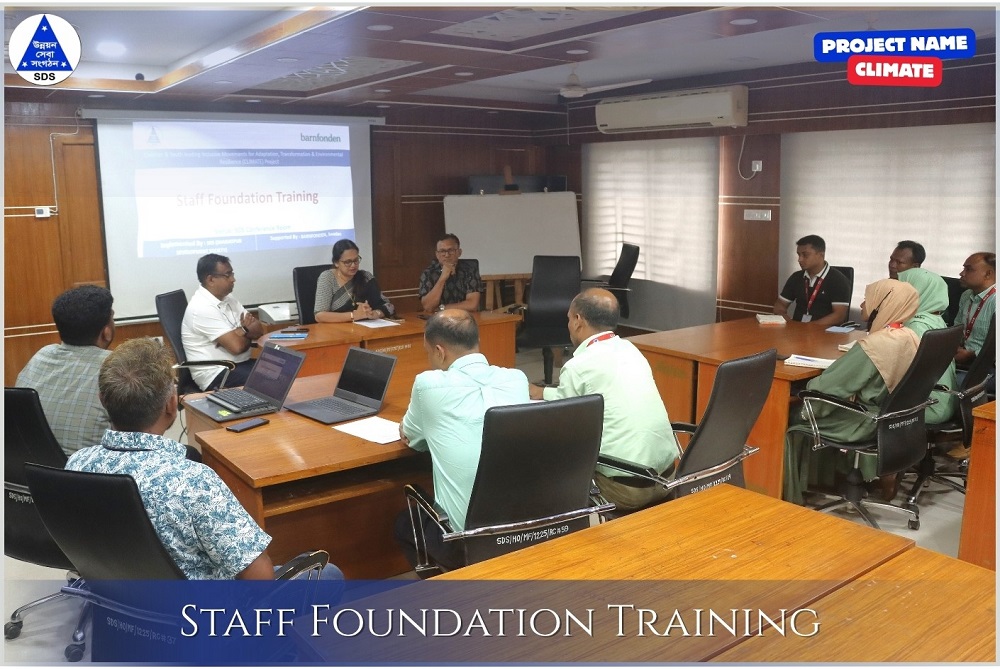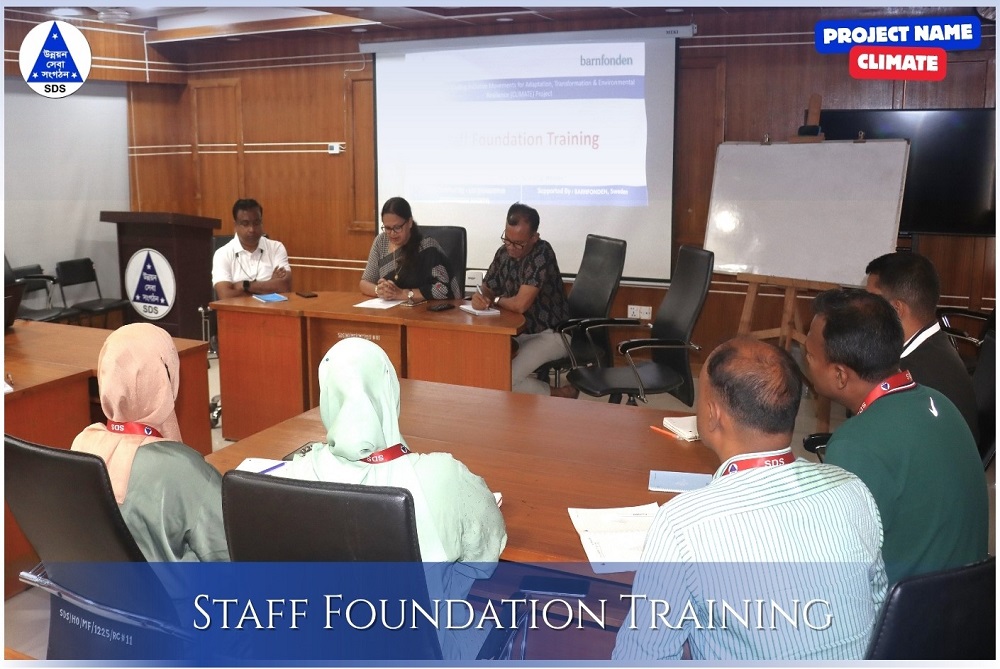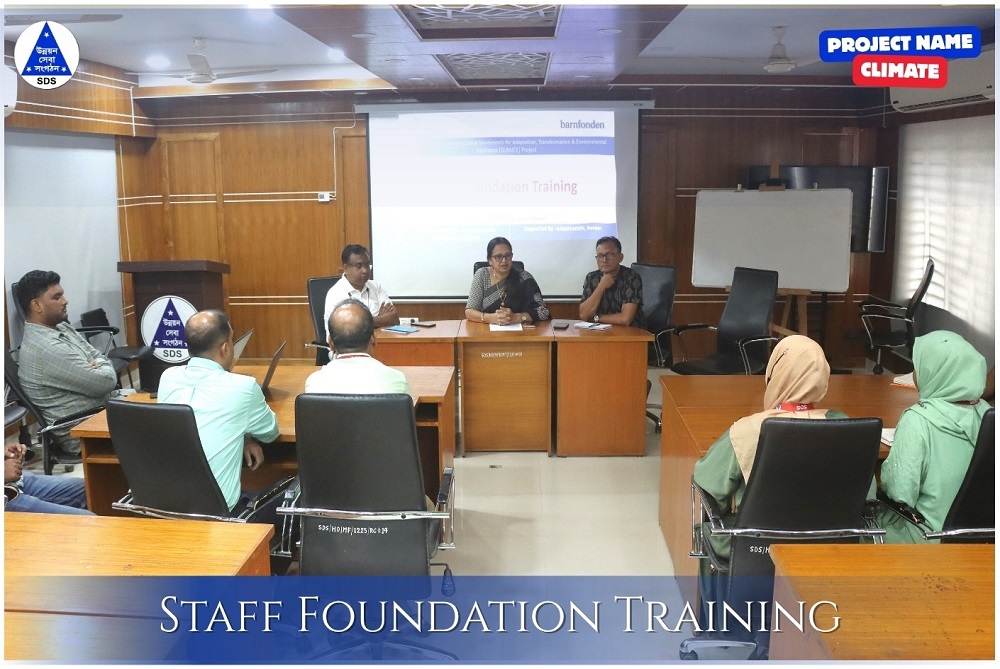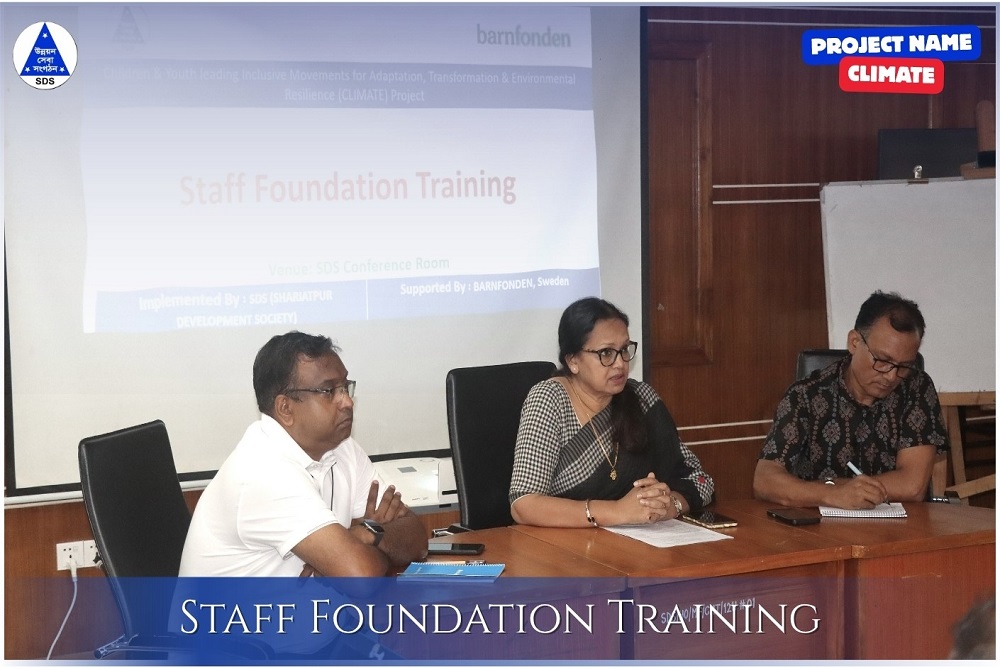
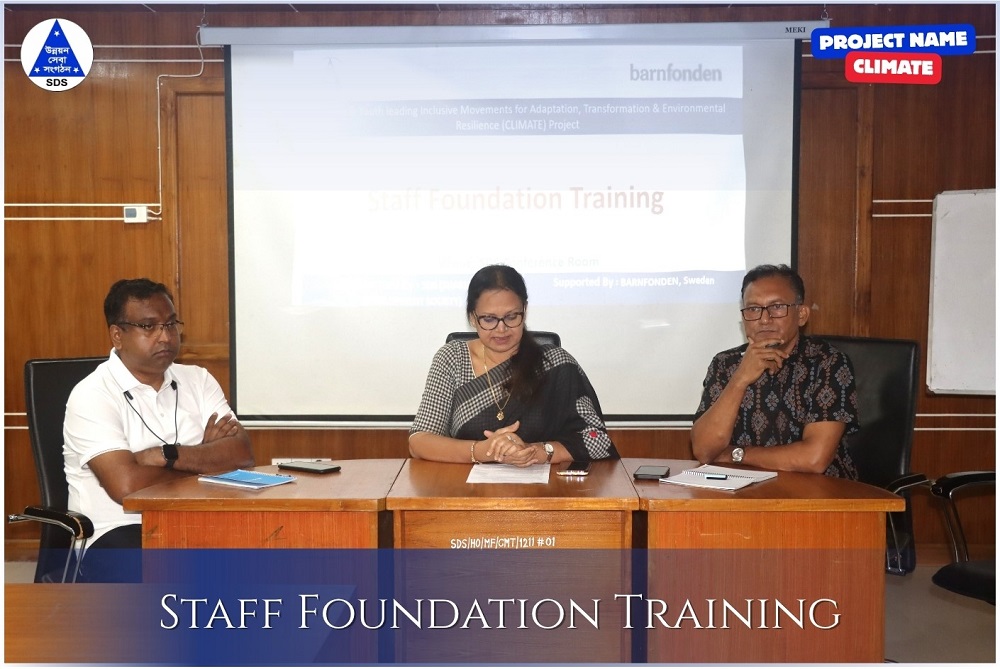
CLIMATE প্রকল্পের আওতায় কর্মকর্তাদের ফাউন্ডেশন প্রশিক্ষণ – Foundation Training for Project Officers under the CLIMATE Project
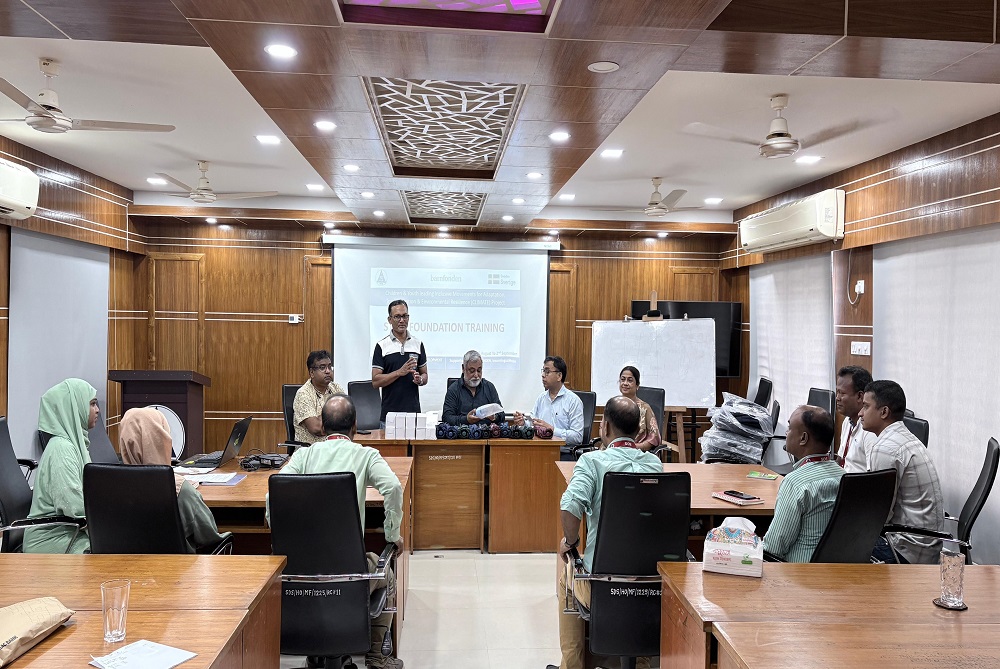
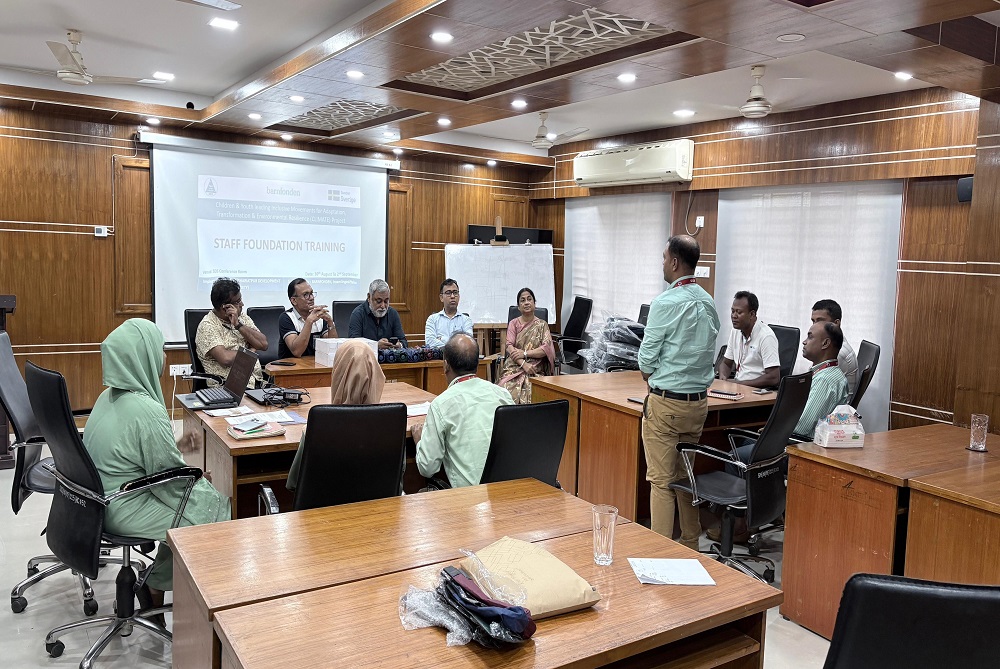
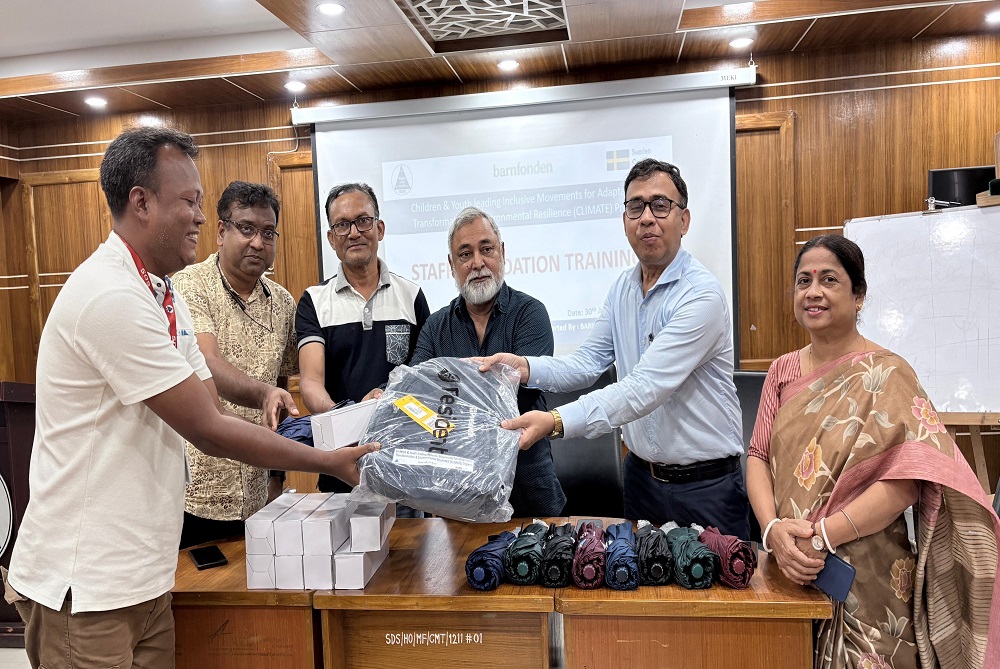
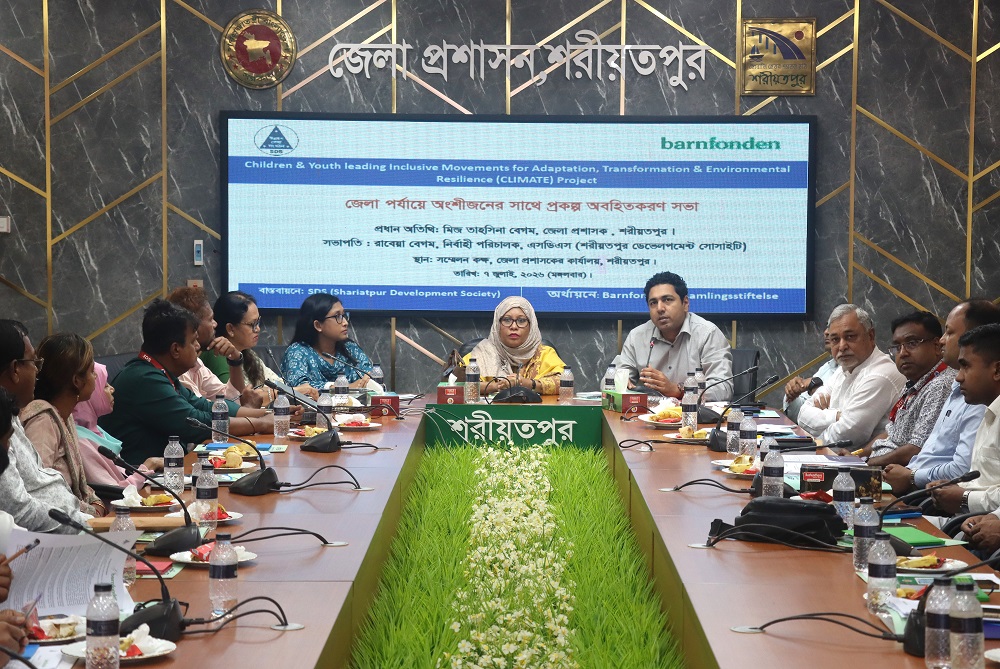
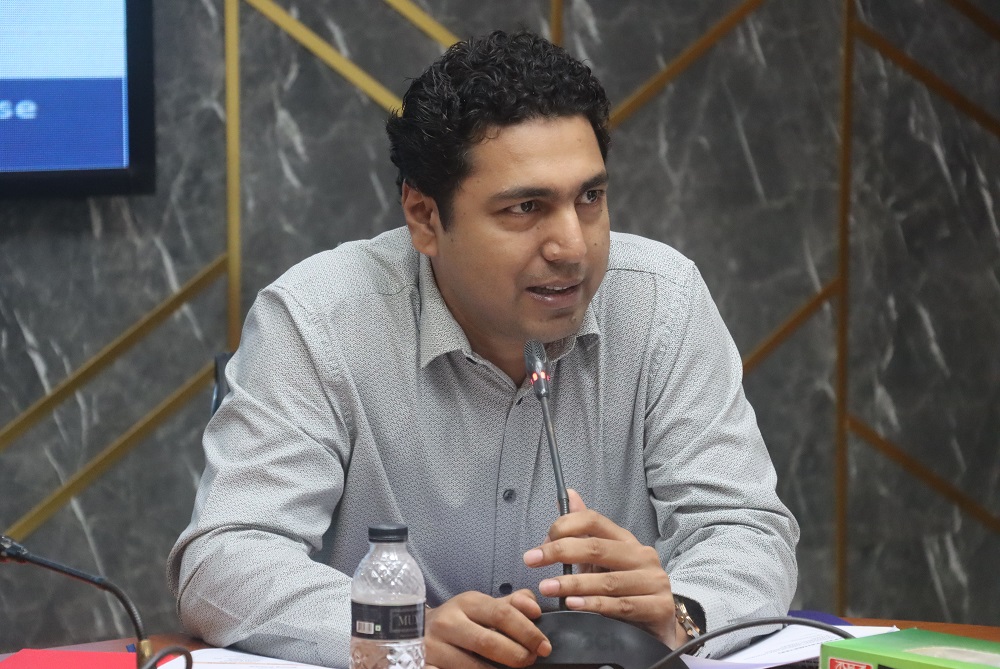
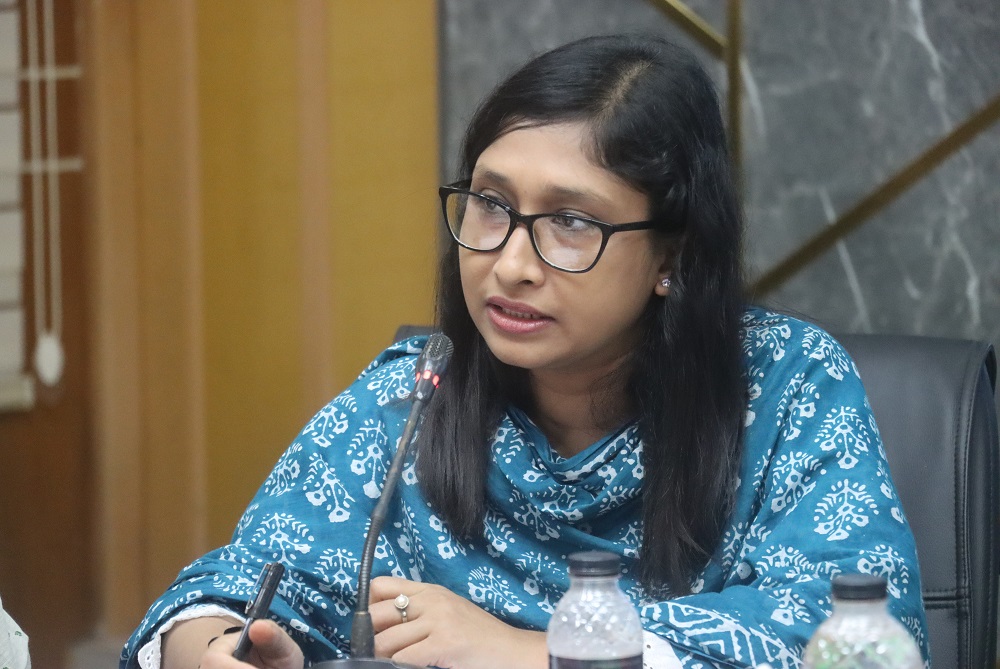
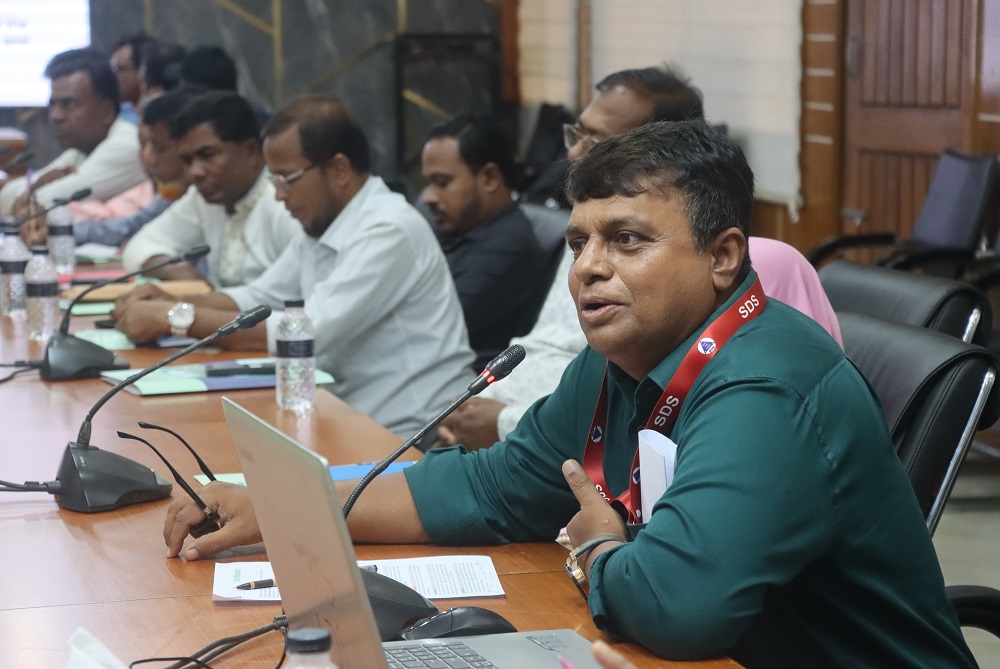
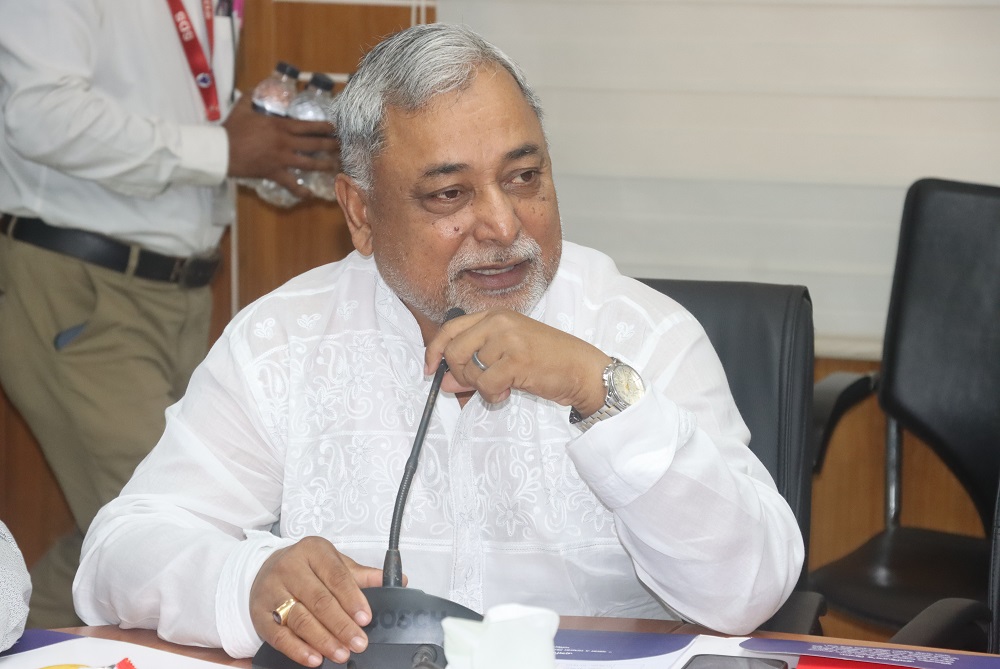
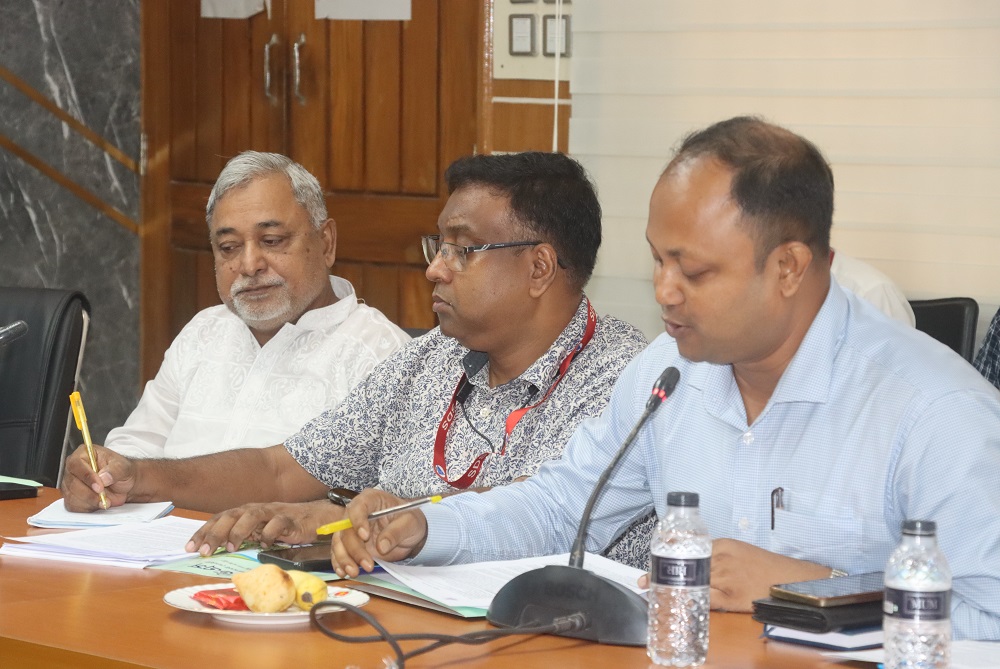
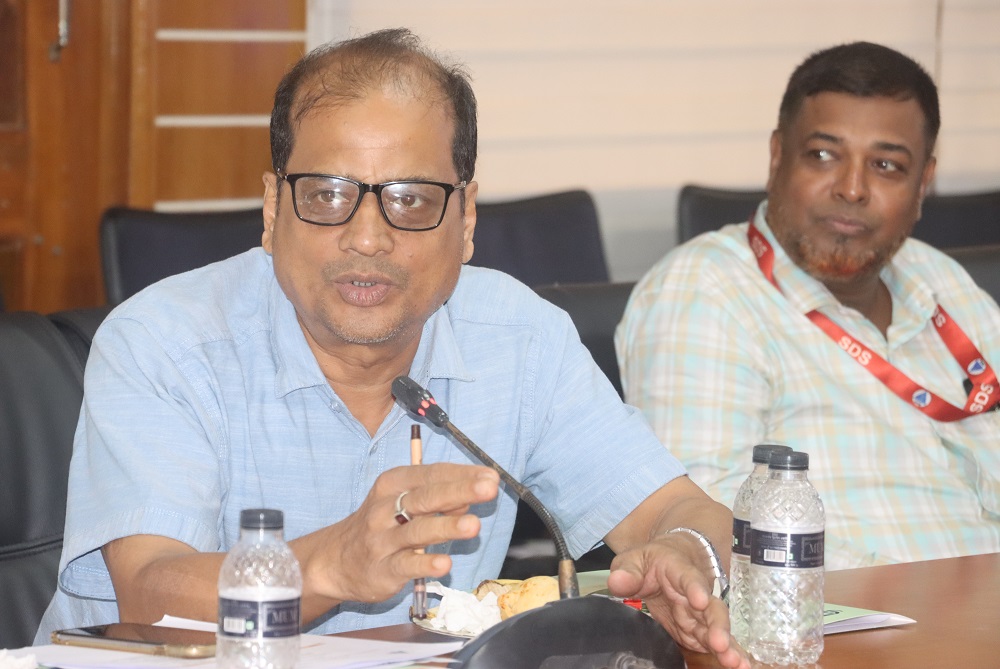
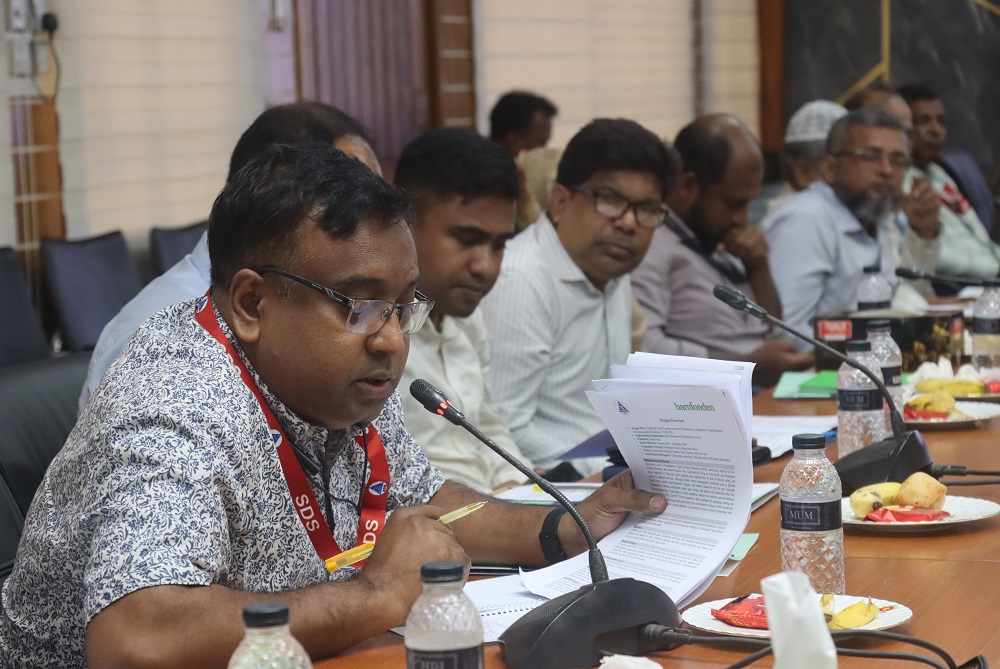
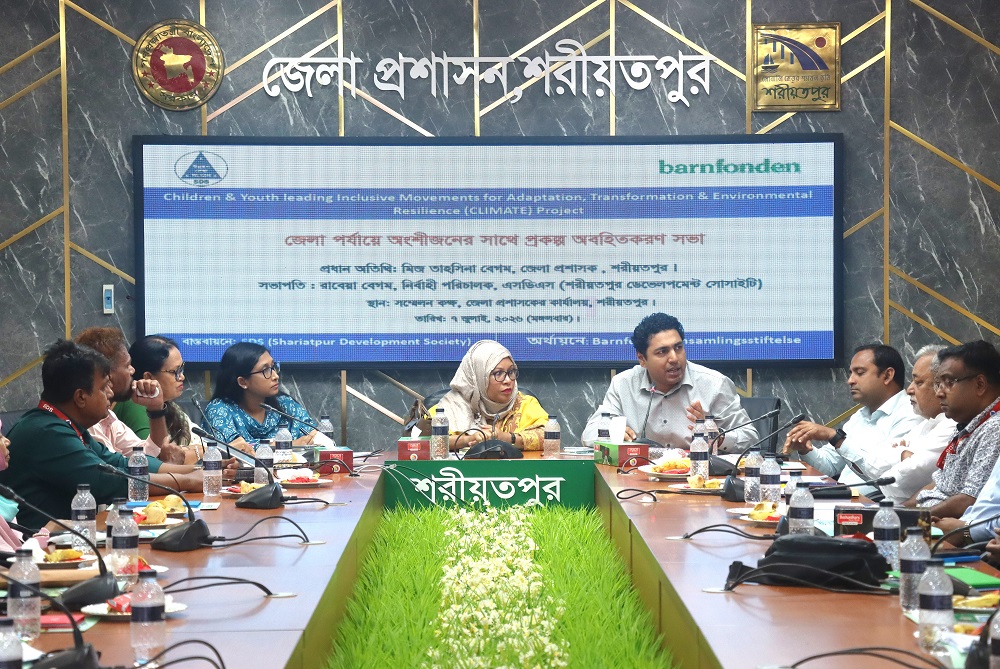
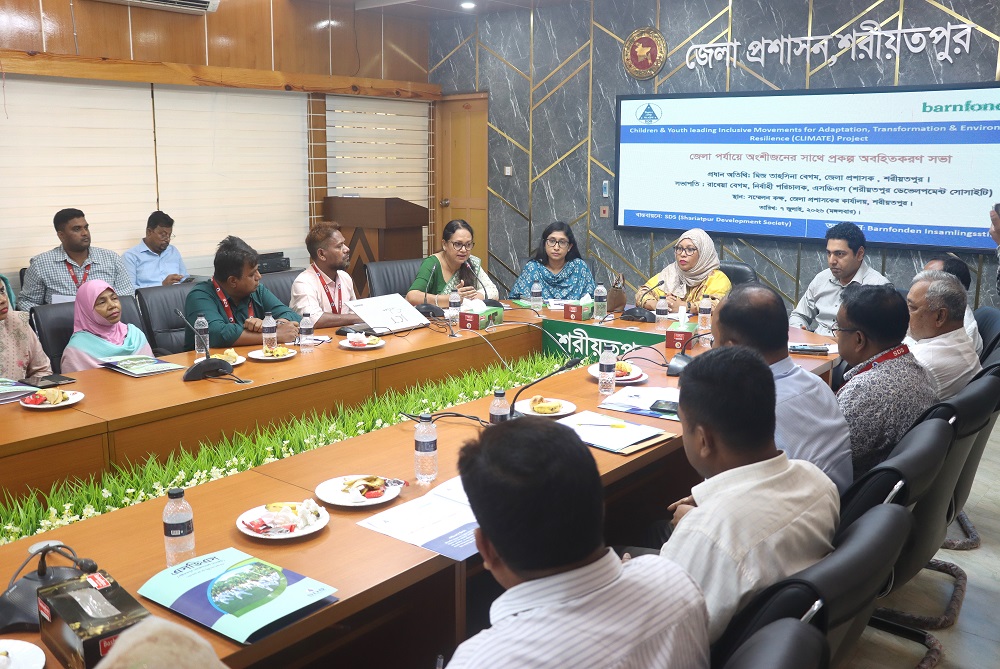
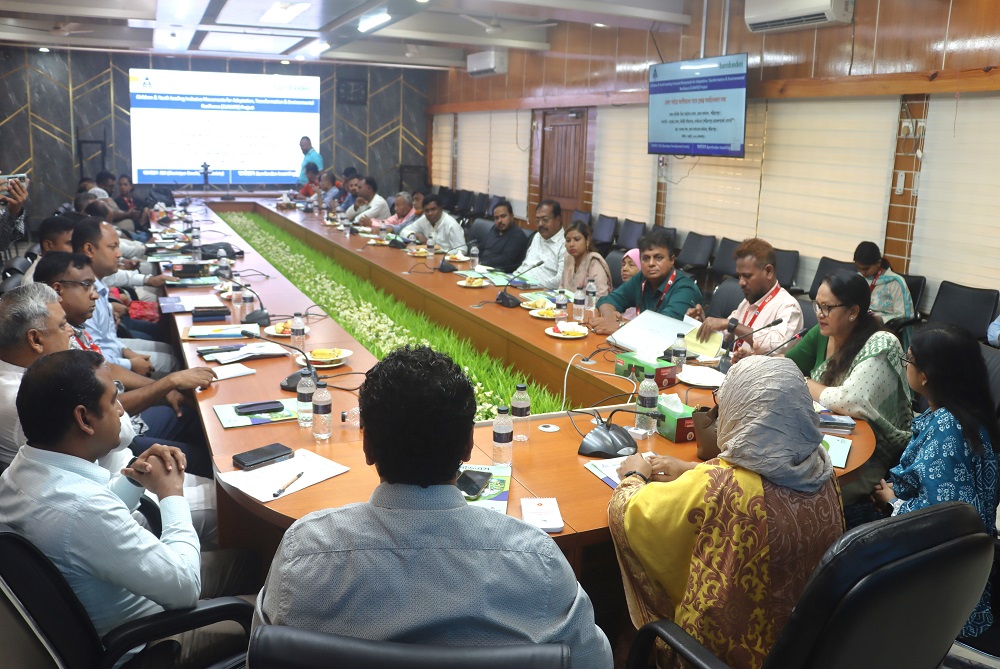
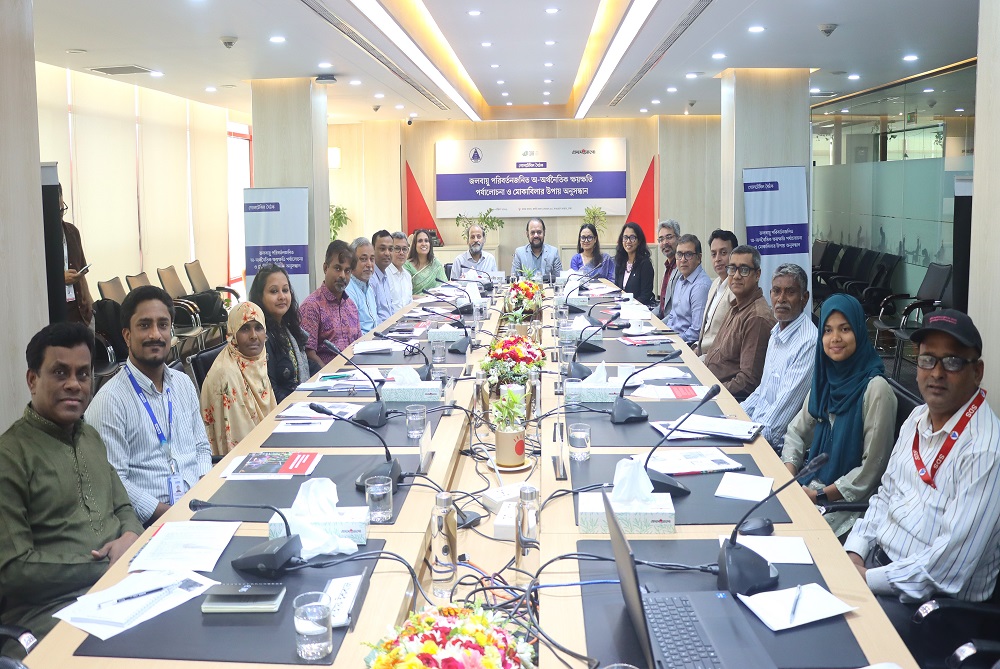
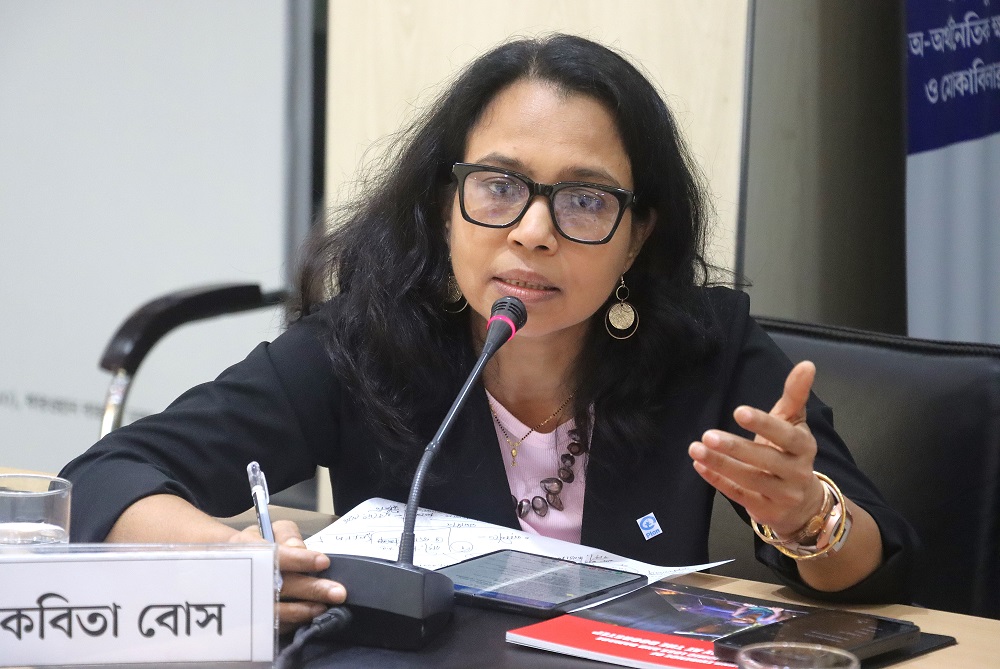
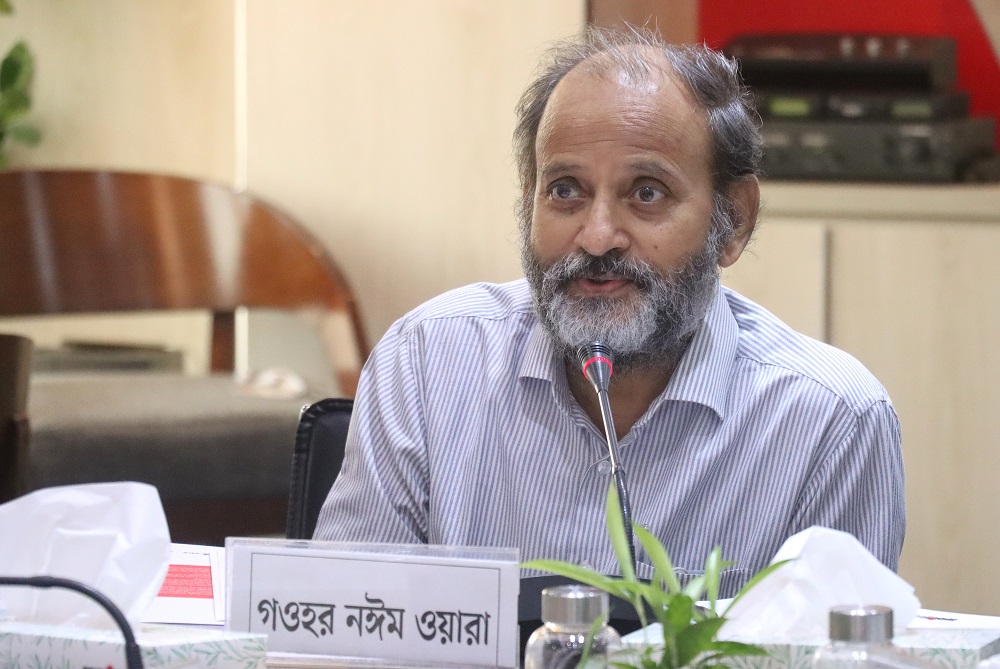
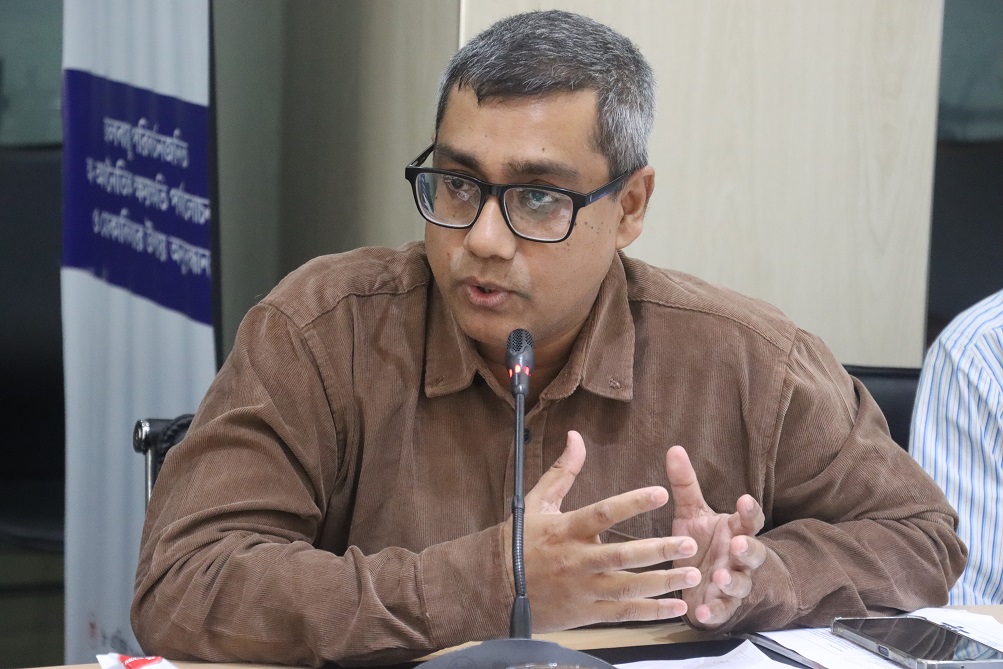
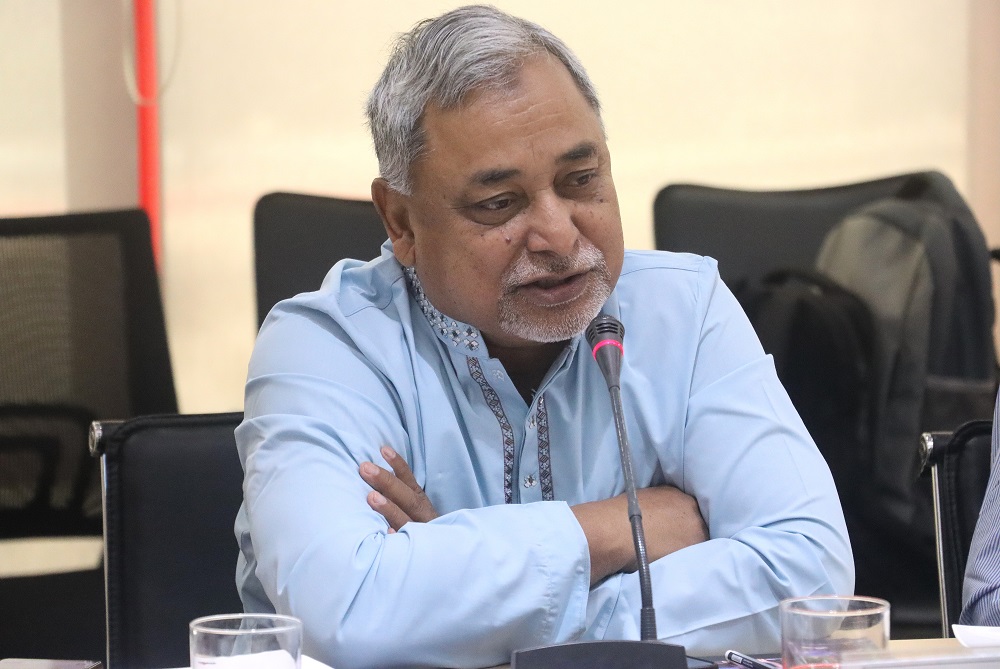
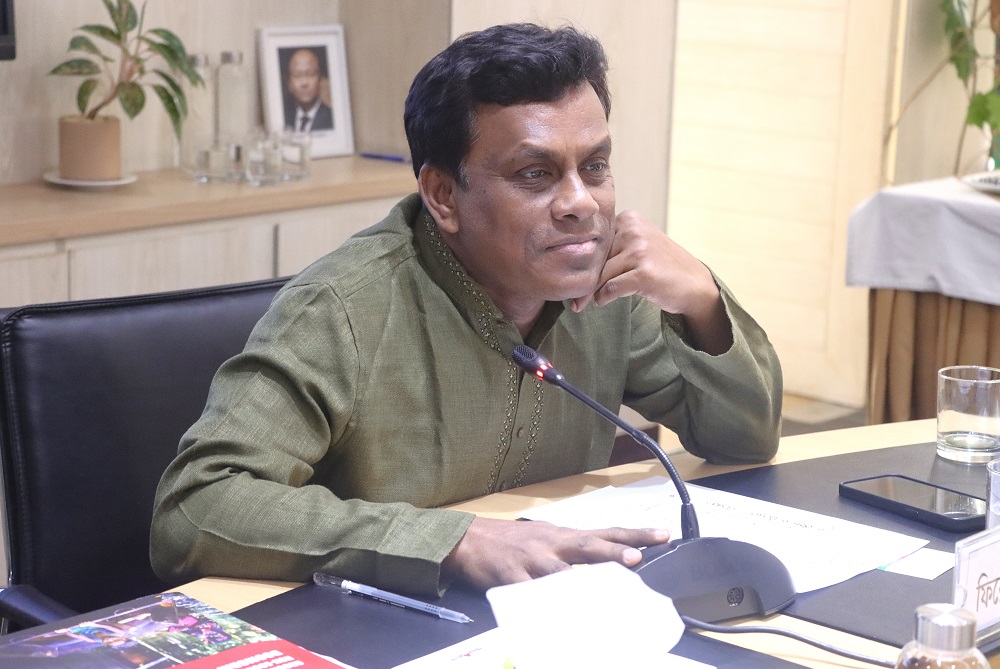
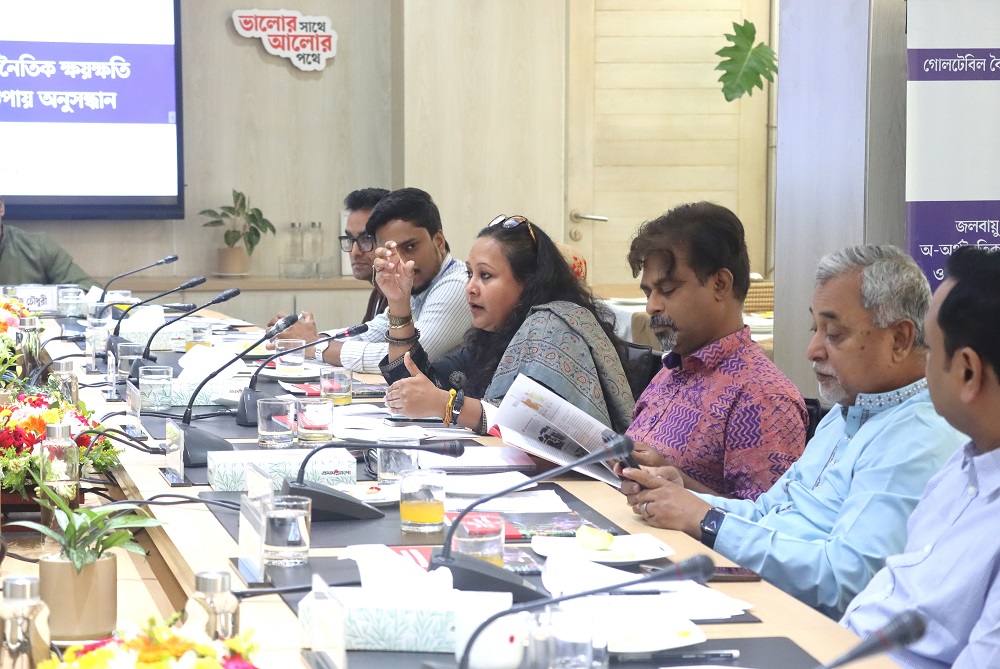
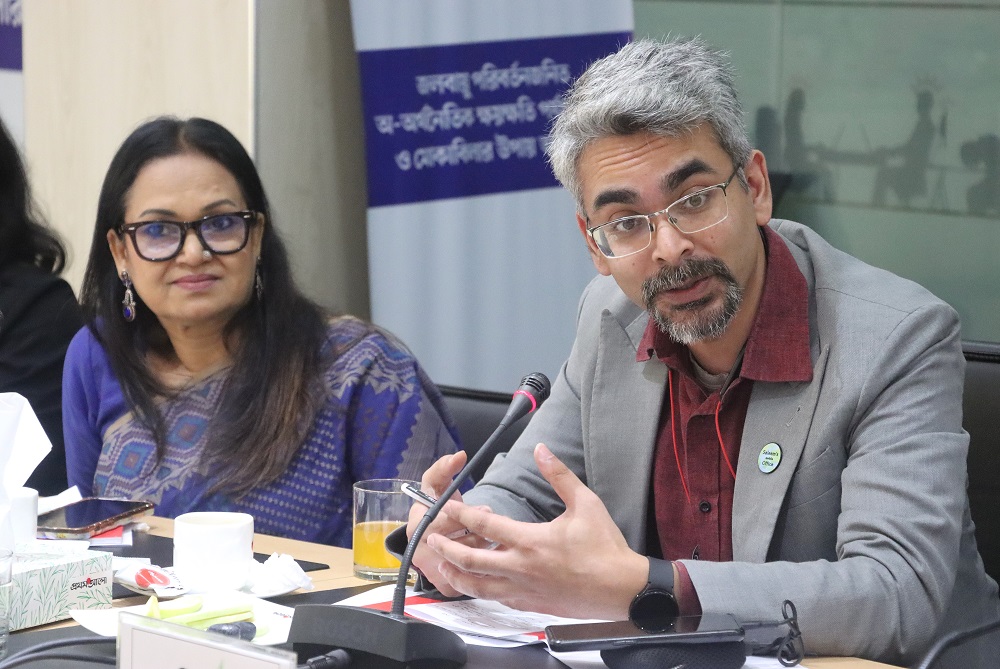
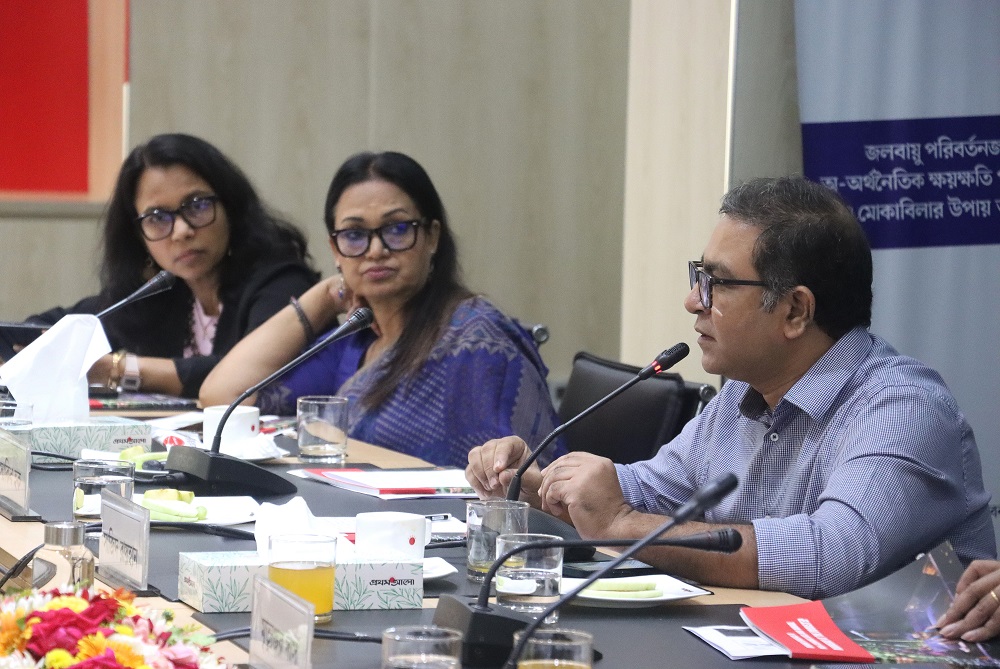
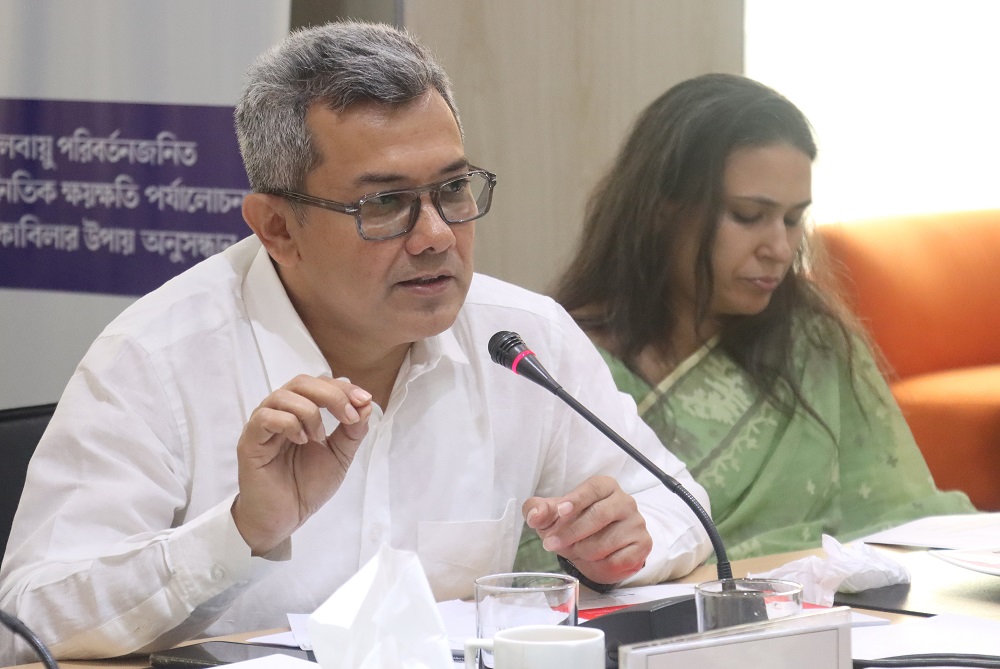
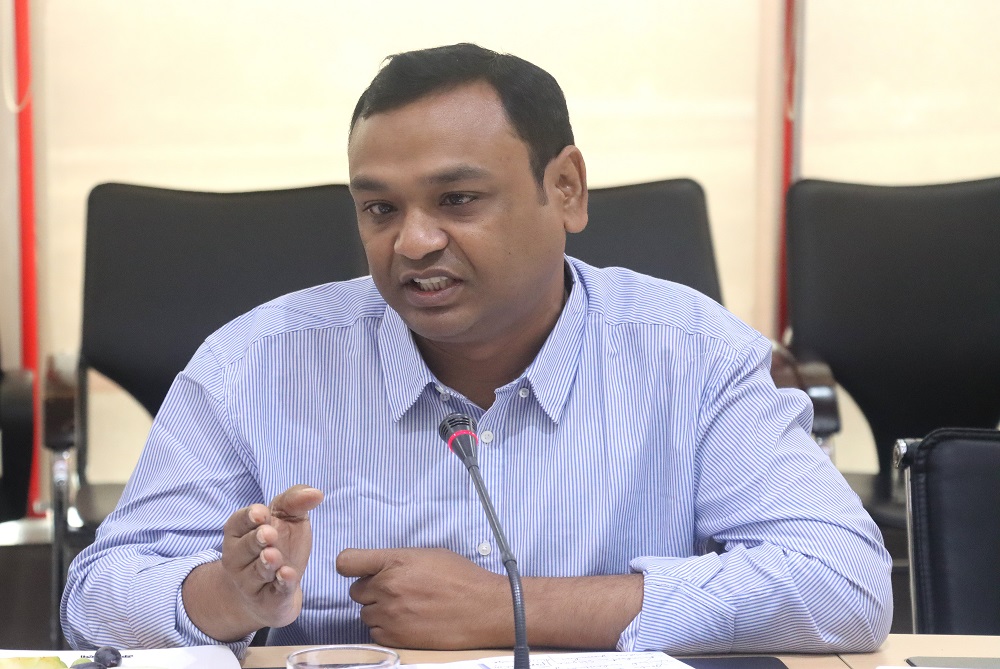
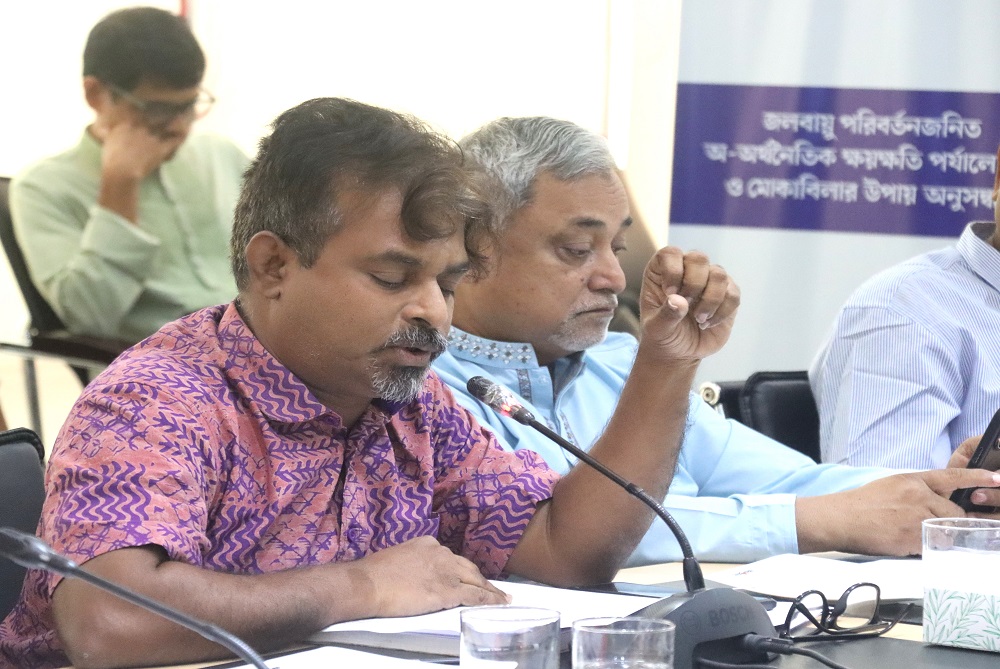
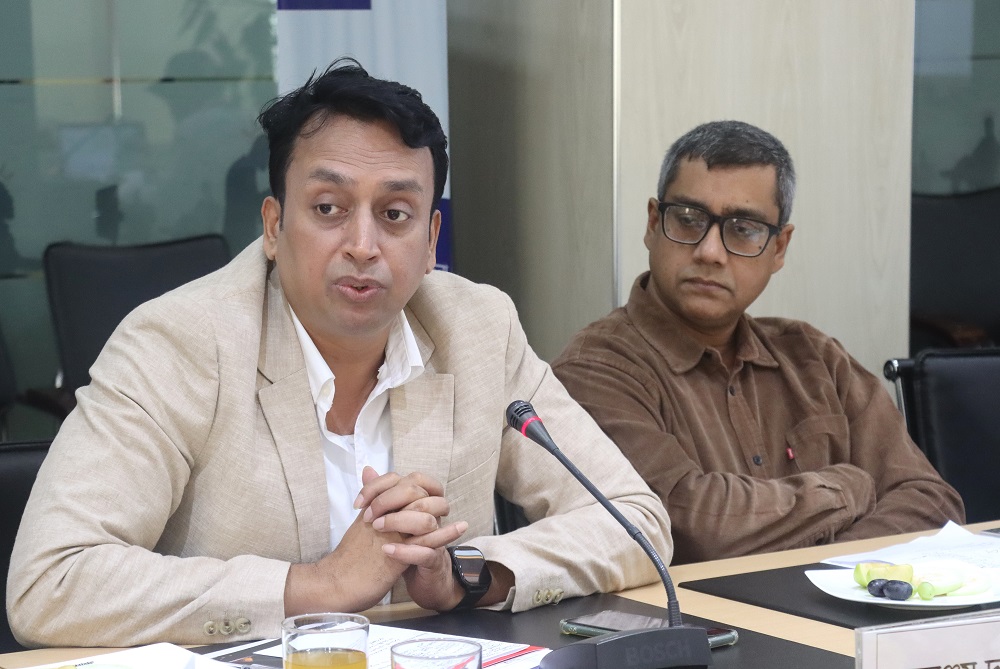
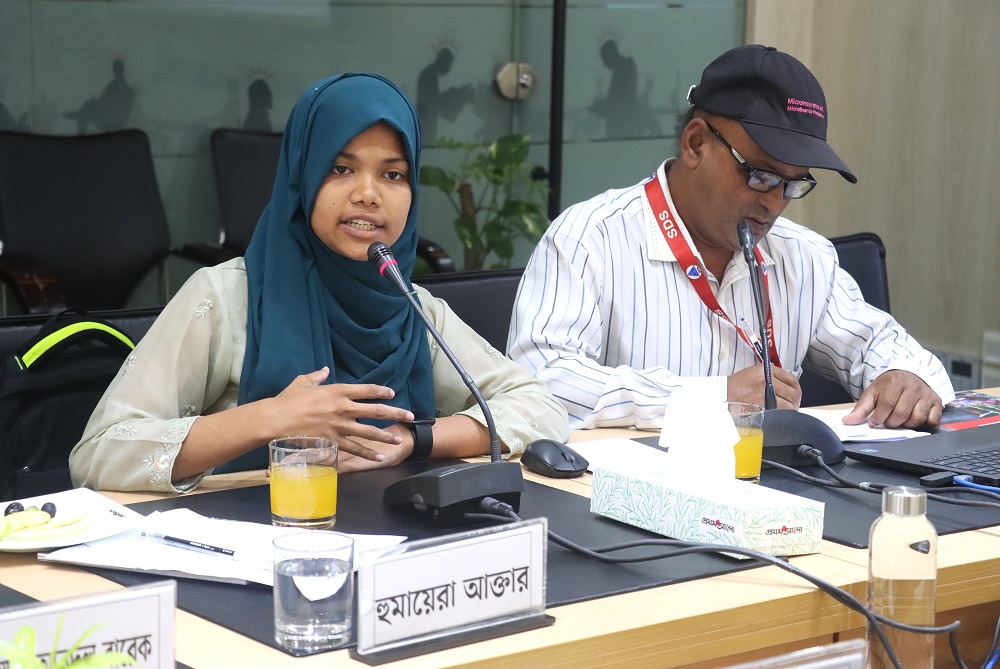
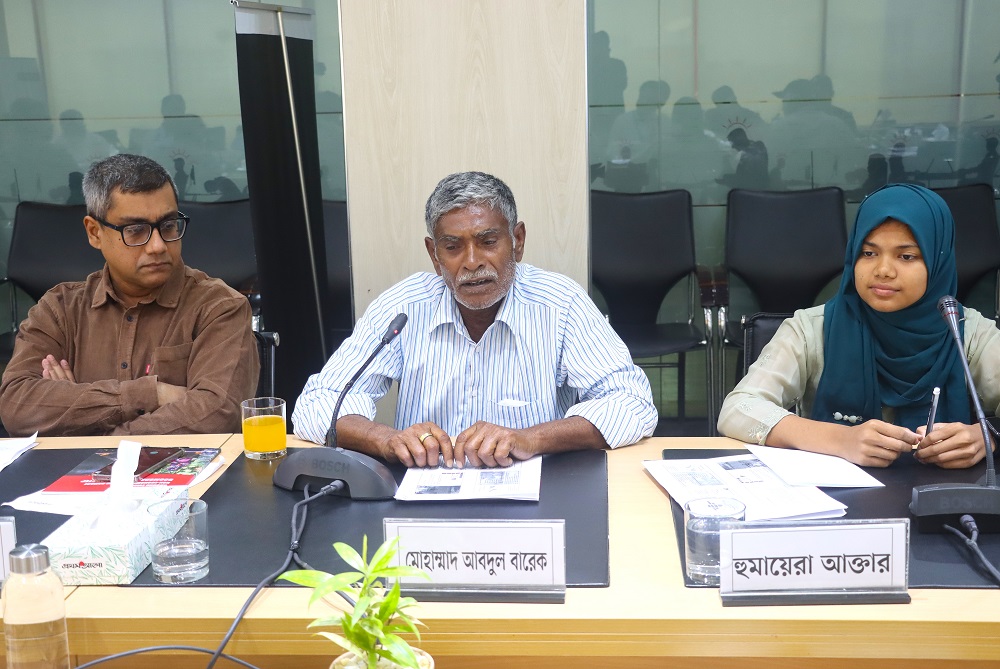
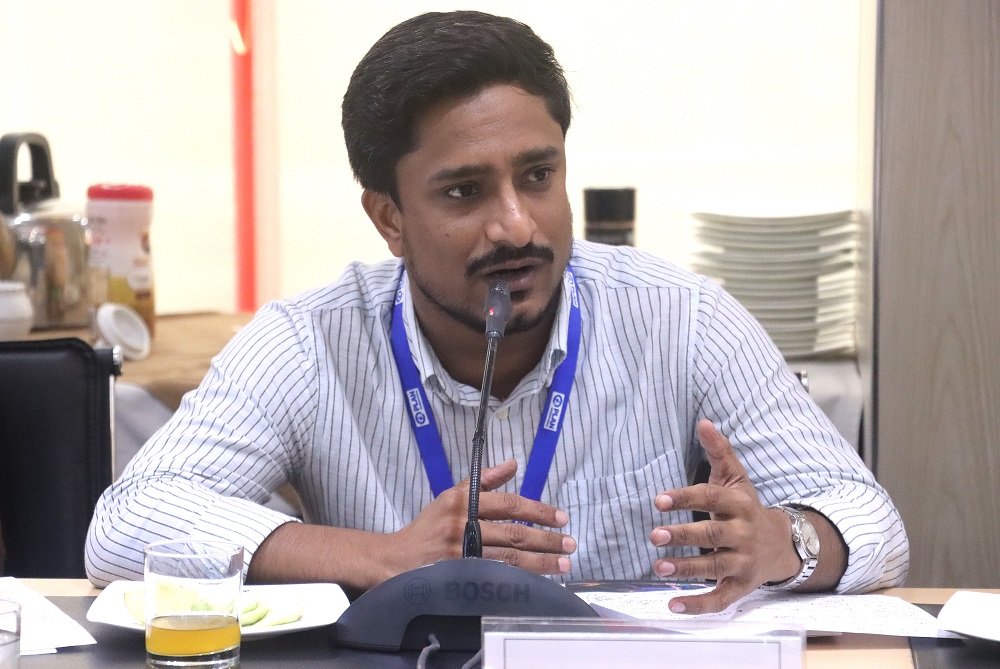
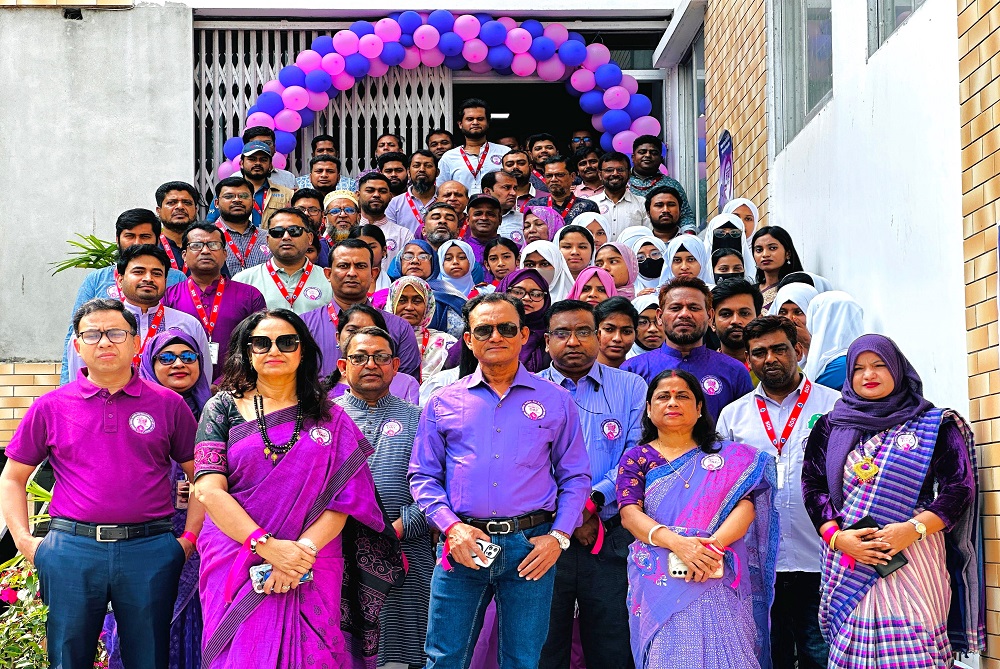
Children and Youth Leading Inclusive Movement for Adaptation, Transformation and Environmental Resilience (CLIMATE) প্রকল্পের আওতায় প্রকল্প কর্মকর্তাদের জন্য চার দিনব্যাপী ফাউন্ডেশন প্রশিক্ষণ সফলভাবে সম্পন্ন হয়েছে।
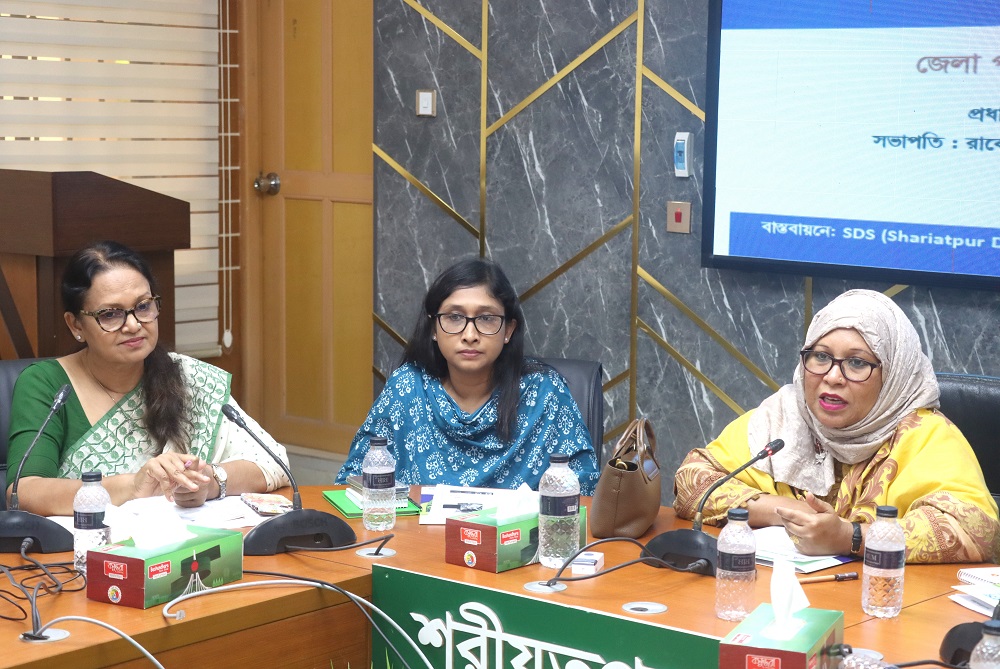
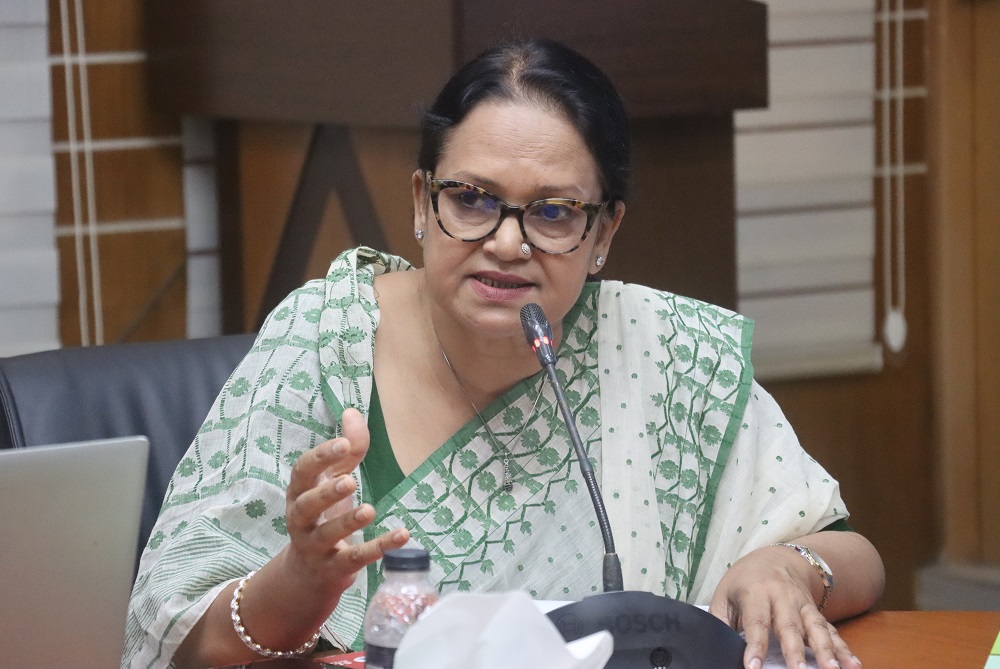
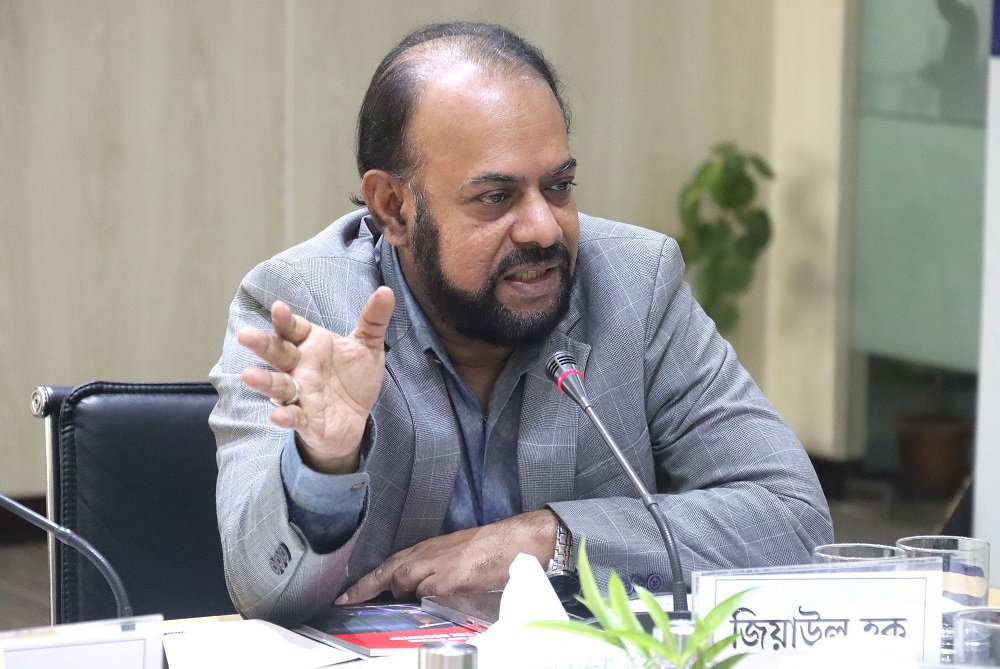
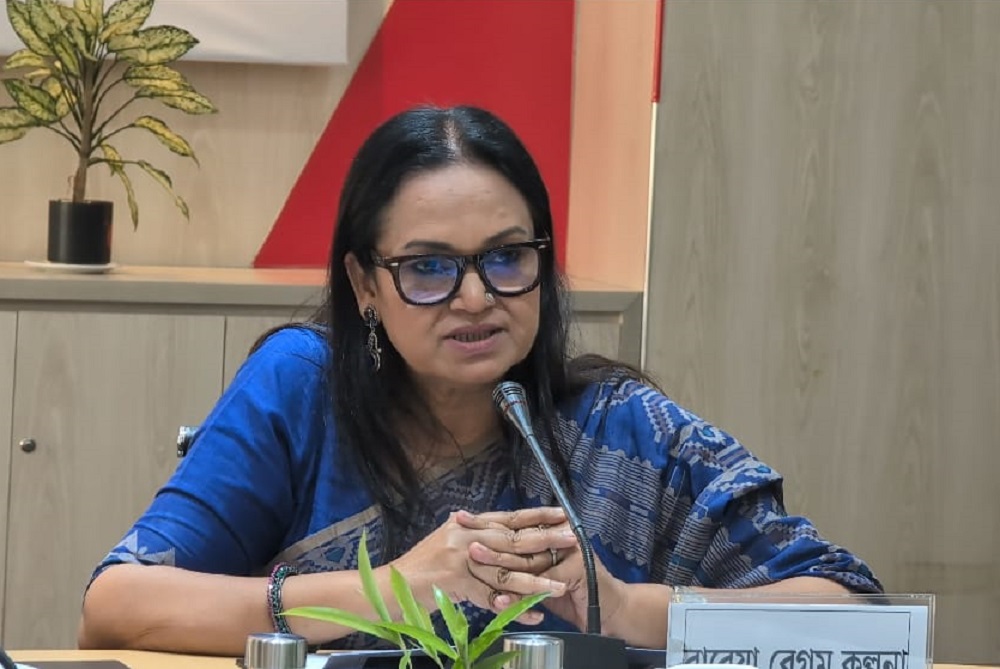
প্রশিক্ষণ কার্যক্রমের উদ্বোধন করেন এসডিএস-এর নির্বাহী পরিচালক জনাব রাবেয়া বেগম। উদ্বোধনী বক্তব্যে তিনি প্রকল্পের লক্ষ্য ও উদ্দেশ্য বাস্তবায়নে দক্ষতা, সমন্বয় এবং অংশগ্রহণমূলক কার্যক্রমের গুরুত্ব তুলে ধরেন।
উল্লেখ্য, CLIMATE প্রকল্পটি শরীয়তপুর জেলার নড়িয়া ও জাজিরা উপজেলার নদীভাঙন ও বন্যাপ্রবণ চরাঞ্চলে শিশু ও তরুণদের নেতৃত্ব ও অংশগ্রহণের মাধ্যমে জলবায়ু সহনশীল ও দুর্যোগ মোকাবিলায় সক্ষম কমিউনিটি গড়ে তোলার লক্ষ্যে কাজ করছে।
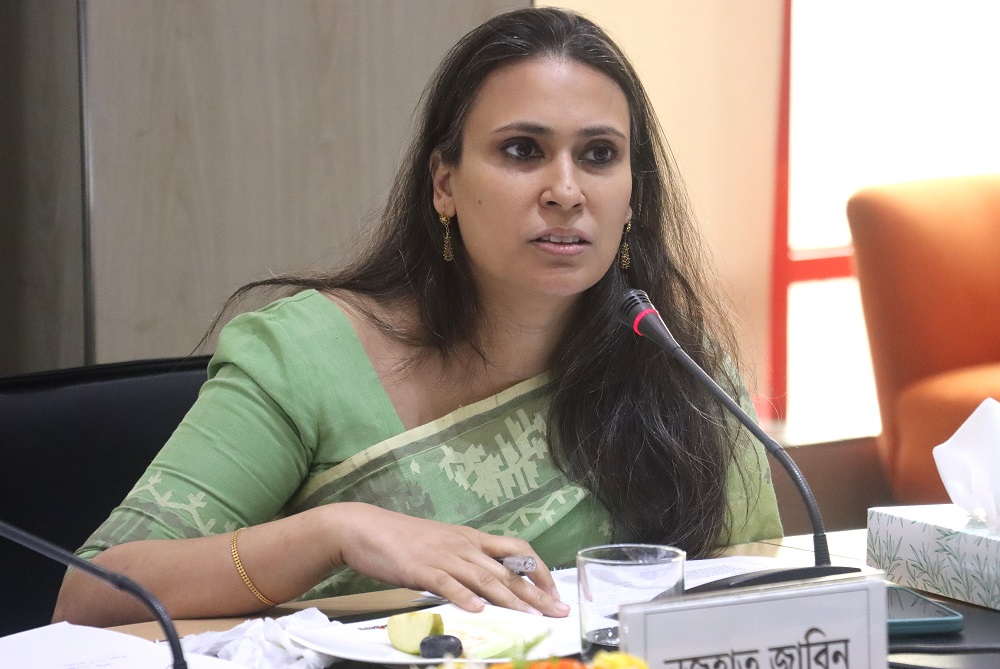
চার দিনব্যাপী এই প্রশিক্ষণে অংশগ্রহণকারীরা নেতৃত্ব বিকাশ, পরিবেশ ও জলবায়ু পরিবর্তন, আগাম সতর্কীকরণ ও পূর্ব-প্রস্তুতিমূলক কার্যক্রম (Anticipatory Action), দুর্যোগ ঝুঁকি ব্যবস্থাপনা এবং কমিউনিটি এনগেজমেন্টসহ বিভিন্ন গুরুত্বপূর্ণ বিষয়ে অংশগ্রহণমূলক ও ব্যবহারিক শিক্ষার সুযোগ পান।
পাশাপাশি, প্রকল্পের কার্যকর বাস্তবায়ন কৌশল, অংশগ্রহণমূলক পরিকল্পনা প্রণয়ন এবং সেফগার্ডিং অগ্রাধিকারসমূহ নিয়েও বিশেষ গুরুত্বসহকারে আলোচনা করা হয়।
প্রকল্পটির সফল বাস্তবায়নে সার্বিক ও নিরবচ্ছিন্ন সহযোগিতা প্রদানের জন্য barnfonden Insamlingsstiftelse (সুইডেন)-এর প্রতি এসডিএস আন্তরিক কৃতজ্ঞতা ও ধন্যবাদ জ্ঞাপন করছে।
Under the Children and Youth Leading Inclusive Movement for Adaptation, Transformation and Environmental Resilience (CLIMATE) project, a four-day Foundation Training for project officials was successfully completed.
The training programme was inaugurated by Ms. Rabeya Begum, Executive Director of SDS. In her inaugural remarks, she highlighted the importance of skills, coordination, and participatory approaches in achieving the goals and objectives of the project.
It is noteworthy that the CLIMATE project is working to build climate-resilient and disaster-prepared communities through the leadership and active participation of children and young people in the river erosion- and flood-prone char areas of Naria and Jajira Upazilas in Shariatpur District.
During the four-day training, participants had the opportunity to engage in participatory and practical learning on several key topics, including leadership development, environment and climate change, early warning and preparedness, Anticipatory Action, disaster risk management, and community engagement.
Special emphasis was also placed on effective project implementation strategies, participatory planning, and key safeguarding priorities.
SDS extends its sincere gratitude and appreciation to Barnfonden Insamlingsstiftelse (Sweden) for its continuous support and cooperation in the successful implementation of the CLIMATE project.